

Barbecue has a way of humbling even the most confident cook. What looks effortless in the hands of a pitmaster—meat that’s smoky, tender, and perfectly glazed—can turn into burnt, dry, or bland disappointment in a backyard setting. The truth is, the difference between amateur mistakes and professional results often comes down to the small things: how you manage heat, when you flip, when you sauce, and even the way you light the fire. Learn to avoid these common pitfalls, and your next cookout could taste like it came straight from a pro’s smoker.
Using the Wrong Type of Grill
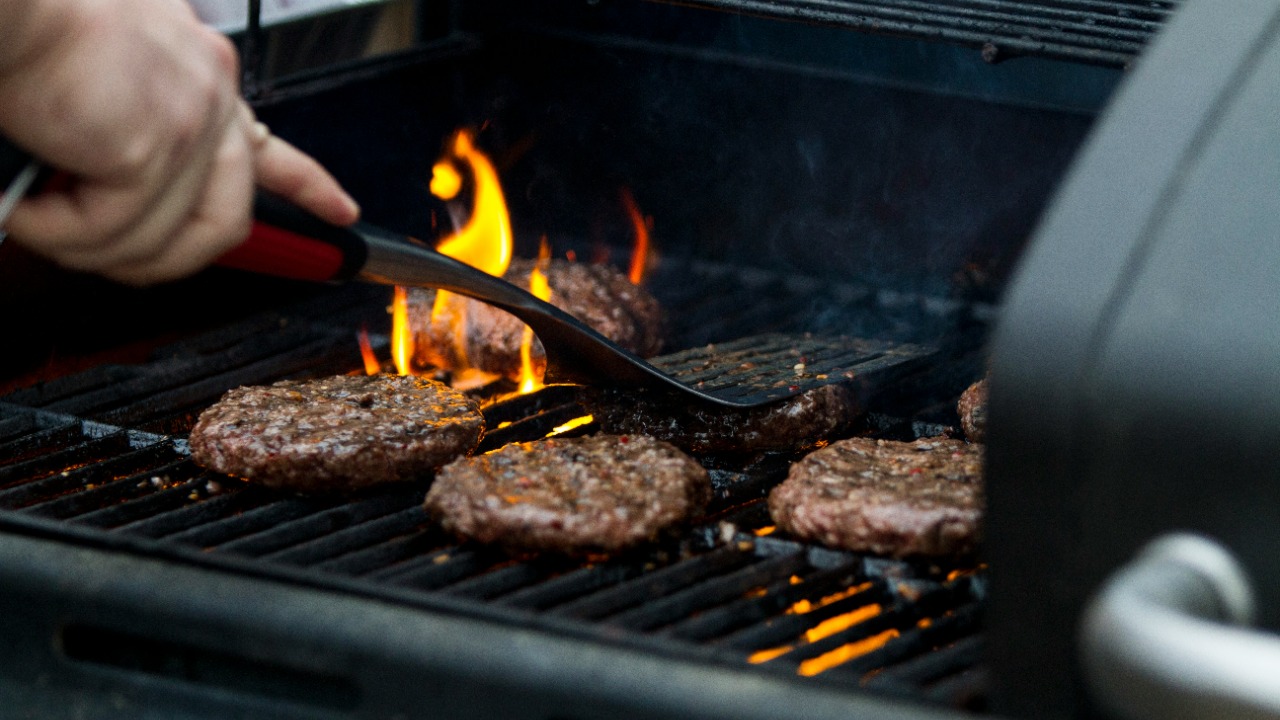
The choice between charcoal, gas, and electric grills can be a daunting one. Each type offers a distinct flavor profile; charcoal grills impart a smoky flavor, while gas grills provide a cleaner taste. Electric grills can be a convenient option for city dwellers, but they may not offer the same depth of flavor. Therefore, understanding the influence of the grill type on the taste of your BBQ is crucial.
Choosing the right grill also depends on your lifestyle. If you often host large BBQ parties, a large gas or charcoal grill would be ideal. For smaller, more intimate gatherings or for people with limited outdoor space, an electric grill would be more suitable. The key is to choose a grill that suits your needs and enhances the flavor of your BBQ.
Ignoring the Importance of Temperature Control
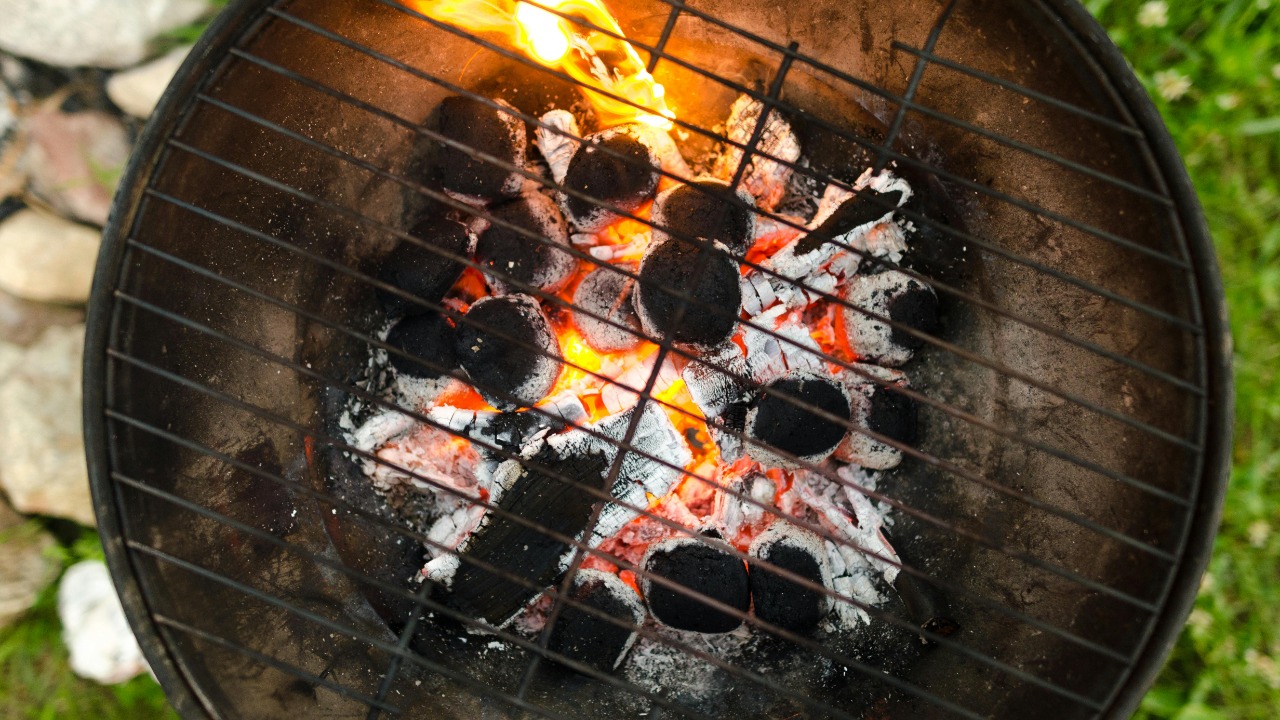
Temperature control is the heart and soul of grilling. Maintaining a consistent temperature is critical to achieving perfectly cooked meat. Too high and the meat will burn on the outside while staying raw on the inside. Too low and the meat will dry out before it’s fully cooked.
One way to manage temperature effectively is by creating a two-zone fire. This involves setting up one side of the grill for direct heat and the other side for indirect heat. This allows you to move the meat between the two zones as needed to control the cooking temperature.
Neglecting Grill Maintenance
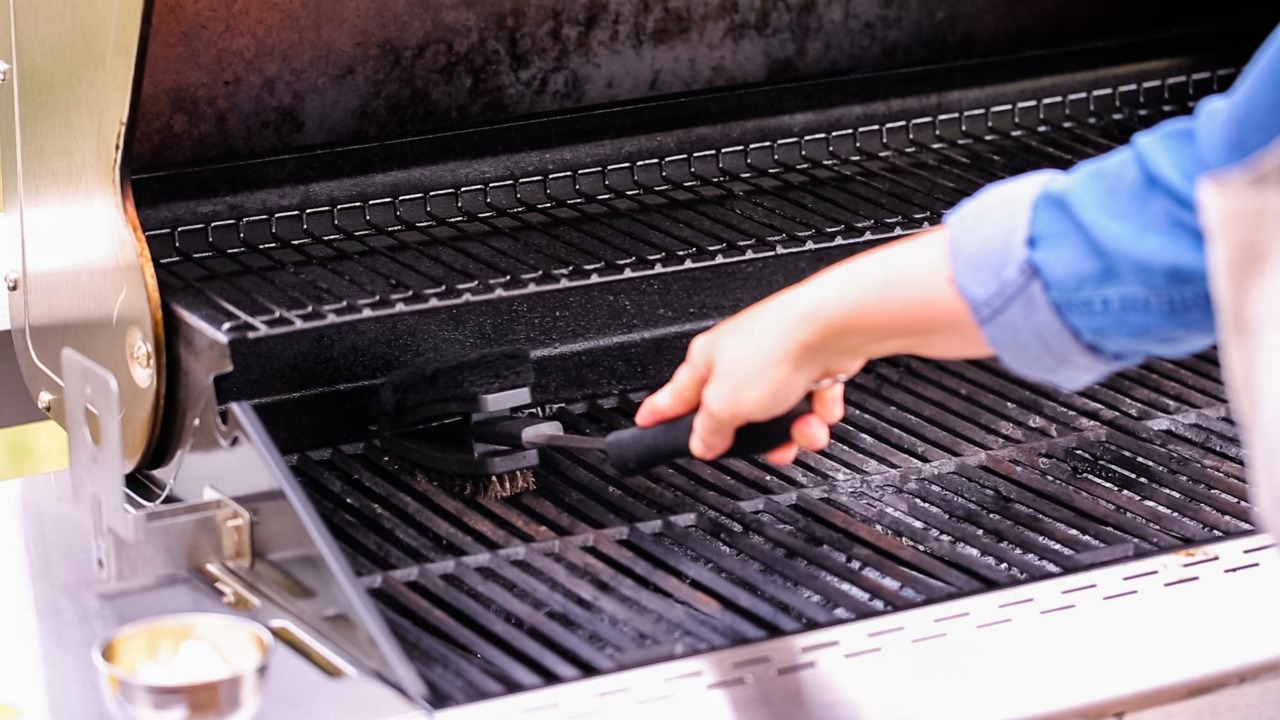
Regular grill maintenance is not just about aesthetics; it’s also about food safety and flavor. Residue on the grill grates can cause flare-ups, leading to burnt food. It can also harbor bacteria, posing a risk to food safety.
So, how often should you clean your grill? This depends on how frequently you use it. If you’re a regular griller, you should clean the grates after every use. You should also deep-clean your grill at least once a year to remove accumulated grease and food particles. This will ensure that your BBQ is safe and flavorful.
Using Lighter Fluid to Start the Grill

Lighter fluid may seem like a quick and easy way to get your charcoal grill going, but it’s not recommended by BBQ pros. The chemicals in lighter fluid can impart an unpleasant flavor to your food. Plus, it’s not the most environmentally friendly option.
Alternatives to lighter fluid include chimney starters and electric charcoal starters. Chimney starters are a favorite among BBQ pros because they heat charcoal evenly and quickly without the need for chemicals. Electric charcoal starters are also a good option, especially for those who prefer not to deal with matches or lighters.
Overcrowding the Grill
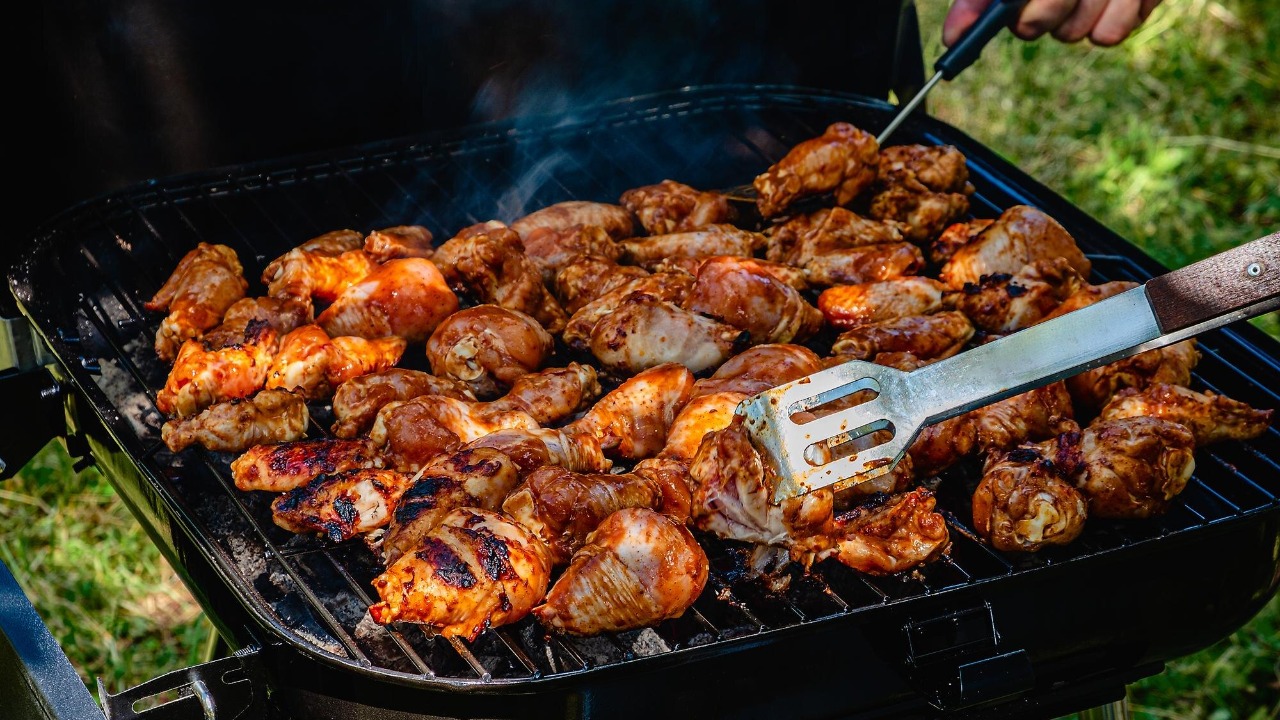
When it comes to grilling, more is not always better. Overcrowding the grill with too much food at once can lead to uneven cooking. It can also cause flare-ups if fat and juices drip onto the hot coals.
Instead, try grilling in batches. This allows you to focus on cooking each piece of meat to perfection. It also gives you more control over the cooking process, reducing the risk of burning your food.
Flipping the Meat Too Often
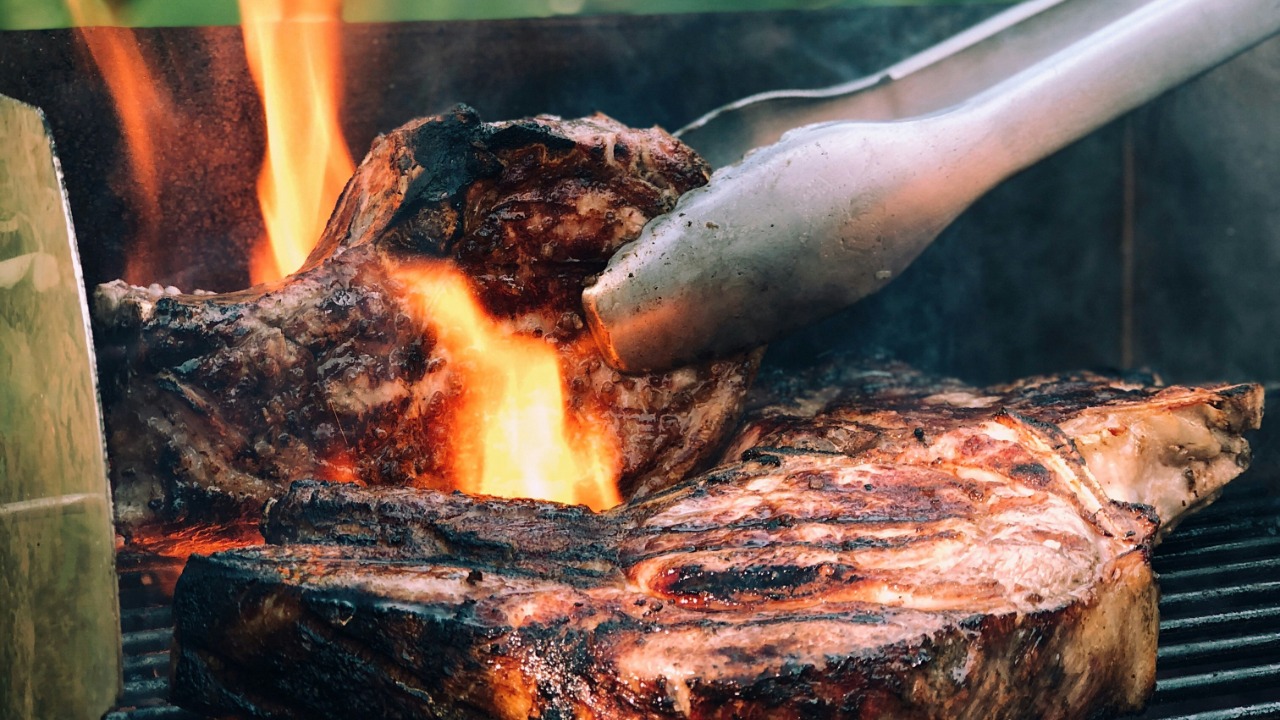
Patience is key when grilling meat. Flipping the meat too often can cause it to lose its juices, resulting in dry and tough BBQ. Most meats should be flipped just once during the grilling process.
Wait until the meat releases easily from the grill grates before flipping. This usually happens when the meat is properly seared and has developed a nice crust. If the meat sticks to the grates, it’s probably not ready to be flipped yet.
Applying BBQ Sauce Too Early
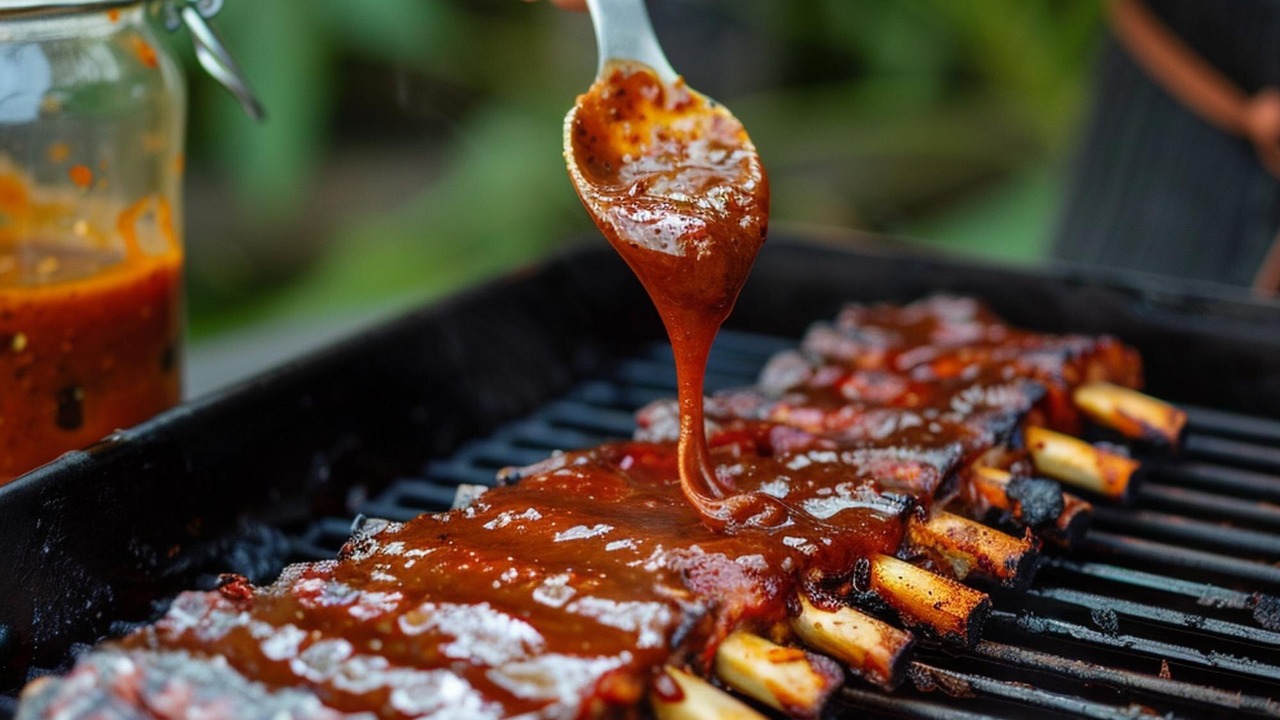
While it may be tempting to slather your meat with BBQ sauce as soon as it hits the grill, this is a common mistake. Most BBQ sauces contain sugar, which can burn quickly under high heat and create a bitter taste.
The right time to apply BBQ sauce is during the last 10 to 15 minutes of cooking. This allows the sauce to caramelize without burning, creating a delicious glaze on the meat. Remember, timing is everything when it comes to applying BBQ sauce.
Not Using a Meat Thermometer
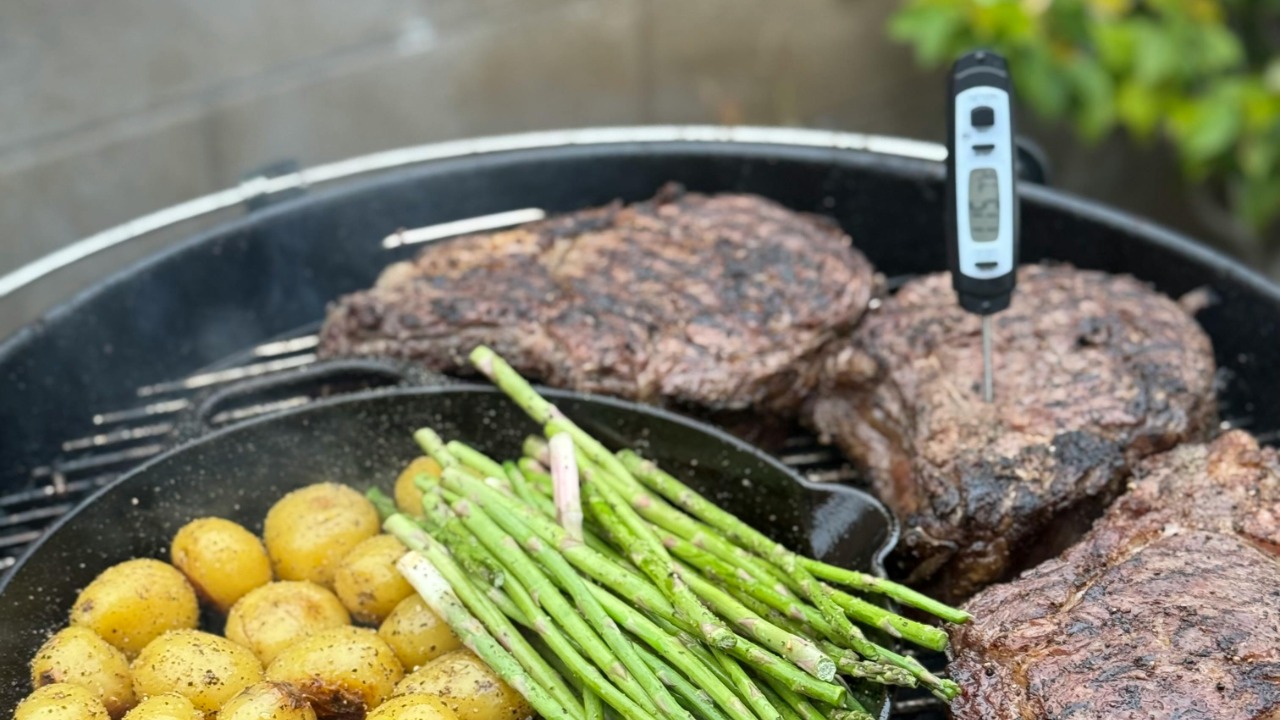
A meat thermometer is a must-have tool for any BBQ enthusiast. It takes the guesswork out of grilling, ensuring that your meat is cooked to the perfect temperature every time.
To use a meat thermometer correctly, insert it into the thickest part of the meat without touching the bone. The USDA recommends a minimum internal temperature of 145°F for whole cuts of meat and 165°F for poultry. However, for fall-off-the-bone BBQ, you may want to aim for a higher internal temperature.
Ignoring the Resting Period for Meat
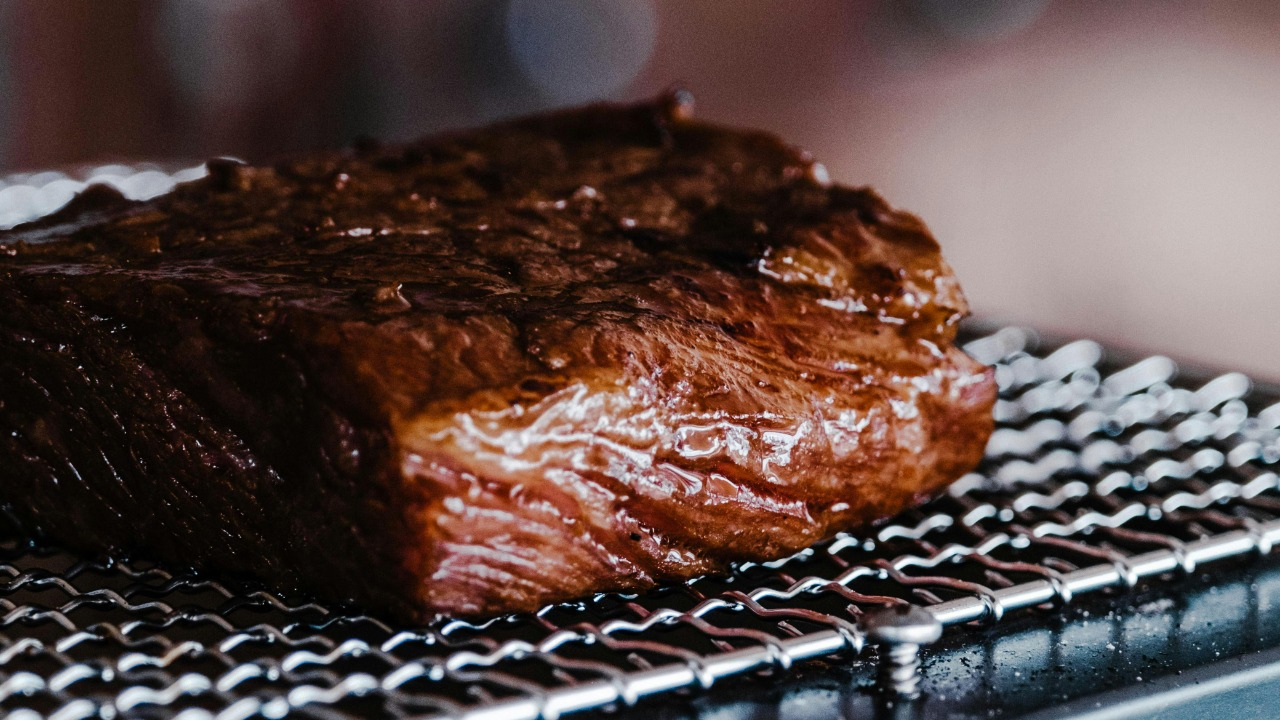
After pulling your perfectly grilled meat off the grill, resist the temptation to cut into it right away. Letting the meat rest for a few minutes allows the juices to redistribute throughout the meat, resulting in a juicier and more flavorful BBQ.
The resting period depends on the size of the meat. For small cuts like steaks and chops, a resting period of 5 to 10 minutes is sufficient. For larger cuts like roasts and whole chickens, a resting period of 20 to 30 minutes is recommended.
Neglecting the Importance of Marinating
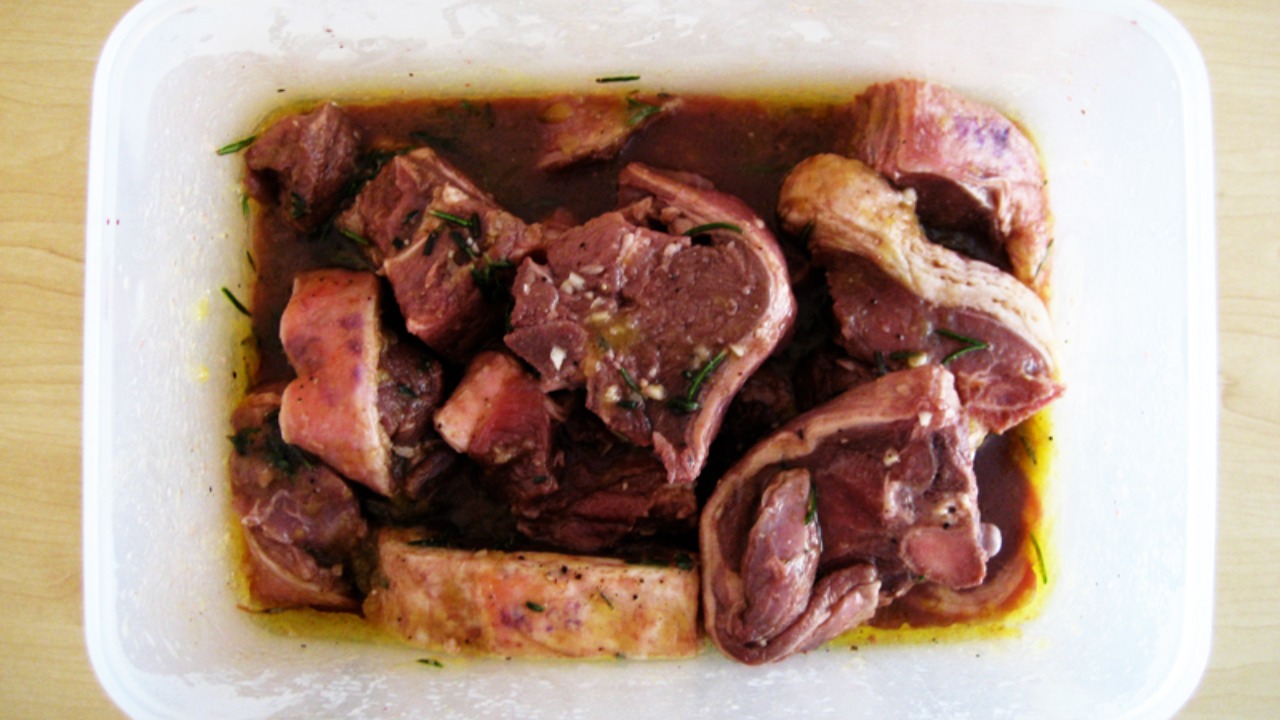
Marinating plays a crucial role in flavoring and tenderizing meat for BBQ. A good marinade can take your BBQ from good to great. However, marinating is more than just soaking meat in a flavorful liquid.
One common mistake is marinating meat for too long. While it may seem like the longer the marinating time, the better the flavor, this is not always the case. Over-marinating can lead to a mushy texture, especially with tender cuts of meat. As a general rule, most meats should be marinated for no more than 12 to 24 hours.
Not Experimenting with Different Flavors
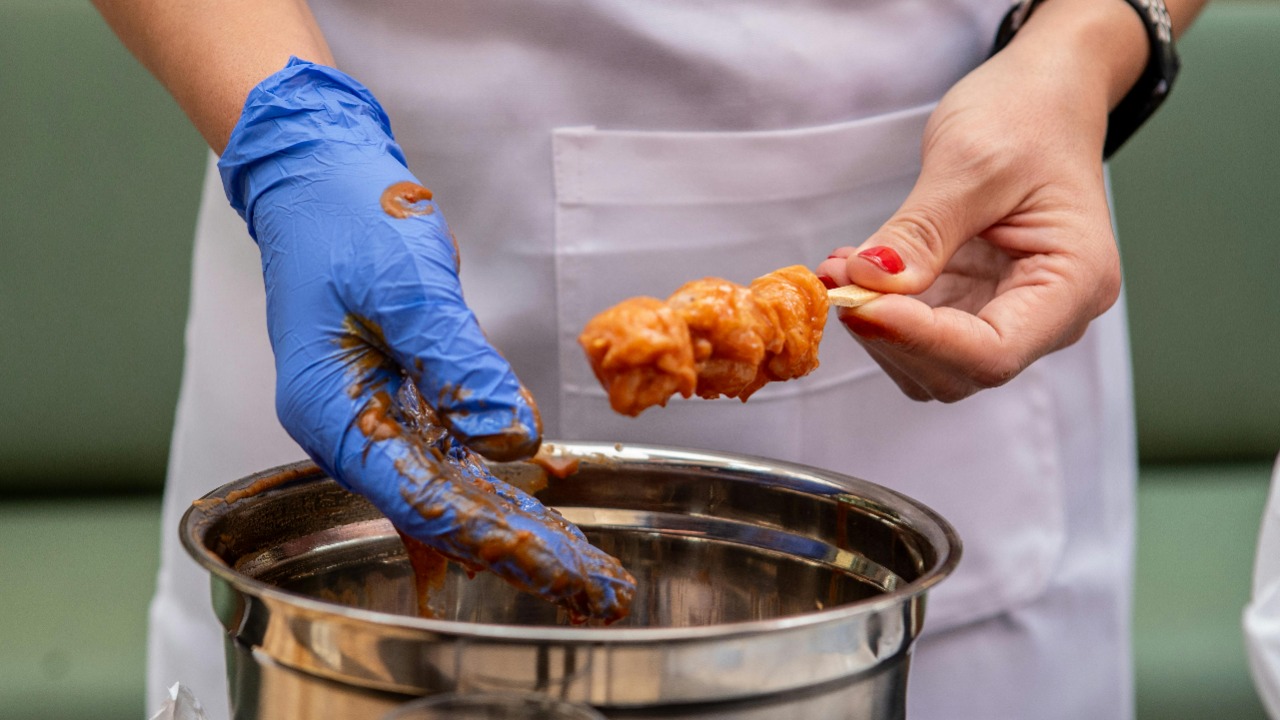
Sticking to just one BBQ sauce can limit your grilling experience. There’s a whole world of flavors out there waiting to be explored. From sweet and tangy to spicy and smoky, the possibilities are endless.
Experimenting with different flavors and seasonings can enhance your BBQ skills and broaden your culinary horizons. Try incorporating different spices, herbs, and sauces into your BBQ repertoire. You might just discover your new favorite BBQ flavor.

As a mom of three busy boys, I know how chaotic life can get — but I’ve learned that it’s possible to create a beautiful, cozy home even with kids running around. That’s why I started Cultivated Comfort — to share practical tips, simple systems, and a little encouragement for parents like me who want to make their home feel warm, inviting, and effortlessly stylish. Whether it’s managing toy chaos, streamlining everyday routines, or finding little moments of calm, I’m here to help you simplify your space and create a sense of comfort.
But home is just part of the story. I’m also passionate about seeing the world and creating beautiful meals to share with the people I love. Through Cultivated Comfort, I share my journey of balancing motherhood with building a home that feels rich and peaceful — and finding joy in exploring new places and flavors along the way.
