Tasting food is an essential skill for chefs, but the challenge lies in doing so without personal bias. Chefs employ various techniques to ensure their evaluations are objective, allowing them to create dishes that appeal to a wide audience.
Understanding the Importance of Unbiased Tasting
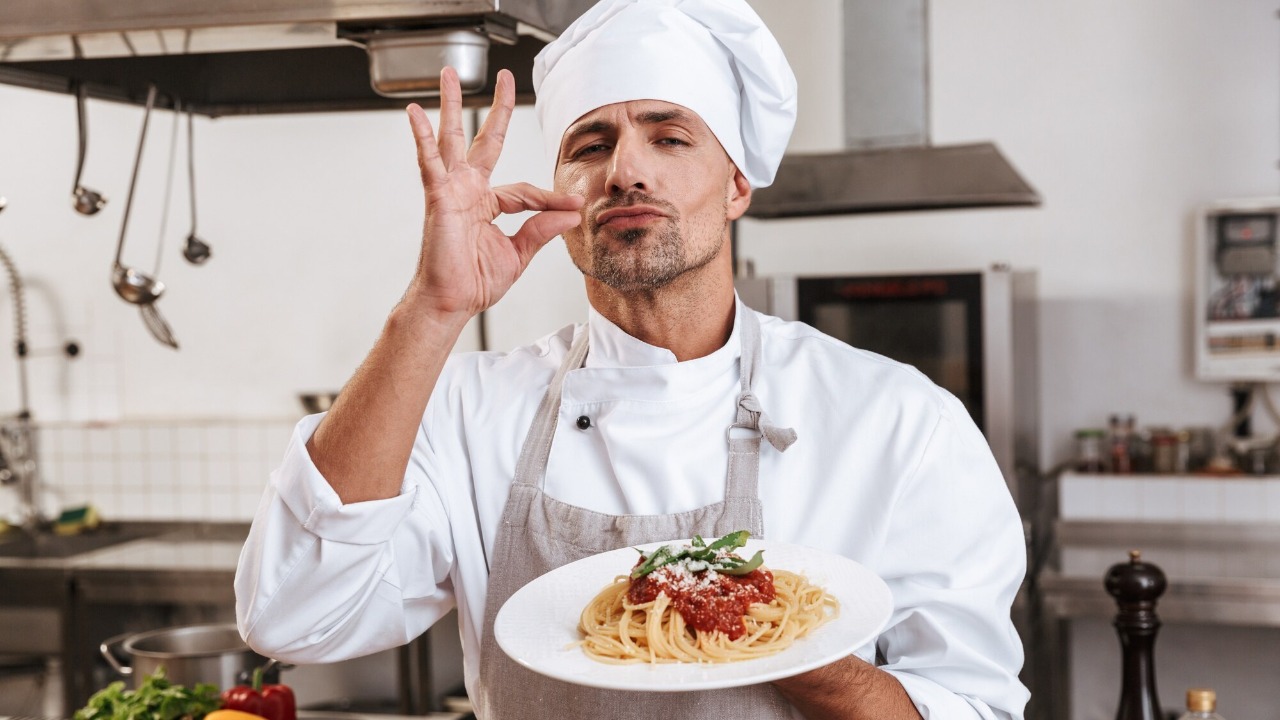
Unbiased tasting is a cornerstone of culinary excellence, crucial for chefs who aim to create dishes that resonate broadly with diners. When a chef’s personal preferences overshadow their assessments, it can skew the balance and appeal of a dish, ultimately impacting its success. For example, a chef’s preference for spicy flavors might lead them to unintentionally over-spice a dish, alienating a segment of their audience who might prefer milder flavors.
Bias can significantly affect both the perception of flavor and the composition of a dish. A chef who favors sweetness might unconsciously enhance that element, resulting in a dessert that’s overly sweet for most palates. This not only affects customer satisfaction but can also tarnish a chef’s reputation. Ensuring that personal biases do not cloud judgment is essential for maintaining a standard of culinary excellence and meeting diverse customer expectations.
Techniques for Objective Tasting

One of the most effective techniques chefs use to maintain objectivity is palate cleansing. By resetting their taste buds between tastings, chefs can ensure that residual flavors from previous samples do not influence their evaluation of the next dish. Common palate cleansers include plain water, unsalted crackers, or even a slice of apple, all of which help neutralize any lingering tastes.
Blind tastings are another valuable method employed by chefs to reduce preconceived notions. By removing any visual or contextual cues, chefs can focus purely on the taste and quality of the food. This approach is often used in wine tastings as well, where labels and brands are hidden to ensure an impartial assessment of the wine’s characteristics.
Structured tasting protocols, such as the 5 S’s (See, Sniff, Sip, Savor, Summarize), provide a standardized framework for evaluating food. By following a consistent method, chefs can better compare dishes and identify subtle differences, leading to more accurate and unbiased conclusions.
The Influence of Training and Experience
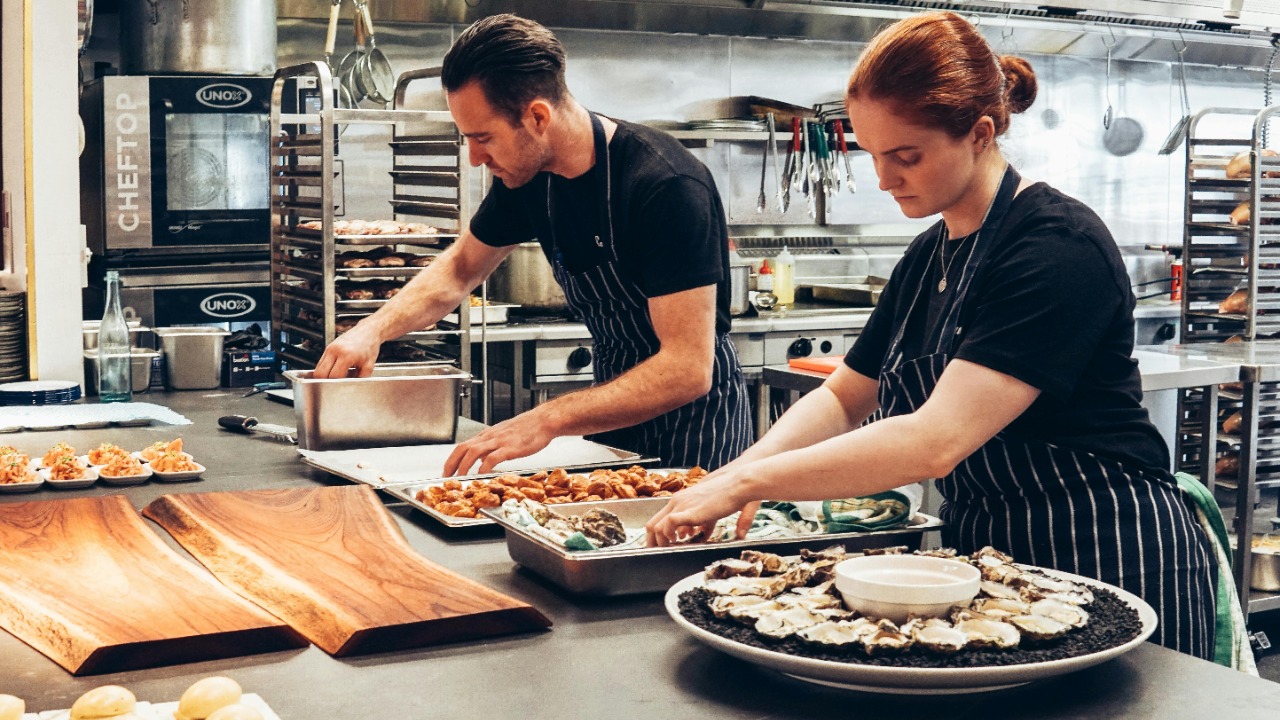
Formal culinary training plays a significant role in developing an unbiased palate. In culinary schools, students are taught the importance of tasting objectively and are exposed to a wide range of flavors and cooking styles. This exposure helps them to recognize and set aside their personal preferences, focusing instead on the balance and harmony of flavors.
Experience further refines a chef’s ability to taste without bias. Over time, chefs learn to identify and appreciate subtle nuances in flavor, texture, and aroma. This heightened discernment allows them to evaluate dishes more impartially, understanding that personal tastes are secondary to the overall quality and appeal of the dish.
Continuous learning and adaptation are also crucial. Chefs who regularly challenge their palates by trying new cuisines and ingredients remain more open-minded and less likely to let biases influence their assessments. This ongoing education fosters a more comprehensive understanding of global culinary trends and preferences, which can be applied to their own cooking.
Psychological and Sensory Factors
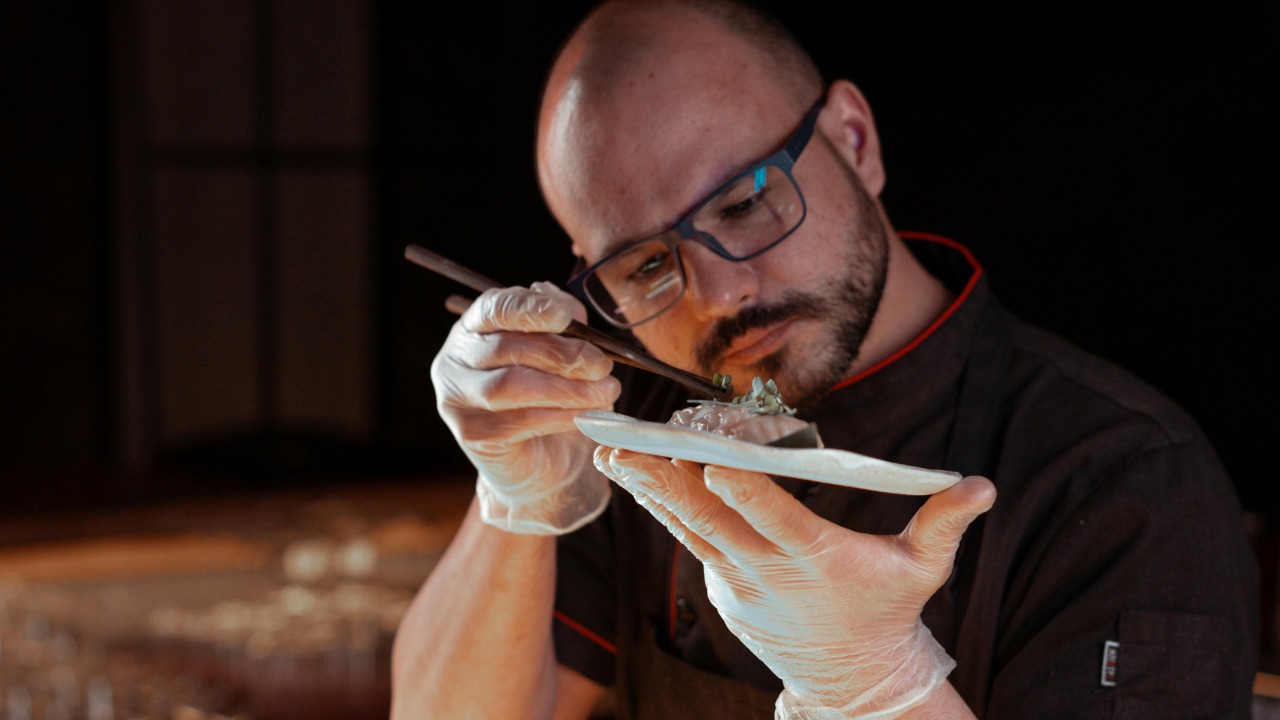
Psychological biases, such as familiarity bias, can significantly impact how chefs perceive food. Familiarity with certain flavors or ingredients can lead to a preference for them, which might not align with the diverse tastes of their clientele. Chefs need to be aware of these biases and actively work to counteract them in their evaluations.
Sensory evaluation is an essential tool in minimizing bias. By focusing on the sensory aspects of food—taste, smell, texture, and appearance—chefs can more accurately assess a dish’s qualities. Techniques such as the triangle test, where tasters identify the odd sample out of three, can help in honing sensory skills and reducing subjective influences.
Heightening awareness of one’s own biases is a critical step in achieving unbiased tasting. Chefs can practice mindfulness techniques to become more conscious of their automatic preferences and reactions, allowing them to set these aside when evaluating food.
Collaboration and Feedback
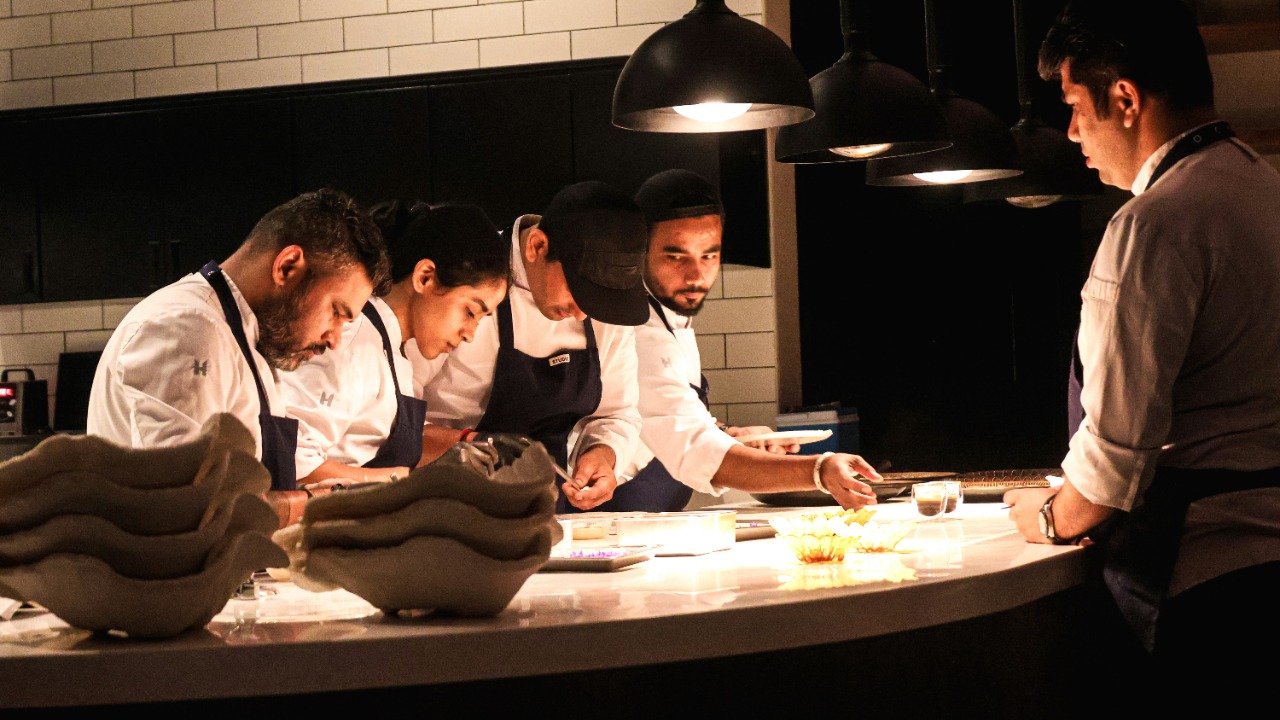
Collaboration is a powerful tool in maintaining objectivity. Team tastings, where multiple chefs or kitchen staff taste and evaluate dishes together, provide a range of perspectives that can highlight potential biases. This collective approach ensures a more balanced assessment and can lead to more universally appealing dishes.
Feedback from others is invaluable in identifying personal biases that might go unnoticed. Colleagues and peers can offer insights into how a chef’s preferences might be influencing their tasting. This external feedback loop encourages chefs to reassess their evaluations and consider alternative viewpoints.
Customer feedback is another critical component in refining a chef’s tasting approach. By listening to diners’ opinions and preferences, chefs can adjust their methods and recipes to better meet customer expectations. This feedback is essential in creating dishes that not only satisfy but also delight a diverse audience.

As a mom of three busy boys, I know how chaotic life can get — but I’ve learned that it’s possible to create a beautiful, cozy home even with kids running around. That’s why I started Cultivated Comfort — to share practical tips, simple systems, and a little encouragement for parents like me who want to make their home feel warm, inviting, and effortlessly stylish. Whether it’s managing toy chaos, streamlining everyday routines, or finding little moments of calm, I’m here to help you simplify your space and create a sense of comfort.
But home is just part of the story. I’m also passionate about seeing the world and creating beautiful meals to share with the people I love. Through Cultivated Comfort, I share my journey of balancing motherhood with building a home that feels rich and peaceful — and finding joy in exploring new places and flavors along the way.