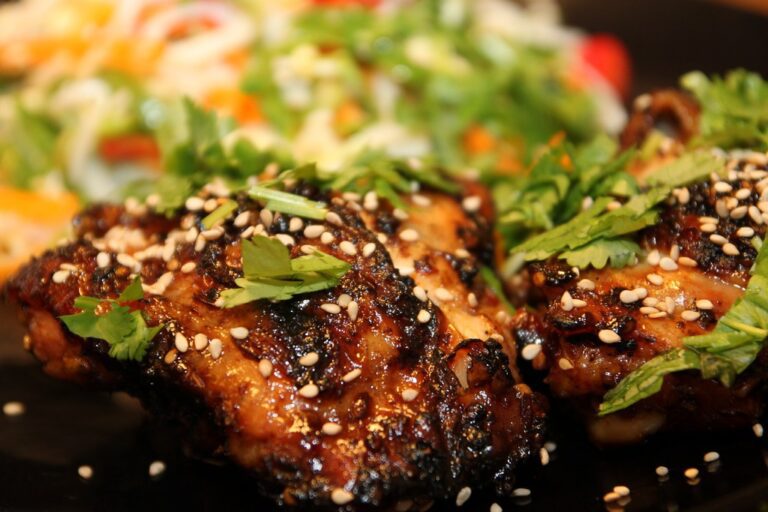
Dining out at restaurants has taught me more than just what to eat; it has inspired how I approach my own cooking at home. From the art of simplicity to highlighting local ingredients, menus often offer a wealth of ideas that can be easily adapted to home cooking. Here are nine insights I’ve gained from restaurant menus that have transformed my kitchen habits.
The Art of Simplicity
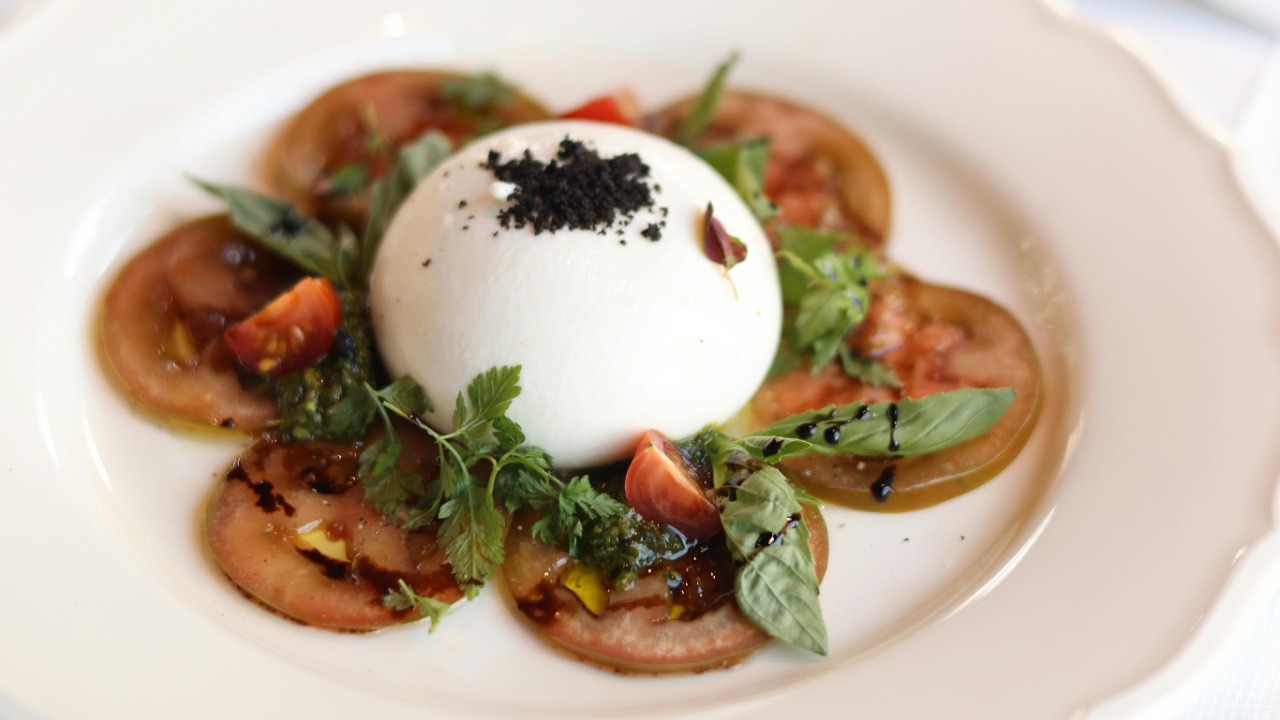
One of the first things I noticed is how many restaurants masterfully use a few high-quality ingredients to create standout dishes. This taught me that using less can often produce more flavorful and elegant meals. By focusing on a handful of fresh, high-quality ingredients, I’ve learned to let the natural flavors shine through without overwhelming them with too many additions.
For example, a classic Caprese salad with fresh mozzarella, ripe tomatoes, and a drizzle of balsamic glaze is a testament to the power of simplicity. Restaurants like these make me realize that sometimes, less really is more.
Seasonal Ingredients Shine

Another valuable lesson comes from how restaurants change their menus to reflect seasonal availability. This not only ensures freshness but also supports local farmers. In my kitchen, I’ve started to prioritize seasonal ingredients, which makes a noticeable difference in taste and quality.
Utilizing seasonal produce like spring asparagus or autumn pumpkins can elevate home-cooked meals. Plus, it provides an opportunity to experiment with new ingredients that I might not have otherwise considered. For more insights on the benefits of seasonal cooking, check out this resource.
Visual Appeal Matters
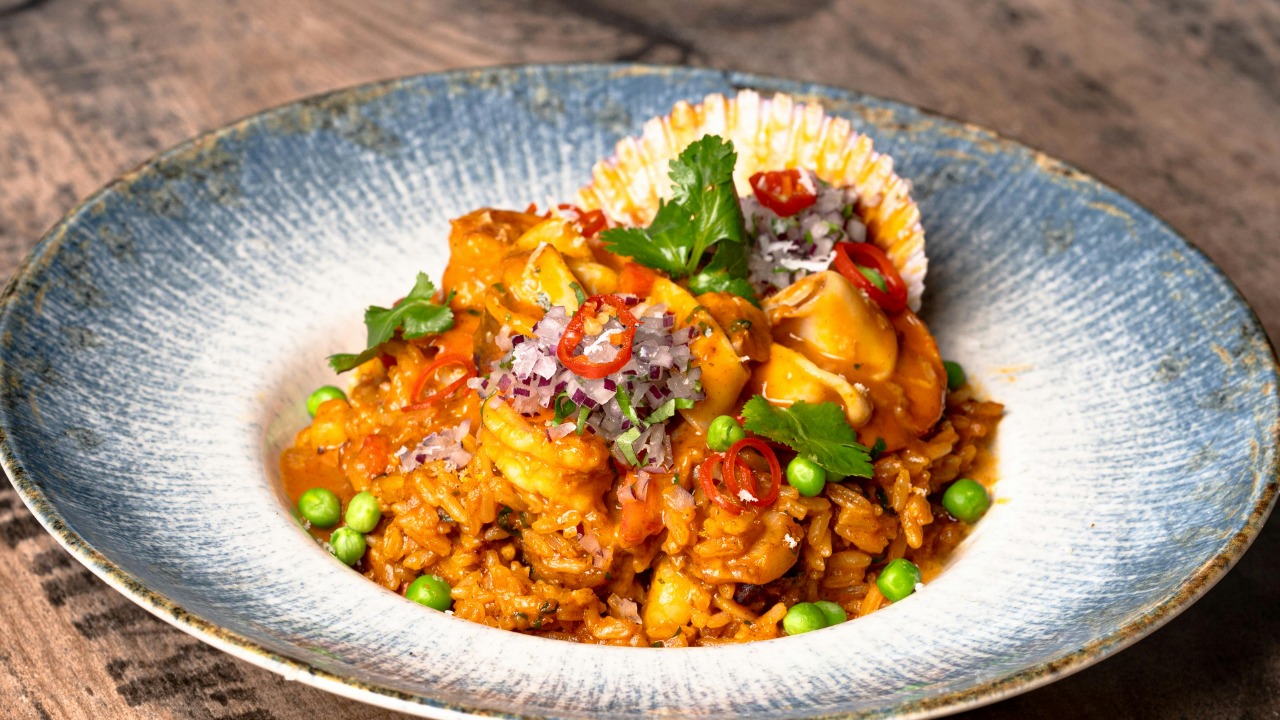
Restaurants consistently remind me that we eat with our eyes first. The presentation of a dish can greatly enhance the dining experience. I’ve started paying more attention to plating at home, even if it’s just for a simple family dinner. Arranging food thoughtfully on the plate can make meals feel more special.
Techniques like using contrasting colors and layering textures are small changes that have a big impact. This approach not only impresses guests but also makes daily meals more enjoyable for me.
Flavor Pairing Techniques
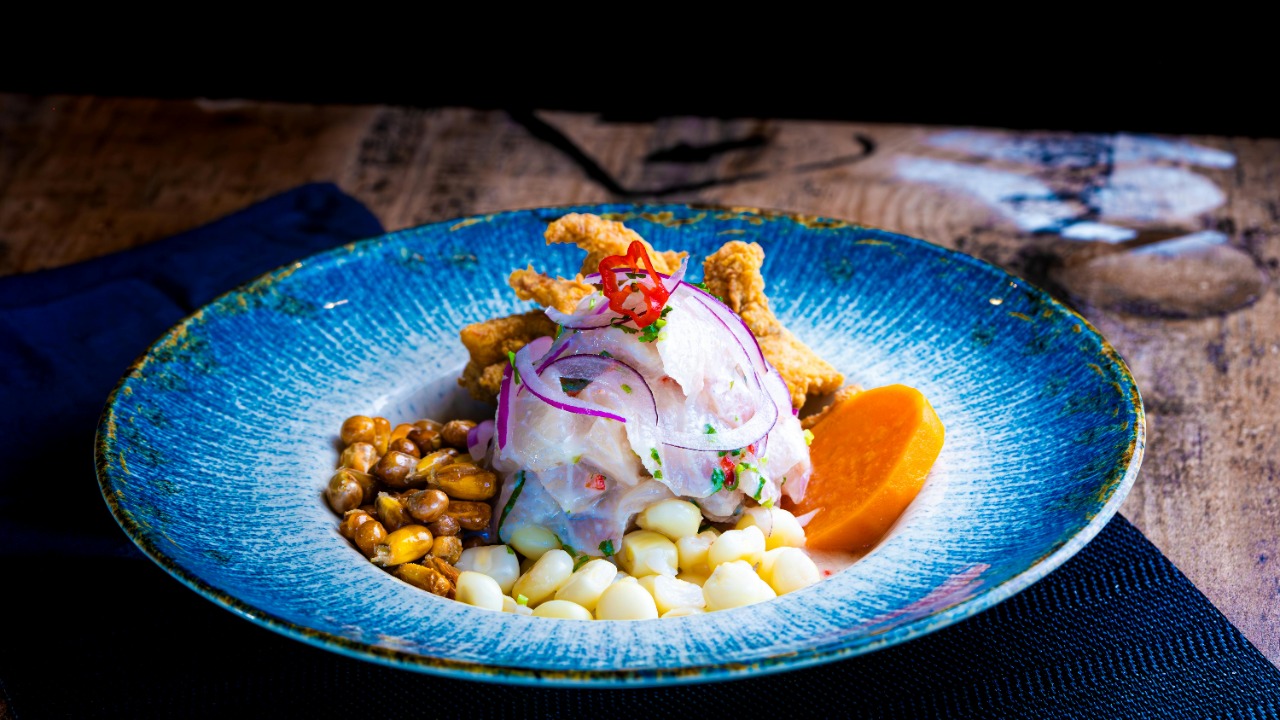
Understanding how different flavors complement each other is a skill many chefs have mastered. By studying restaurant menus, I’ve learned to experiment with new combinations, such as pairing sweet with spicy or acidic with fatty. These combinations can create a more balanced and exciting dish.
For instance, adding a squeeze of lime to a spicy taco can provide a refreshing contrast. This concept has expanded my palate and improved the complexity of my cooking, making meals more enjoyable.
Portion Control Precision

I’ve noticed that portion sizes at restaurants are often carefully calculated to leave diners satisfied but not overly full. This has influenced how I serve meals at home. By focusing on portion control, I’ve found it easier to maintain a balanced diet without feeling deprived.
Using smaller plates and serving utensils has been an effective way to manage portions. This simple change has helped me reduce food waste and create a healthier eating environment at home.
Crafting a Signature Dish
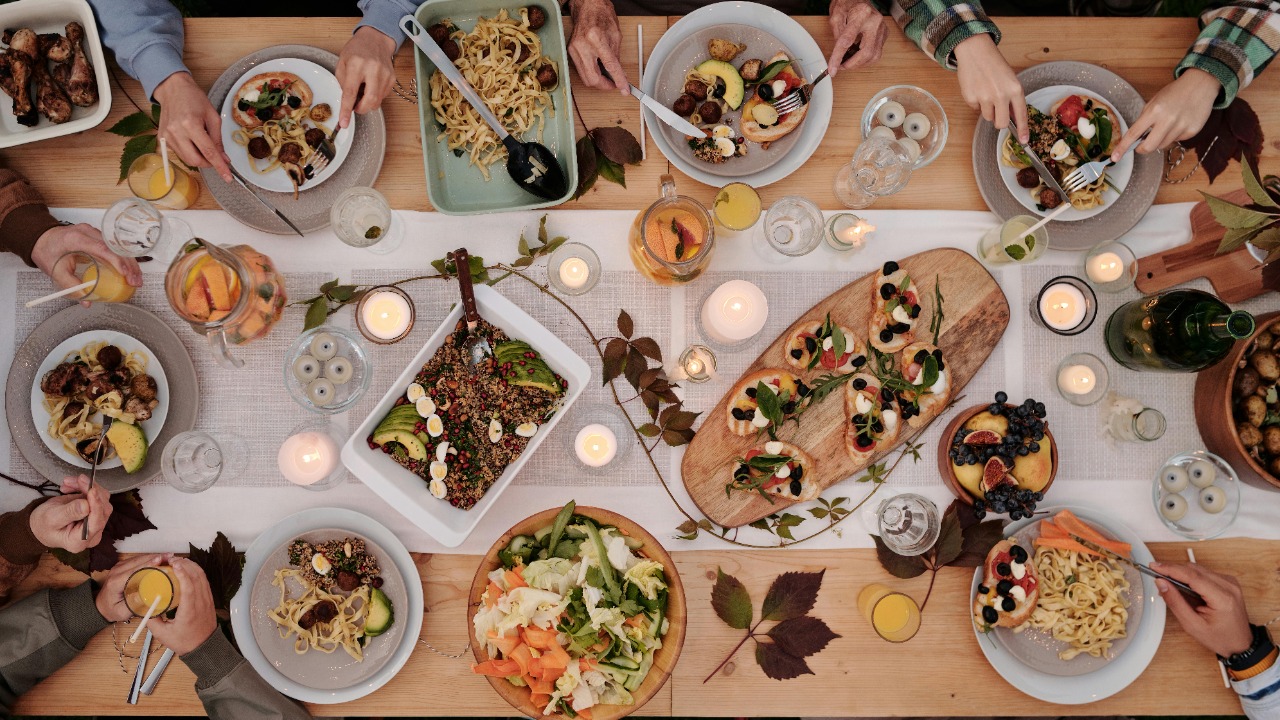
Many restaurants are known for a particular dish that keeps patrons coming back. This concept inspired me to develop my own signature dish that friends and family can enjoy. Having a go-to recipe not only simplifies entertaining but also showcases my culinary skills.
Whether it’s a unique pasta dish or a decadent dessert, having a signature dish adds a personal touch to gatherings. It’s also a great way to leave a lasting impression on guests.
Balancing Textures
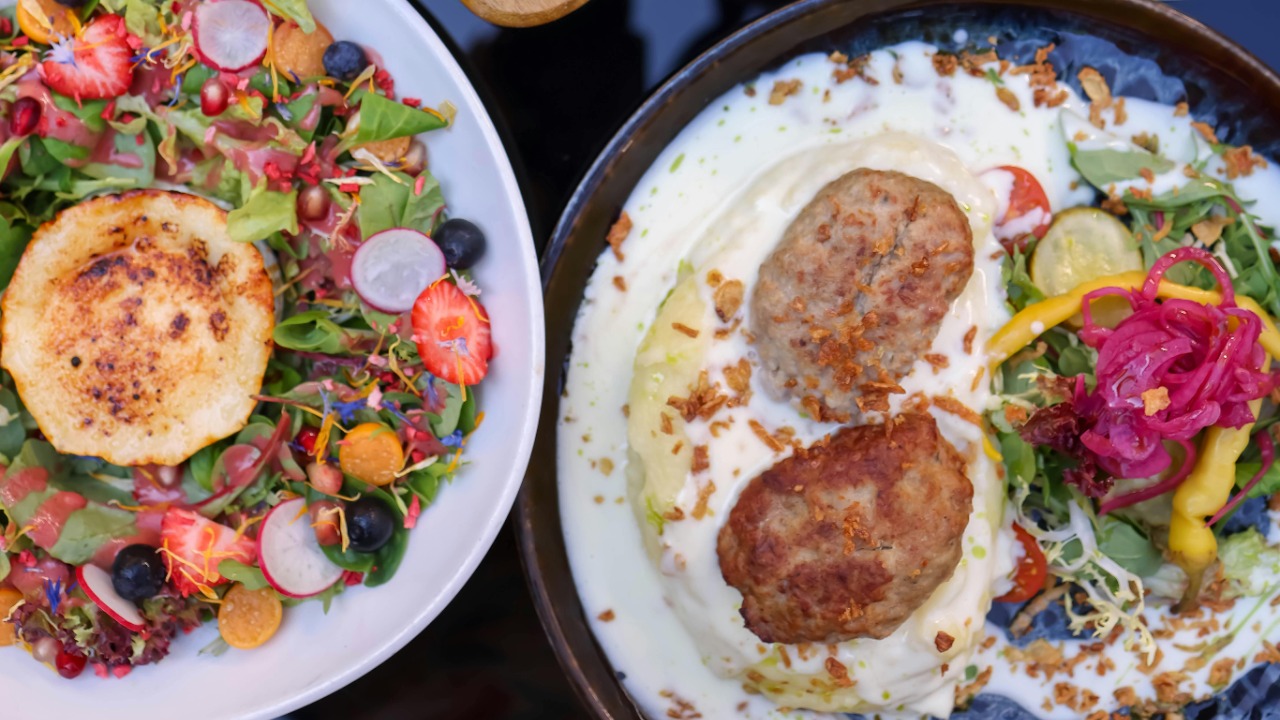
Textural contrast is another important lesson I’ve learned from dining out. A dish that combines creamy, crunchy, and smooth textures can be far more satisfying. At home, I now strive to create meals with a variety of textures to keep things interesting.
For example, adding nuts to a salad or breadcrumbs to baked pasta can provide that necessary crunch. This technique helps make meals more enjoyable and keeps my taste buds engaged.
Effective Menu Organization
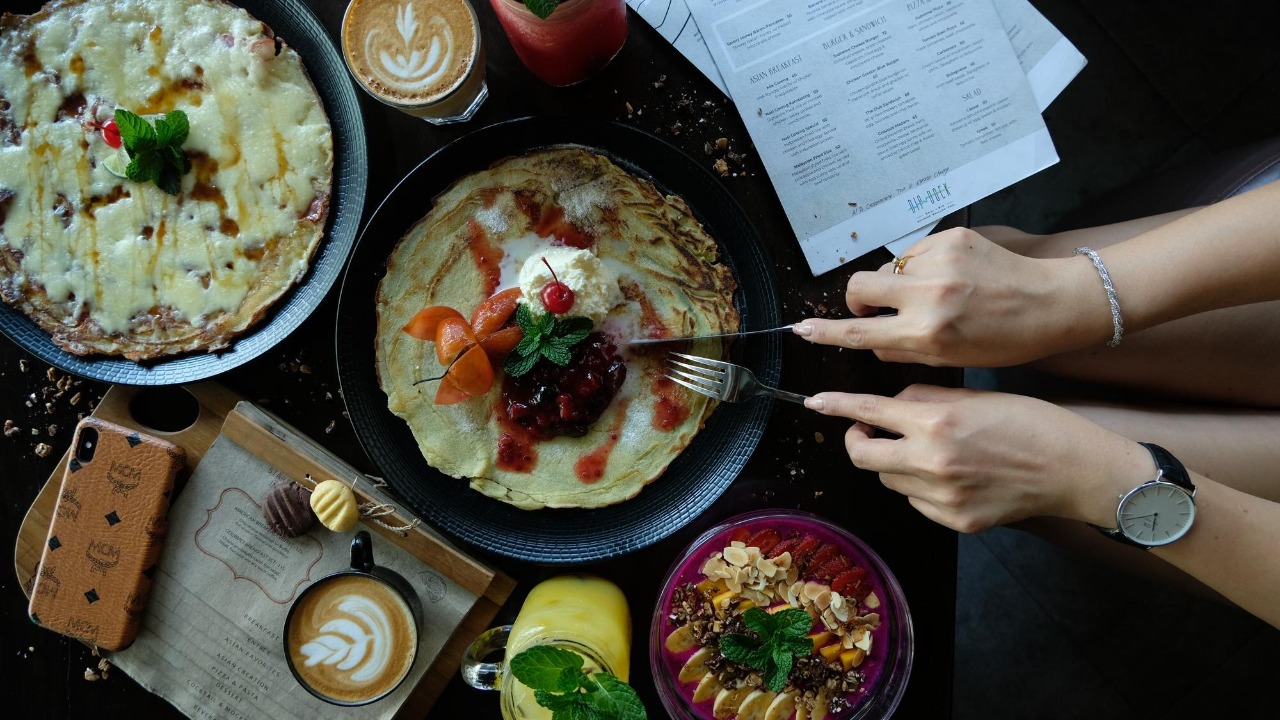
Restaurants often organize their menus in a way that guides diners through a culinary journey. At home, this translates into planning meals with a balanced structure. I try to incorporate appetizers, main courses, and desserts that complement each other.
Menu planning has also made grocery shopping more efficient. By having a clear plan, I can avoid impulse buys and focus on what’s needed. For additional menu planning tips, explore this article.
Highlighting Local Sourcing

Lastly, many restaurants emphasize local sourcing on their menus. This approach supports the community and ensures fresh ingredients. I’ve embraced this practice by shopping at farmers’ markets and sourcing locally whenever possible.
Not only does this lead to fresher meals, but it also supports local farmers and reduces my carbon footprint. It’s a win-win situation that benefits my family and the community. For more on the importance of local sourcing, you can read this study.

As a mom of three busy boys, I know how chaotic life can get — but I’ve learned that it’s possible to create a beautiful, cozy home even with kids running around. That’s why I started Cultivated Comfort — to share practical tips, simple systems, and a little encouragement for parents like me who want to make their home feel warm, inviting, and effortlessly stylish. Whether it’s managing toy chaos, streamlining everyday routines, or finding little moments of calm, I’m here to help you simplify your space and create a sense of comfort.
But home is just part of the story. I’m also passionate about seeing the world and creating beautiful meals to share with the people I love. Through Cultivated Comfort, I share my journey of balancing motherhood with building a home that feels rich and peaceful — and finding joy in exploring new places and flavors along the way.