

In the charming ambiance of French cafés, a simple request for water can reveal a fascinating cultural nuance. Many tourists might find themselves puzzled by the dynamics of ordering table water, yet there’s a rich history and legal framework that shapes this seemingly mundane aspect of dining in France. Delving into the truth about table water in French cafés, we explore its cultural significance, legal backdrop, and practical aspects.
The Cultural Significance of Water in French Dining
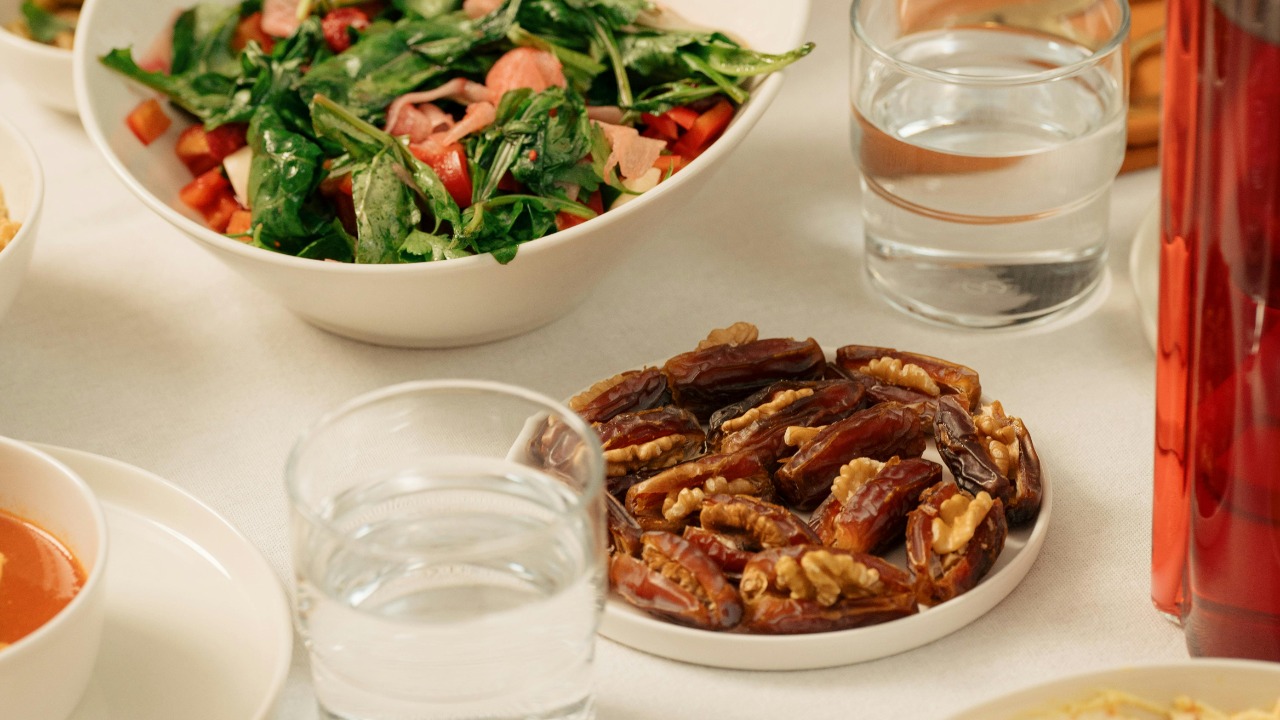
In France, dining is not just about eating; it’s a cherished social ritual steeped in tradition and elegance. Water, though seemingly ordinary, holds historical importance in this setting. Traditionally, water has been an integral component of the French dining experience, served alongside wine and other beverages. This practice stems from a time when water was considered a symbol of hospitality and refinement. The French have long recognized the importance of hydration during meals, especially when alcohol is involved, making water an essential part of dining etiquette.
Culturally, the French view water service as an extension of their hospitality. Offering water is not merely a service but a gesture that underscores the warmth and courtesy of the host. This cultural perception of water extends beyond the confines of private homes to public dining establishments like cafés, where the expectation of receiving water, either upon request or proactively, is ingrained. The act of serving water without charge is seen as a reflection of the café’s commitment to customer satisfaction and a nod to traditional French hospitality.
Legal Framework Surrounding Free Tap Water
French law mandates that restaurants and cafés provide free tap water upon request, a regulation that underscores the country’s commitment to customer rights and hospitality. This requirement is part of broader consumer protection laws aimed at ensuring that patrons have access to basic necessities while dining out. The legislation is enforced by local authorities, and establishments that fail to comply can face penalties. This legal framework is designed to prevent establishments from overcharging customers for basic amenities, thereby protecting tourists and locals alike.
Despite this clear legal directive, many tourists still encounter confusion regarding water service in French cafés. A common misconception is that all water must be paid for, leading some visitors to inadvertently order bottled water when they only wanted tap water. This misunderstanding is often compounded by language barriers and varying practices in different countries. For tourists, understanding the difference between asking for “une carafe d’eau” (a jug of tap water) and “une bouteille d’eau” (a bottle of water) can significantly influence their dining experience. Websites like Quora offer insights into these legal requirements and how they are typically observed in practice.
Economic Implications for Cafés
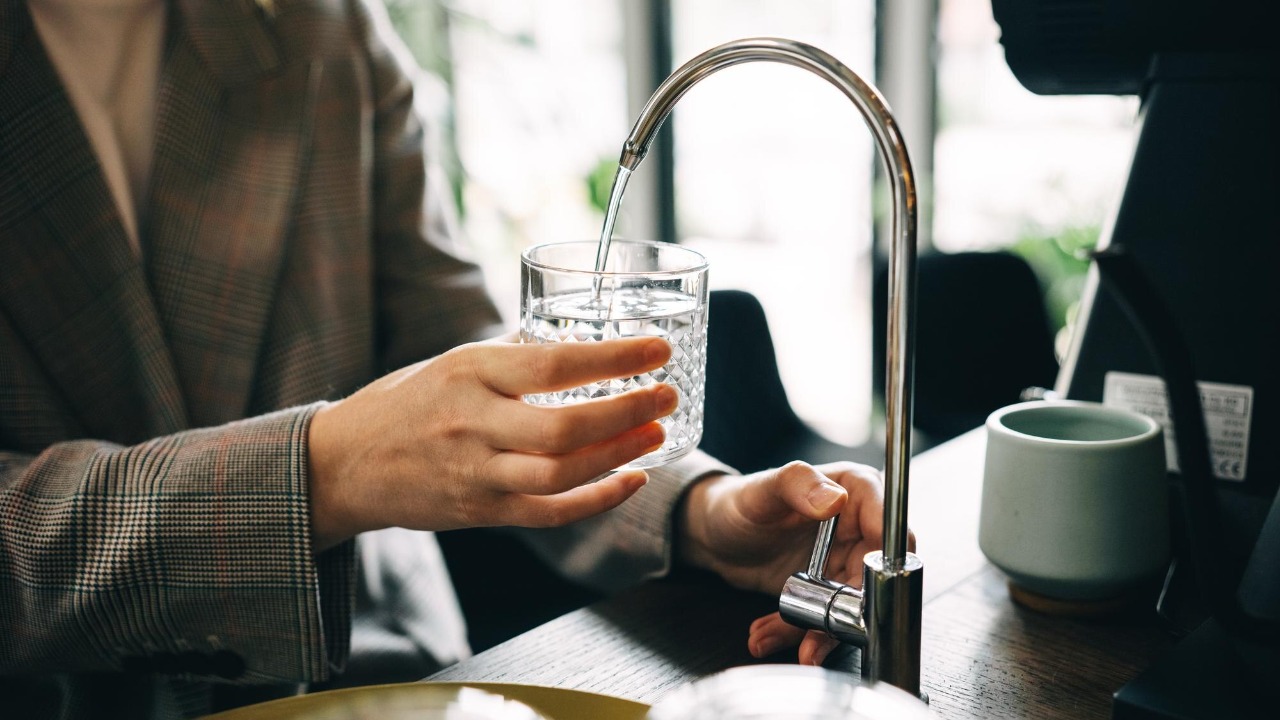
Offering free tap water, while required by law, also has economic implications for café owners. On one hand, the cost of providing tap water is relatively low, involving expenses related to water usage, glassware, and staff time. However, some café owners argue that these small costs can add up, especially in high-traffic areas or during peak tourist seasons. In such cases, the provision of free water could potentially impact the overall profitability of a business, particularly if customers opt for free water instead of purchasing more profitable beverages.
On the other hand, the impact of offering free water extends beyond immediate economic considerations to customer relations. Providing free tap water can enhance customer satisfaction and foster loyalty, as it aligns with the expectations of both locals and tourists. Patrons are more likely to return to establishments that they perceive as fair and accommodating. Conversely, cafés that are perceived as stingy or unwelcoming in their water service may suffer from negative reviews and a decline in patronage. The perception of value and hospitality is crucial in the competitive café landscape, where customer experience often dictates success.
Comparative Analysis with Other Countries
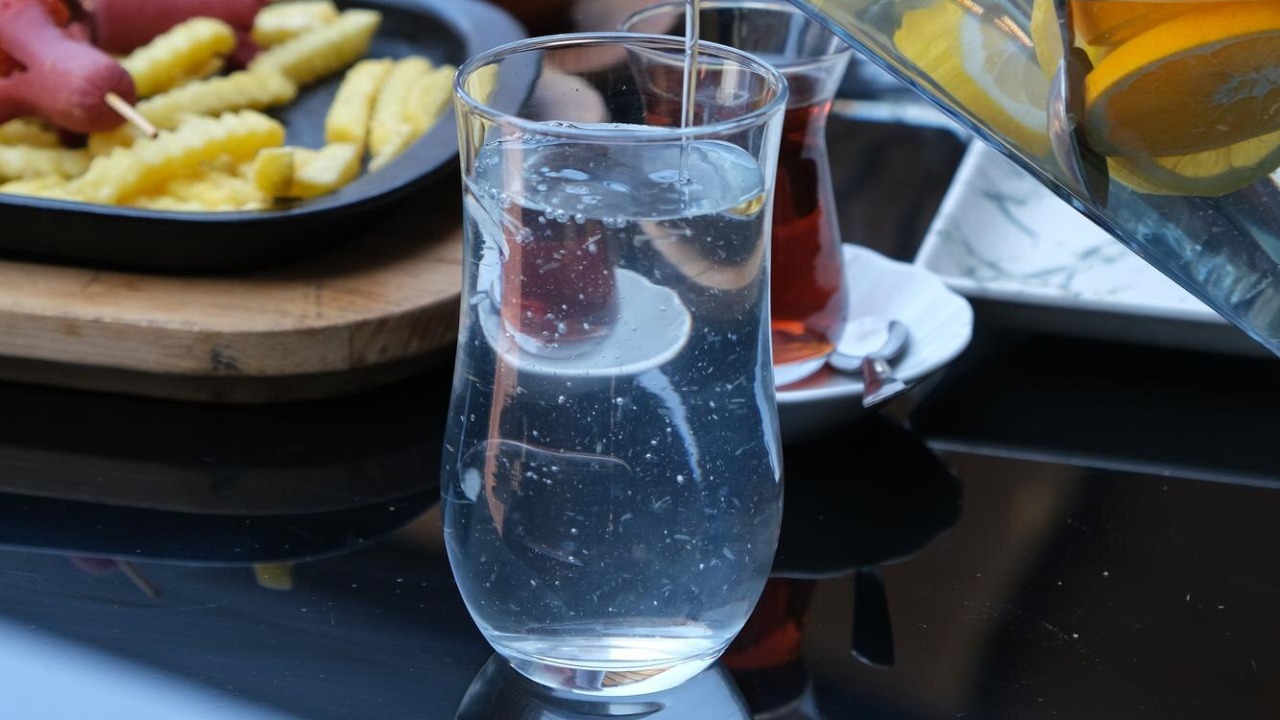
The practice of serving table water varies significantly across Europe. In countries like Italy and Spain, for example, diners are often charged for bottled water, and tap water is less commonly offered. This contrasts with the French approach, where tap water is not only available but mandated by law. The cultural norms in each country shape these practices, with some placing a greater emphasis on the sale of bottled water as a revenue stream.
In the United States, the practice of serving water is also distinct. American diners are accustomed to receiving a glass of ice water automatically upon being seated, a custom that reflects the country’s service-oriented dining culture. This contrasts sharply with the French approach, where water is served upon request and without ice unless specified. The differences in water service between countries can lead to misunderstandings among travelers, who may inadvertently apply their own cultural expectations to foreign dining experiences.
Practical Tips for Tourists
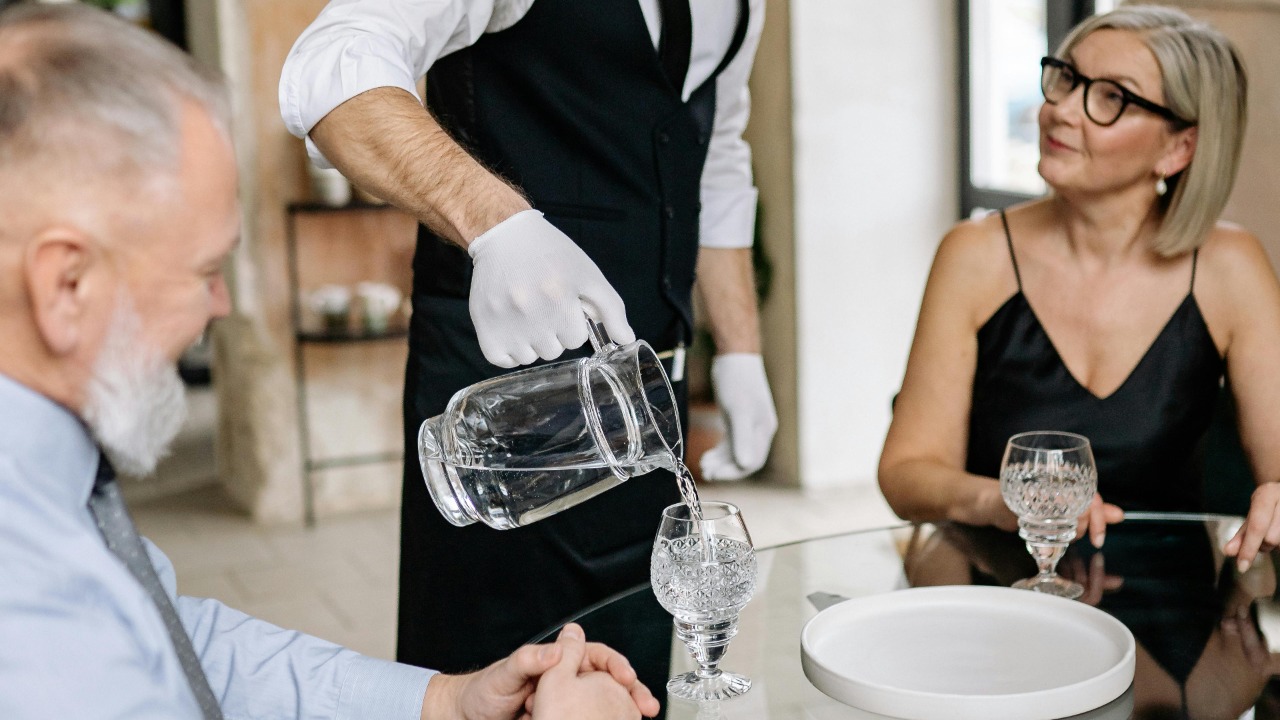
For tourists navigating the nuances of water service in French cafés, a few practical tips can make their dining experience more enjoyable. When requesting free tap water, it’s helpful to use the phrase “une carafe d’eau, s’il vous plaît” to specify a jug of tap water. Being polite and clear in your request can go a long way in ensuring a smooth interaction with café staff. Additionally, understanding the local customs, such as the fact that ice is not typically included unless requested, can help set realistic expectations.
Tourists should also be mindful of potential pitfalls, such as inadvertently ordering bottled water when they intend to request tap water. To avoid misunderstandings, it’s beneficial to observe the practices of locals and, when in doubt, ask for clarification. By being aware of the cultural and legal nuances surrounding water service, visitors can enjoy a more authentic and pleasant dining experience. Resources like The Guardian provide valuable insights into avoiding common tourist traps and making the most of one’s time in France.
The Future of Water Service in French Cafés
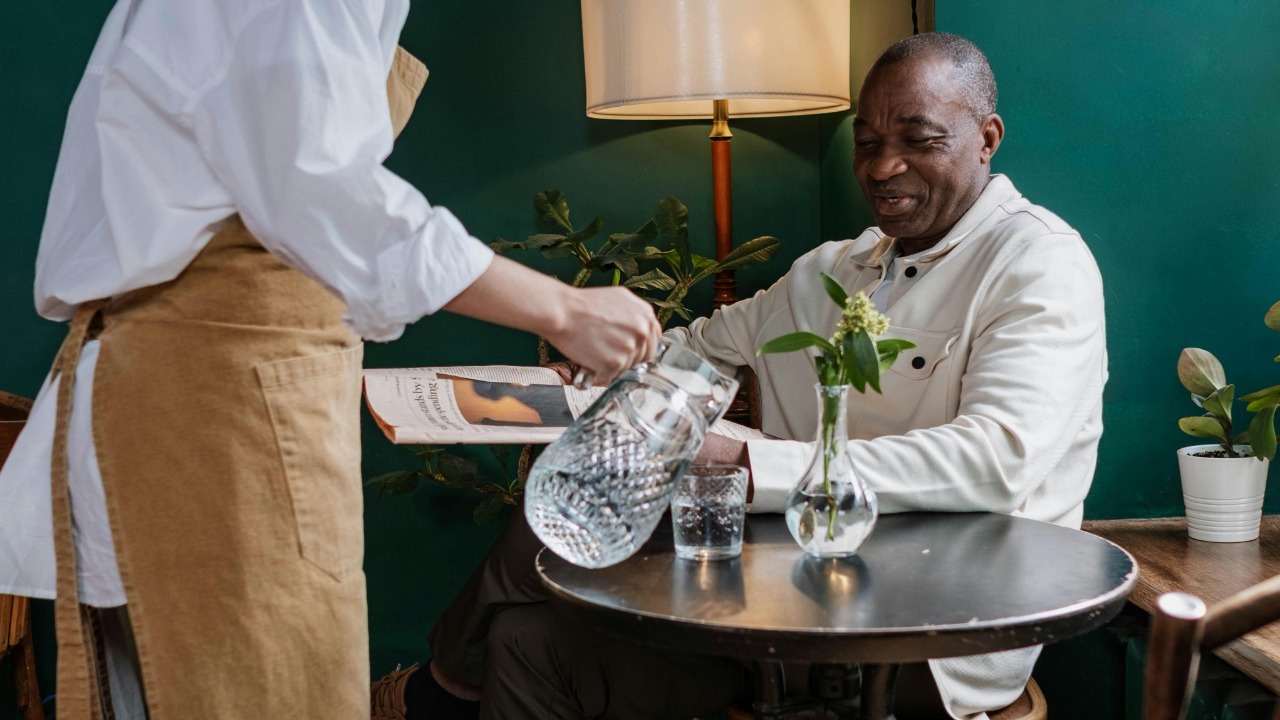
The practice of serving table water in French cafés is not static; it evolves in response to changing trends and societal shifts. In recent years, there has been a growing focus on sustainability and environmental responsibility, which is influencing how cafés approach water service. The push towards reducing plastic waste has led some establishments to emphasize the availability and benefits of tap water over bottled options. This trend aligns with broader efforts to minimize environmental impact and promote eco-friendly practices in the hospitality industry.
Looking ahead, the future of water service in French cafés will likely continue to be shaped by evolving consumer preferences and regulatory changes. As diners become more environmentally conscious, the demand for sustainable practices is expected to grow. This shift may lead to further innovations in how water is served, such as the introduction of reusable glass bottles or the inclusion of water filtration systems to enhance the quality of tap water. As cafés adapt to these trends, they will continue to balance the cultural, legal, and economic aspects of water service, ensuring that it remains a vital and cherished component of the French dining experience. For more insights on how dining trends are evolving globally, the University of California Press offers a wealth of information on gastronomic practices and their cultural significance.

As a mom of three busy boys, I know how chaotic life can get — but I’ve learned that it’s possible to create a beautiful, cozy home even with kids running around. That’s why I started Cultivated Comfort — to share practical tips, simple systems, and a little encouragement for parents like me who want to make their home feel warm, inviting, and effortlessly stylish. Whether it’s managing toy chaos, streamlining everyday routines, or finding little moments of calm, I’m here to help you simplify your space and create a sense of comfort.
But home is just part of the story. I’m also passionate about seeing the world and creating beautiful meals to share with the people I love. Through Cultivated Comfort, I share my journey of balancing motherhood with building a home that feels rich and peaceful — and finding joy in exploring new places and flavors along the way.
