Social media is rife with myths, especially when it comes to meat consumption. These myths can lead to confusion and poor dietary choices. Here, I’ll debunk some of the most common misconceptions, providing clarity based on scientific evidence and expert opinions.
Myth: Red Meat Causes Cancer
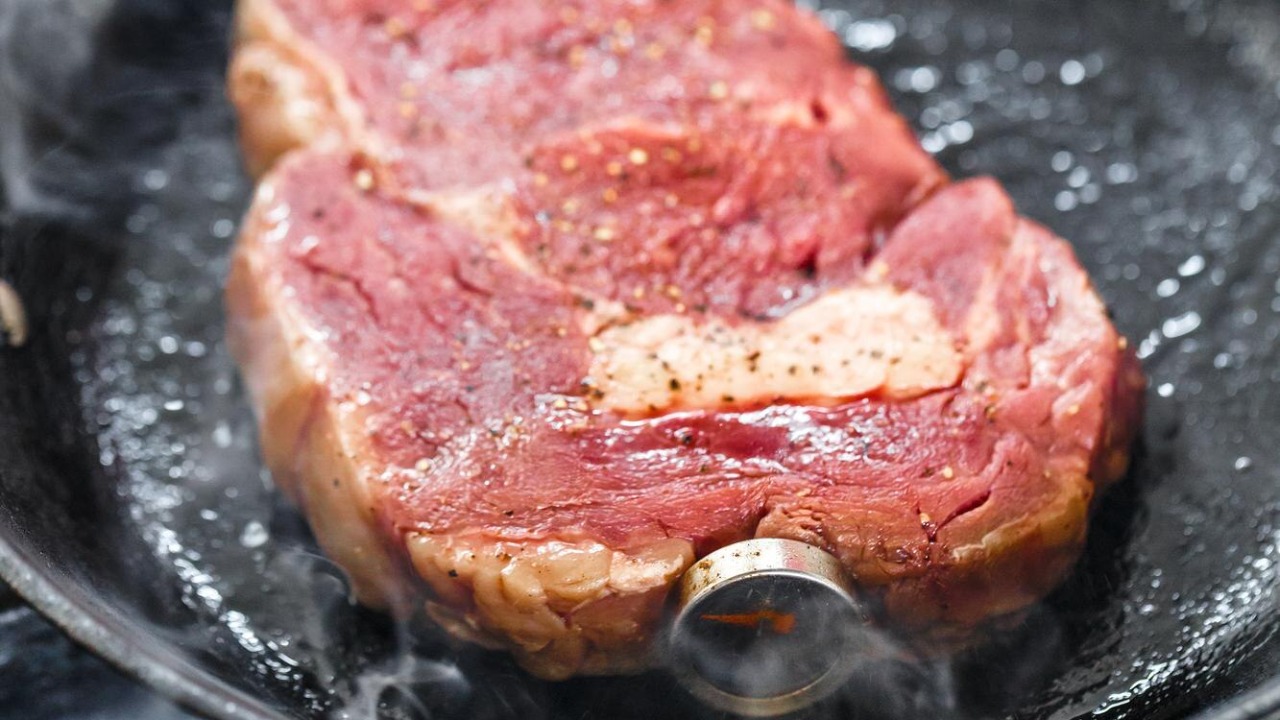
While it’s true that the consumption of red meat has been linked to certain cancers, the relationship is not as straightforward as it might seem. According to a study from the University of Hawaii, moderation and preparation methods play crucial roles. Grilling or frying at high temperatures may produce carcinogens, but consuming lean cuts and cooking with methods like baking or steaming can mitigate these risks.
Furthermore, red meat is a valuable source of essential nutrients like iron, zinc, and B vitamins. The key is to balance red meat intake with other protein sources and a variety of fruits and vegetables to maintain a healthy diet.
Myth: All Processed Meats Are Equally Harmful
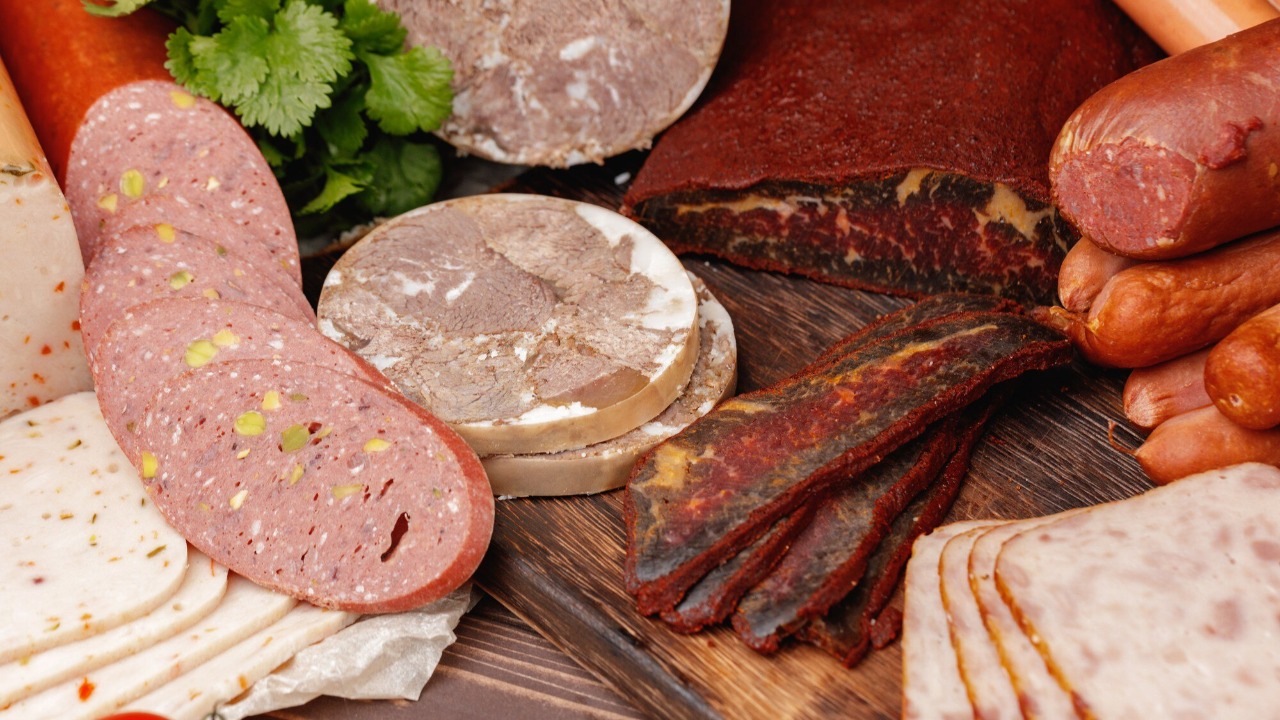
The term “processed meats” covers a wide range of products, from bacon and sausages to cured meats like salami. Not all processed meats have the same health impact. For instance, some meats are processed with fewer additives and preservatives, resulting in a healthier option. It’s important to read labels and opt for products with minimal artificial ingredients.
Recent discussions on processed meats can be found in a Guardian article, which emphasizes the importance of choosing high-quality, low-additive options. Moderation is key, and balancing processed meats with fresh, whole foods can mitigate potential health risks.
Myth: White Meat is Always Healthier Than Red Meat
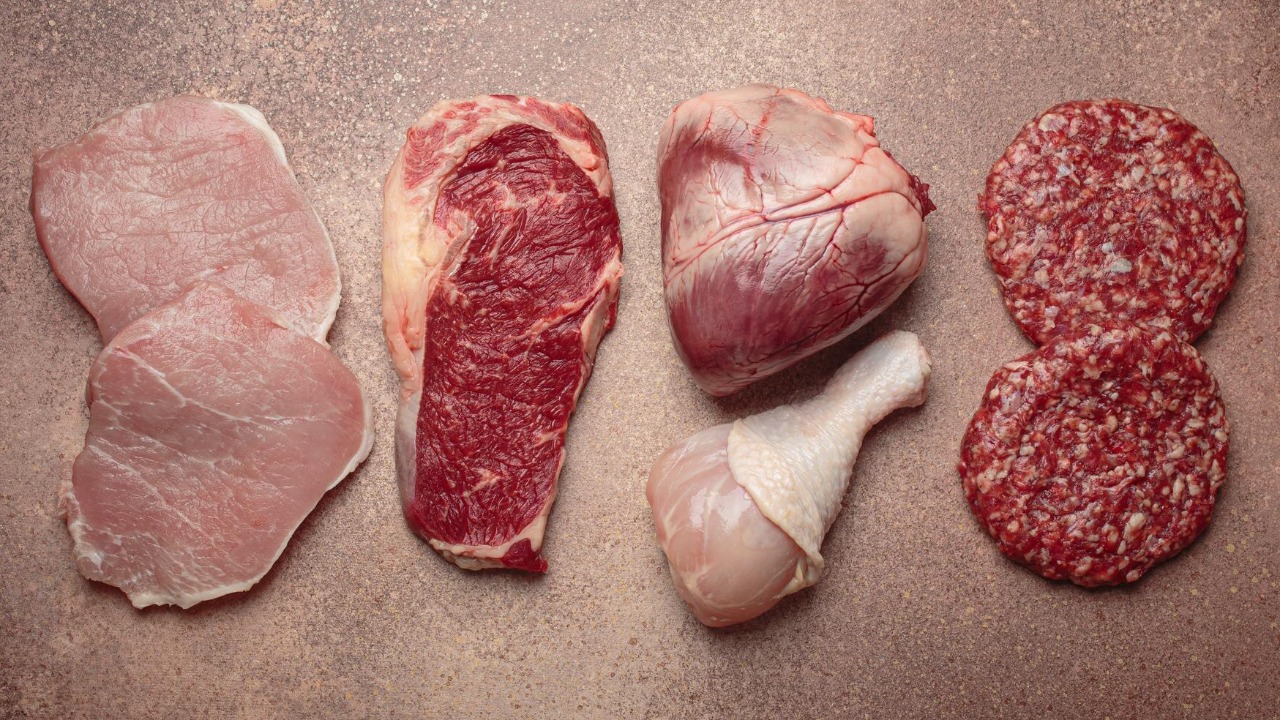
While white meat is often touted as the healthier choice due to its lower fat content, it’s not universally superior. Both red and white meats have unique nutritional profiles, offering different benefits. For example, red meat is a richer source of iron compared to white meat, which can be beneficial for individuals with higher iron needs.
It’s essential to consider the overall context of one’s diet. Incorporating a variety of meats, prepared in healthy ways, ensures a balanced intake of nutrients. For further insights, Fox News offers more information on the misconceptions surrounding meat consumption.
Myth: Meat-Free Diets Provide All Necessary Nutrients

While plant-based diets can be rich in certain nutrients, they may lack others commonly found in meat, such as vitamin B12, iron, and omega-3 fatty acids. It’s crucial for those on meat-free diets to seek alternative sources of these nutrients, potentially through supplements or fortified foods.
Notably, a nutrition expert points out that a well-planned vegetarian or vegan diet can be nutritionally adequate, but it often requires careful planning and knowledge to avoid deficiencies.
Myth: Grass-Fed Beef is Significantly Lower in Calories
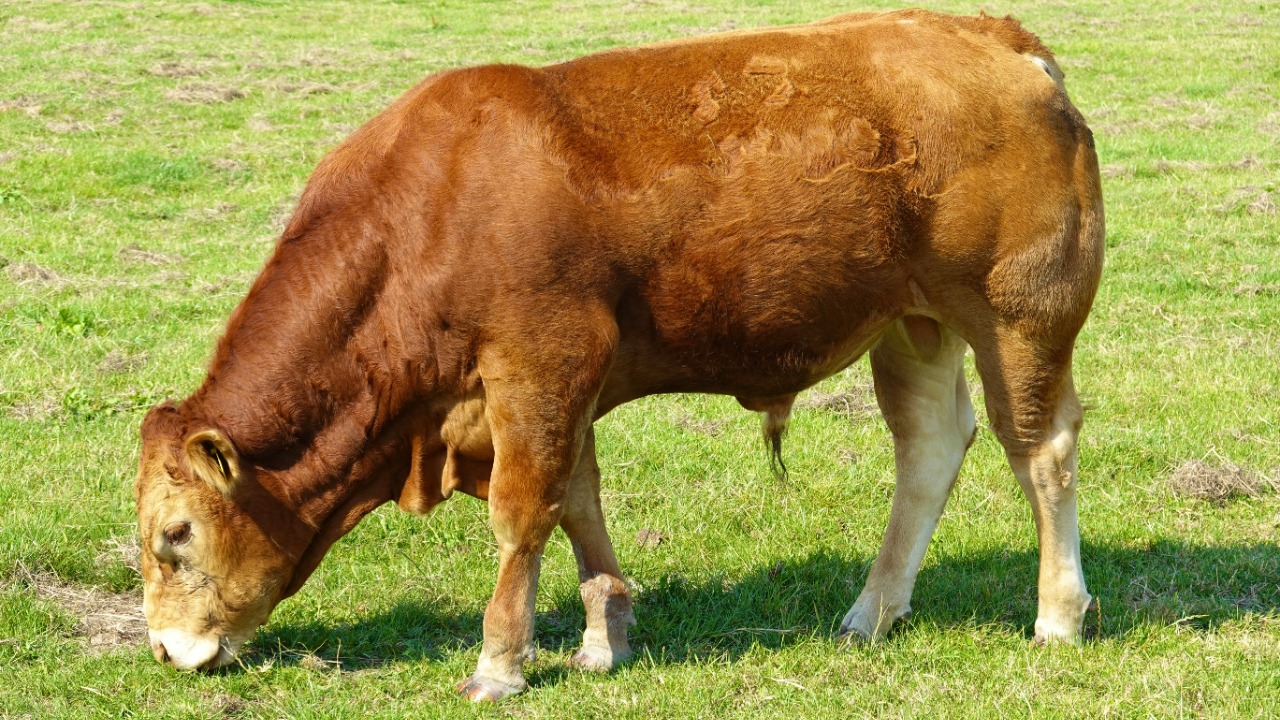
Grass-fed beef is often perceived as a healthier and lower-calorie option compared to grain-fed beef. While it does have some nutritional advantages, such as higher omega-3 fatty acid content, the calorie difference is negligible. The main benefits of grass-fed beef lie in its fatty acid profile and environmental impact rather than its calorie count.
Consumers should not rely solely on calorie content when choosing between grass-fed and grain-fed beef. Understanding the broader nutritional differences is essential for informed decisions. Pine Eagle Clinic offers additional insights on choosing healthy meat options.
Myth: Cooking Meat at High Temperatures Destroys All Nutrients
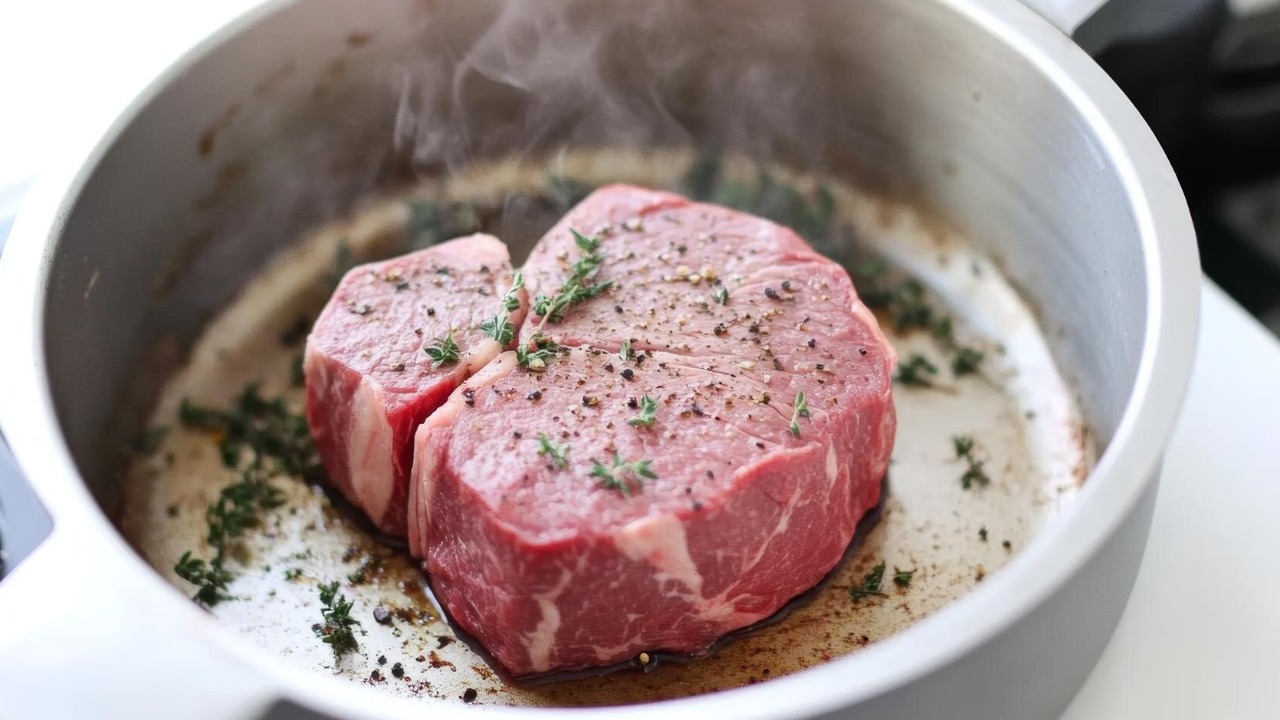
While cooking meat at high temperatures can lead to nutrient loss, it does not eliminate all nutrients. Certain methods, like boiling or over-grilling, can reduce vitamin content, but proteins and minerals remain largely intact. It’s important to consider cooking methods that preserve nutritional value, such as steaming or baking.
Balancing cooking techniques can help retain nutrients while ensuring food safety. High-heat methods can still be part of a healthy diet when used appropriately and complemented with other techniques.
Myth: Organic Meat is Completely Free of Antibiotics
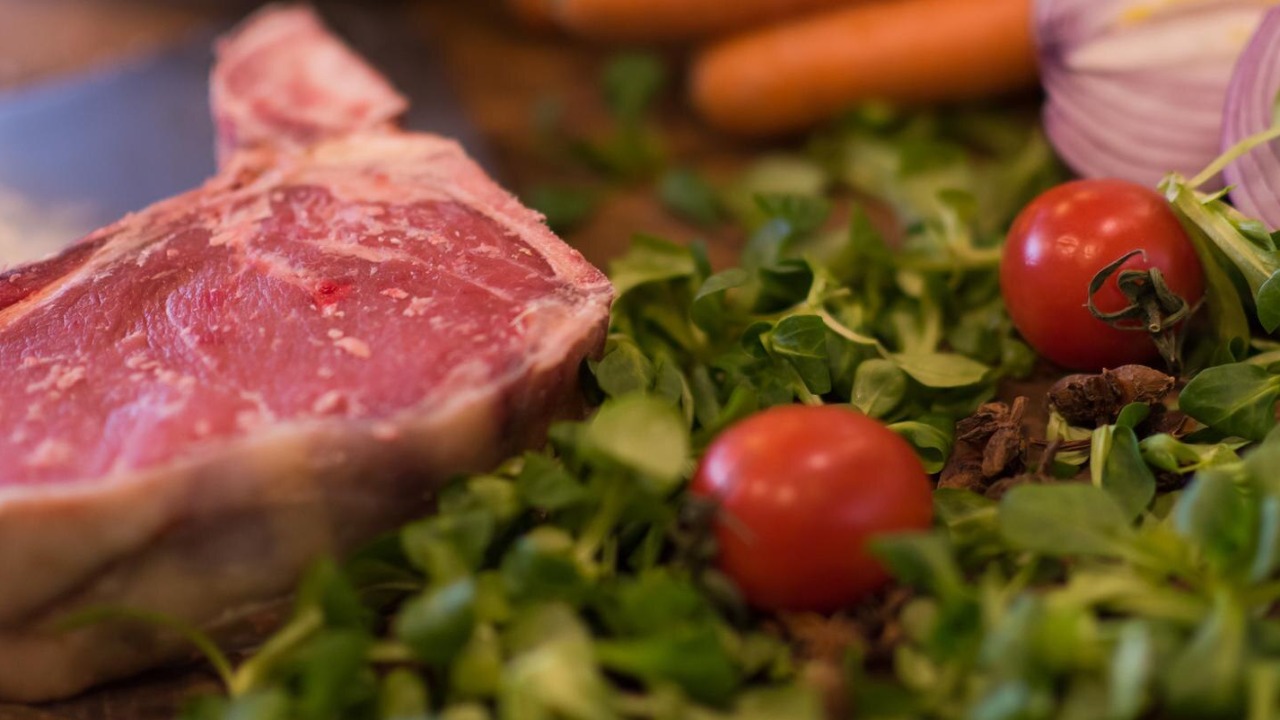
Organic meat is often marketed as free from antibiotics, but this is not entirely accurate. Organic standards prohibit the use of antibiotics in the animals’ lifecycle for growth promotion, but they can be used for treating illness. This ensures animal welfare while maintaining some level of antibiotic intervention when necessary.
Understanding the regulations surrounding organic meat helps consumers make informed choices. The use of antibiotics in organic farming is a nuanced issue, emphasizing both health and ethical considerations.

As a mom of three busy boys, I know how chaotic life can get — but I’ve learned that it’s possible to create a beautiful, cozy home even with kids running around. That’s why I started Cultivated Comfort — to share practical tips, simple systems, and a little encouragement for parents like me who want to make their home feel warm, inviting, and effortlessly stylish. Whether it’s managing toy chaos, streamlining everyday routines, or finding little moments of calm, I’m here to help you simplify your space and create a sense of comfort.
But home is just part of the story. I’m also passionate about seeing the world and creating beautiful meals to share with the people I love. Through Cultivated Comfort, I share my journey of balancing motherhood with building a home that feels rich and peaceful — and finding joy in exploring new places and flavors along the way.