Organizing your freezer effectively can significantly reduce food waste, a common issue in many households. By strategically arranging items, you can ensure that food is used before it spoils, saving money and reducing environmental impact. Here are eight practical freezer layouts that can help you minimize waste and keep your food fresh longer.
Top Shelf for Leftovers
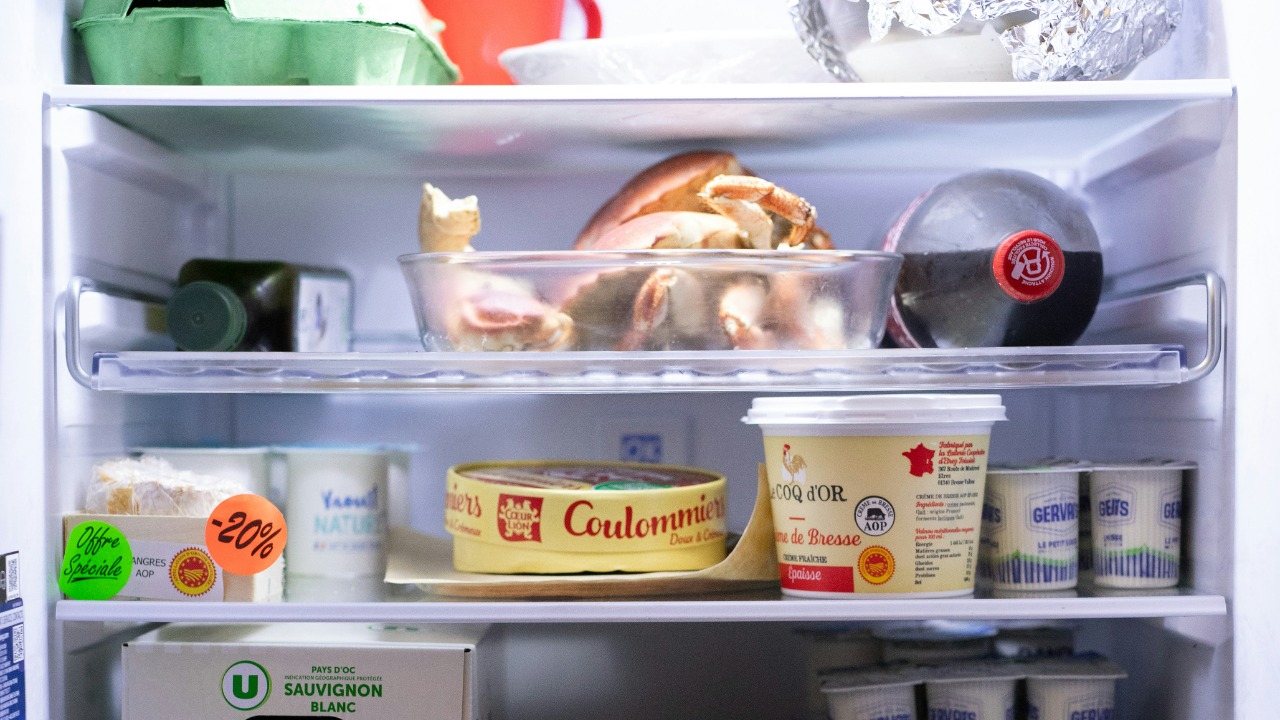
Many experts recommend using the top shelf of your freezer for storing leftovers. This placement keeps them visible and easily accessible, reducing the likelihood that they will be forgotten and eventually wasted. By having leftovers at eye level, you are more likely to incorporate them into your meal planning, which can significantly cut down on food waste. According to a study, visibility is a key factor in ensuring that leftovers are consumed in a timely manner, as items that are out of sight are often out of mind.
Additionally, the top shelf is typically the warmest part of the freezer, which is ideal for foods that are already cooked and just need to be kept cold. This setup not only helps in maintaining the quality of the leftovers but also ensures that they are consumed before they lose their flavor and texture. By prioritizing leftovers on the top shelf, you can make a conscious effort to reduce waste and make the most of your meals.
Incorporating a system for rotating leftovers can further enhance the efficiency of using the top shelf. By placing newer leftovers behind older ones, you ensure that the oldest items are consumed first, reducing the risk of spoilage. This method, often referred to as the ‘first in, first out’ approach, is widely recommended by food safety experts as a practical way to manage perishable items. Additionally, using clear, labeled containers can help you quickly identify the contents and their storage dates, making it easier to plan meals around what needs to be used up soonest.
Middle Shelf for Ready-to-Eat Foods
Storing ready-to-eat foods on the middle shelf of your freezer is a strategy supported by the USDA. This placement ensures that these items are easily accessible, making it more convenient for you to grab a quick meal or snack without having to dig through other items. The middle shelf is often at a comfortable height, which means you are more likely to notice and use these foods before they spoil.
Ready-to-eat foods, such as frozen dinners, pre-cooked meats, and desserts, benefit from being stored in a central location. This not only helps in maintaining their quality but also encourages their consumption. By organizing your freezer in this way, you can reduce the chances of these foods being overlooked and eventually wasted. The USDA emphasizes the importance of accessibility in food storage, as it plays a crucial role in minimizing waste and ensuring that food is consumed while still fresh.
To maximize the benefits of storing ready-to-eat foods on the middle shelf, consider grouping similar items together. For example, keep all frozen dinners in one section and desserts in another. This not only makes it easier to find what you’re looking for but also helps in maintaining an organized freezer. Furthermore, regularly checking the expiration dates of these items can prevent them from being forgotten and wasted. Implementing a bi-weekly or monthly inventory check can ensure that you are aware of what needs to be consumed soon, thus reducing waste and saving money.
Bottom Shelf for Raw Meat
The FDA advises placing raw meat on the bottom shelf of your freezer to prevent any potential contamination. This is a critical safety measure, as raw meat can release juices that may drip onto other foods, leading to cross-contamination. By storing raw meat on the lowest shelf, you can ensure that any leaks are contained, protecting the integrity of other items in your freezer.
In addition to safety, this arrangement also helps in organizing your freezer more efficiently. Raw meats are often bulkier and heavier, making the bottom shelf an ideal location for them. This setup not only prevents contamination but also makes it easier to manage and rotate your stock of raw meats. The FDA’s guidelines highlight the importance of proper storage techniques in maintaining food safety and reducing waste, as spoiled or contaminated food often ends up being discarded.
For added safety, consider using leak-proof containers or placing raw meat packages on a tray to catch any potential drips. This extra precaution can further prevent cross-contamination and make cleaning easier. Additionally, organizing raw meats by type or cut can streamline meal preparation and help you quickly locate what you need. Regularly reviewing the contents of the bottom shelf can also aid in meal planning, ensuring that older items are used first and reducing the risk of spoilage.
Door Shelves for Condiments
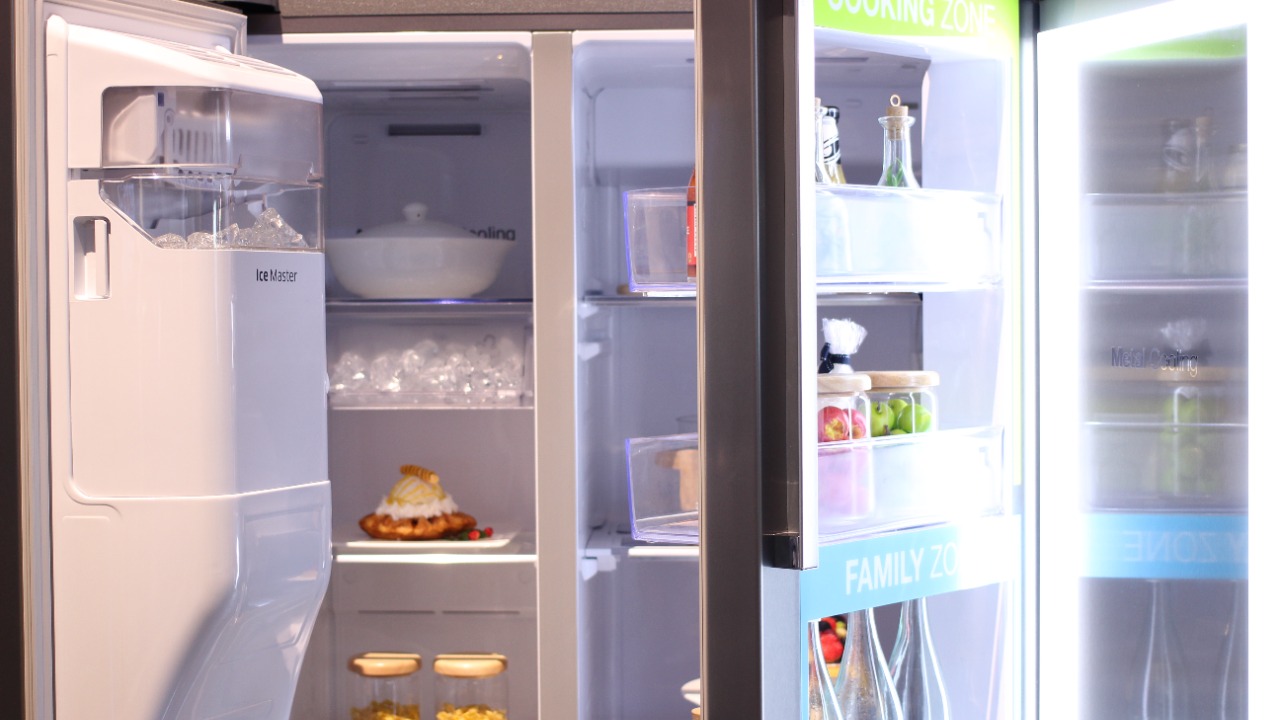
Experts suggest using the door shelves of your freezer for storing condiments. These items are less sensitive to temperature fluctuations, making them well-suited for the door, which is typically the warmest part of the freezer. By placing condiments on the door shelves, you can free up space in the main compartment for more temperature-sensitive items.
Condiments such as sauces, dressings, and spreads are often used in small quantities, so having them easily accessible can encourage their use and prevent waste. This arrangement also helps in keeping your freezer organized, as condiments can often create clutter if not stored properly. By dedicating the door shelves to these items, you can maintain a tidy and efficient freezer layout, reducing the likelihood of items being forgotten and wasted.
To further optimize the use of door shelves for condiments, consider grouping similar items together, such as all sauces in one section and dressings in another. This organization can make it easier to find what you need quickly and encourage the use of a variety of condiments in your meals. Additionally, regularly checking the expiration dates of these items can prevent them from being forgotten and wasted. By maintaining an organized and up-to-date inventory of your condiments, you can enhance meal variety and reduce food waste.
Dedicated Space for Frozen Vegetables
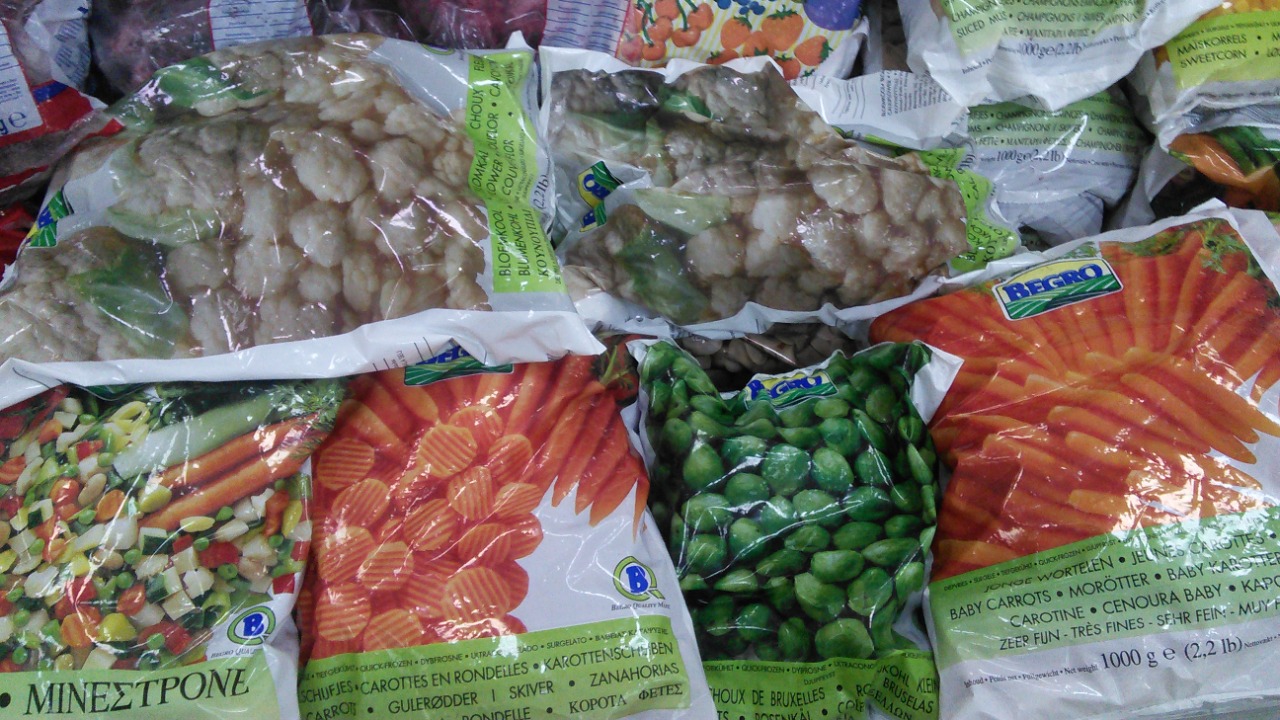
Allocating a specific area in your freezer for frozen vegetables can help households use them more efficiently, as found in a 2022 study. By having a dedicated space, you can easily see what vegetables you have on hand, making it more likely that you will incorporate them into your meals. This not only helps in reducing waste but also ensures that you are getting the nutritional benefits of these foods.
Frozen vegetables are a convenient and healthy option for many meals, but they can often be overlooked if not stored properly. By organizing them in a specific section of your freezer, you can keep track of your inventory and avoid purchasing duplicates. This setup also makes it easier to rotate your stock, ensuring that older items are used first. The study highlights the importance of organization in reducing food waste, as it allows for better meal planning and more efficient use of resources.
To further enhance the efficiency of using a dedicated space for frozen vegetables, consider organizing them by type or meal purpose. For instance, keep stir-fry vegetables in one section and soup ingredients in another. This categorization can simplify meal planning and ensure that you are using a diverse range of vegetables in your diet. Additionally, regularly checking the inventory of your frozen vegetables can prevent over-purchasing and ensure that older items are used first, reducing waste and promoting a balanced diet.
Clear Bins for Organizing Foods
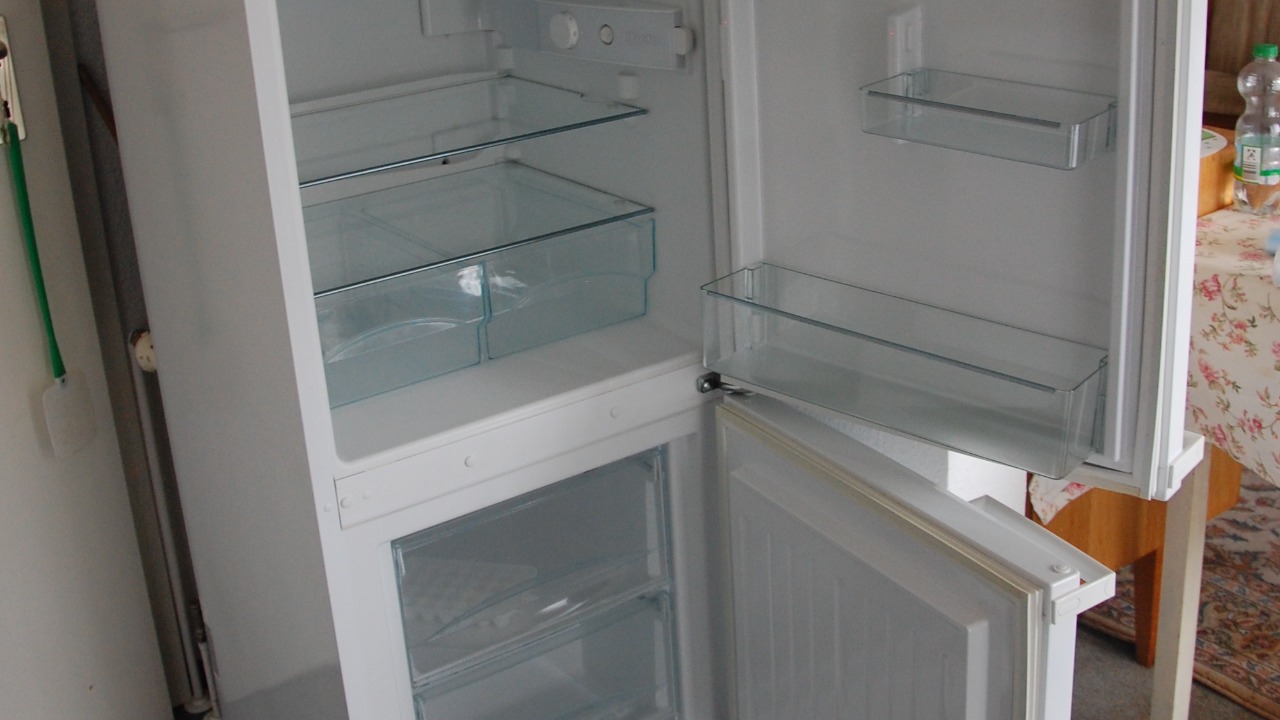
Using clear bins in your freezer can greatly enhance organization and help you see and use food before it spoils, according to a 2021 report. Clear bins allow you to quickly identify the contents, making it easier to find what you need without having to rummage through the freezer. This visibility is crucial in preventing food from being forgotten and wasted.
Clear bins also help in categorizing different types of food, such as meats, vegetables, and snacks, making it easier to maintain an organized freezer. By having a designated bin for each category, you can quickly assess what you have and what you need to use up. This system not only reduces waste but also saves time and effort when preparing meals. The report emphasizes the benefits of clear storage solutions in promoting efficient food use and minimizing waste.
To maximize the benefits of using clear bins, consider labeling each bin with its contents and the date items were added. This practice can further enhance visibility and organization, making it easier to keep track of what needs to be used first. Additionally, periodically reorganizing the bins can help ensure that older items are at the front, ready to be used. This proactive approach not only reduces waste but also ensures that your freezer remains a well-organized and efficient space for food storage.
Label and Date Containers
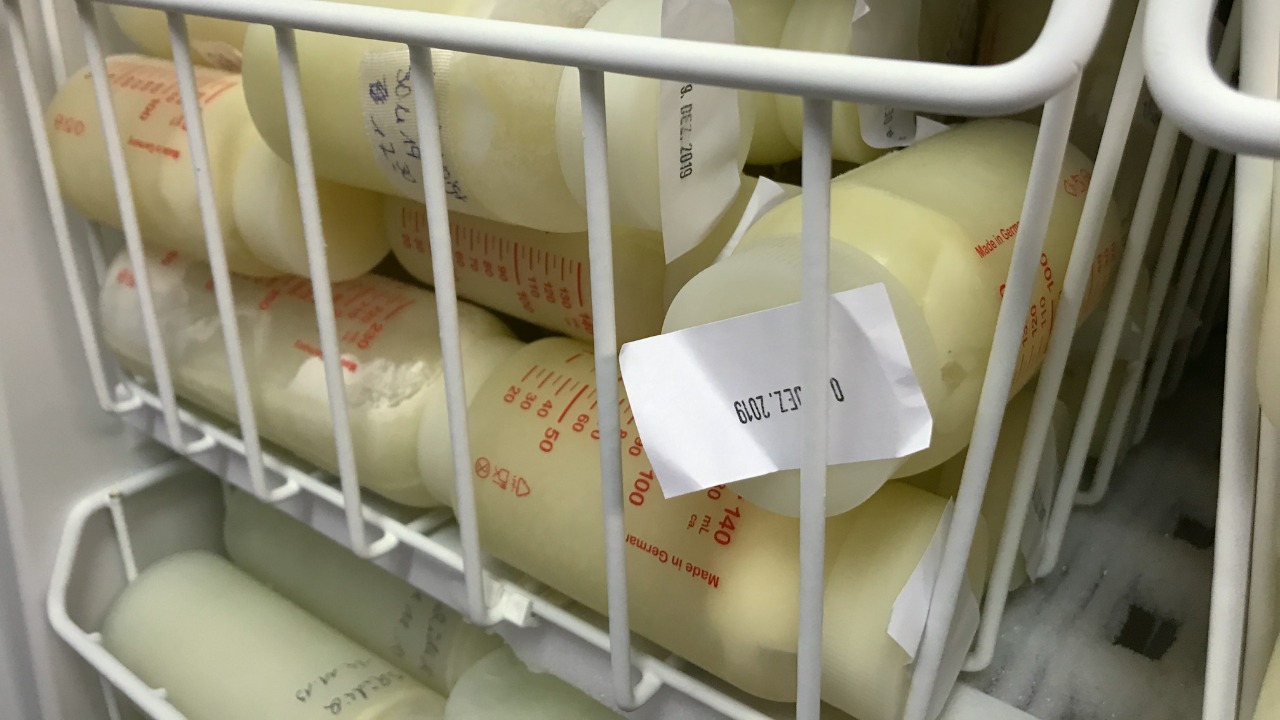
The National Resource Defense Council emphasizes the importance of labeling and dating containers to track food freshness. By clearly marking the contents and the date they were stored, you can easily monitor the age of your food and prioritize items that need to be used first. This practice is essential in reducing waste, as it prevents food from being forgotten and spoiling.
Labeling and dating containers also help in meal planning, as you can quickly identify what ingredients you have on hand and incorporate them into your meals. This not only reduces waste but also saves money by avoiding unnecessary purchases. The National Resource Defense Council highlights the role of proper labeling in promoting food safety and efficiency, as it ensures that food is consumed while still fresh and nutritious.
To further improve the effectiveness of labeling and dating containers, consider using color-coded labels to indicate different categories of food, such as red for meats and green for vegetables. This visual system can make it easier to quickly identify and prioritize items that need to be used soon. Additionally, incorporating a regular schedule for checking and updating labels can ensure that your inventory remains current, reducing the risk of food being forgotten and wasted. This practice not only enhances organization but also supports efficient meal planning and resource management.
Maintain Optimal Freezer Temperature

Maintaining a freezer temperature of 0°F is crucial for preserving food quality and preventing waste, as highlighted by the USDA. This temperature ensures that food remains frozen and safe to eat, reducing the risk of spoilage. By regularly checking and adjusting your freezer’s temperature, you can ensure that it is operating efficiently and effectively.
An optimal freezer temperature not only preserves the quality of your food but also extends its shelf life, reducing the likelihood of waste. The USDA emphasizes the importance of temperature control in food storage, as fluctuations can lead to spoilage and waste. By keeping your freezer at the recommended temperature, you can maximize the longevity of your food and minimize waste, ultimately saving money and resources.
To ensure your freezer maintains the optimal temperature, consider investing in a freezer thermometer. This tool can provide an accurate reading of the internal temperature, allowing you to make necessary adjustments. Additionally, keeping the freezer well-stocked can help maintain a consistent temperature, as the frozen items help to stabilize the environment. Regularly defrosting your freezer can also improve its efficiency, ensuring that it operates effectively and reduces the risk of temperature fluctuations that can lead to spoilage.

As a mom of three busy boys, I know how chaotic life can get — but I’ve learned that it’s possible to create a beautiful, cozy home even with kids running around. That’s why I started Cultivated Comfort — to share practical tips, simple systems, and a little encouragement for parents like me who want to make their home feel warm, inviting, and effortlessly stylish. Whether it’s managing toy chaos, streamlining everyday routines, or finding little moments of calm, I’m here to help you simplify your space and create a sense of comfort.
But home is just part of the story. I’m also passionate about seeing the world and creating beautiful meals to share with the people I love. Through Cultivated Comfort, I share my journey of balancing motherhood with building a home that feels rich and peaceful — and finding joy in exploring new places and flavors along the way.