

Cottage pie is a beloved comfort food, traditionally made with hearty ingredients that make it rich and satisfying. However, there’s a way to enjoy the familiar warmth and flavor of this dish without the heaviness. By reimagining the ingredients and preparation, one can create a lighter version of cottage pie that doesn’t skimp on comfort or taste.
The Essence of Cottage Pie

Cottage pie has its roots in the rural kitchens of the United Kingdom, where it emerged as a practical and economical dish. Traditionally, it was made using leftover roasted meat, typically beef, topped with a layer of mashed potatoes. This simple yet hearty meal became a staple for working-class families. The term “cottage pie” was first used in the late 18th century, reflecting its association with modest rural homes or “cottages” where such economical meals were common. Over time, it evolved to include a variety of ingredients, but the core elements of meat and potatoes remained central.
As a quintessential comfort food, cottage pie offers more than just sustenance; it provides a sense of warmth and nostalgia. Comfort foods like this are often linked to positive memories or traditions, making them emotionally satisfying. However, the traditional version of cottage pie can be calorically dense, with high levels of saturated fats and carbohydrates. A typical serving can contain upwards of 500 calories, with significant amounts of fat and sodium. While delicious, these nutritional factors make it a dish best enjoyed in moderation, prompting a desire to explore lighter alternatives.
Creating a Lighter Version

Reimagining cottage pie starts with a thoughtful consideration of its ingredients. One effective approach is to swap out fatty meats for leaner options like ground turkey or chicken. These alternatives provide similar flavors and textures while significantly reducing the calorie and fat content. For those seeking plant-based options, lentils or mushrooms can serve as excellent substitutes, offering a hearty texture and savory depth that mimics the traditional meat base. For inspiration, this healthy cottage pie recipe demonstrates the versatility of using plant-based proteins.
Another area ripe for modification is the potato topping. Traditional mashed potatoes are rich in carbohydrates and butter, contributing to the dish’s heaviness. To lighten this component, consider using cauliflower or sweet potatoes. Cauliflower provides a lower-carb alternative that can be mashed to a similar consistency, while sweet potatoes offer a naturally sweet and nutrient-rich option. Incorporating these alternatives not only reduces calories but also adds unique flavors and additional nutrients.
Adding more vegetables to the filling is another effective way to increase the nutritional value of cottage pie. Vegetables like carrots, peas, and bell peppers add bulk and texture, making the dish more filling without the need for excessive meat or potatoes. They also contribute essential vitamins and minerals, making the pie a more balanced meal. For a variety of ideas on how to integrate more vegetables into comfort foods, consider these healthy recipes.
Maintaining Comfort in a Lighter Dish
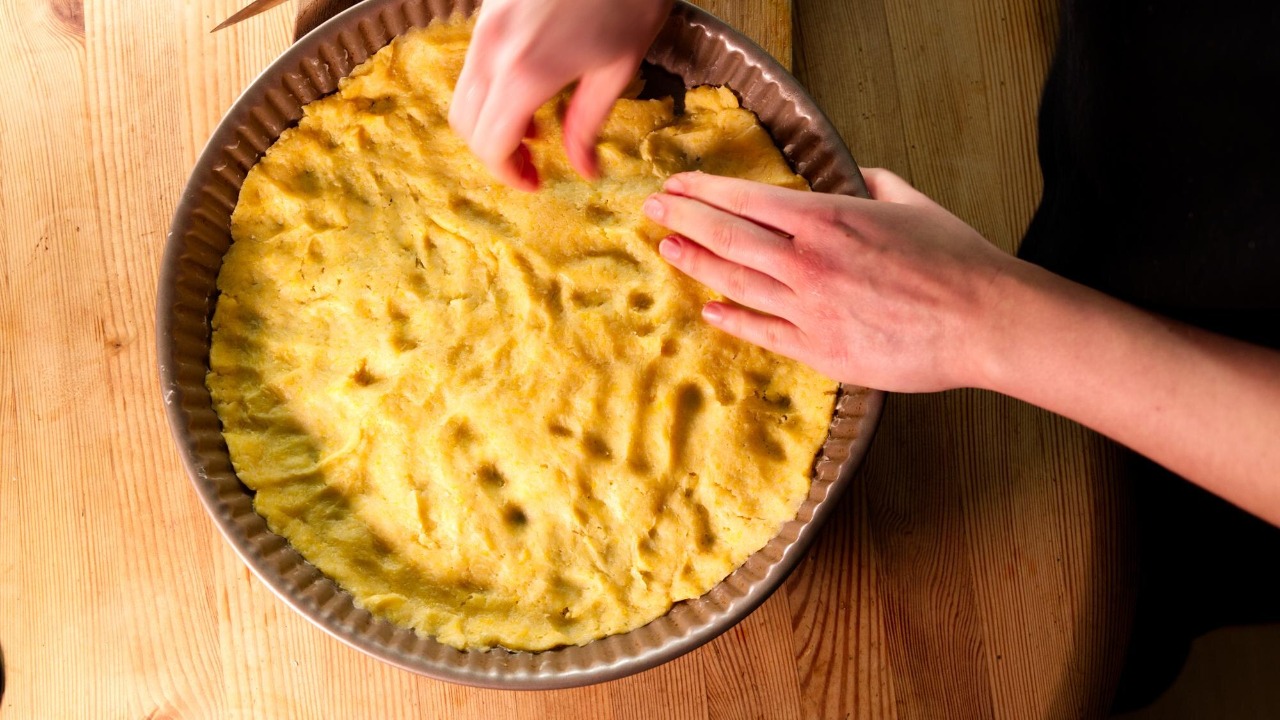
While altering ingredients can significantly change the nutritional profile of cottage pie, it is crucial to retain the dish’s comforting essence. Achieving this involves ensuring that the flavors remain robust and satisfying. This can be accomplished by using herbs and spices like thyme, rosemary, and garlic to enhance the taste profile. Additionally, incorporating a rich vegetable broth or a splash of Worcestershire sauce can deepen the flavor of the filling without adding extra calories.
Texture plays a vital role in the enjoyment of cottage pie. To achieve the right texture, it’s important to cook the filling until it’s tender and the flavors have melded together. The topping, whether made of potatoes or an alternative, should be creamy and smooth. When using substitutions like cauliflower, it’s essential to season and blend them well to mimic the texture of traditional mashed potatoes. Achieving the right texture ensures that the dish remains satisfying and true to its comforting roots.
Beyond taste and texture, the psychological comfort of cottage pie is also influenced by familiar aromas and presentation. The smell of a pie baking in the oven can evoke feelings of warmth and coziness. Serving the pie in a traditional dish or using a similar presentation can also help maintain its comforting appeal. These factors highlight the importance of not just the ingredients but the overall experience of enjoying cottage pie.
Recipe Inspiration
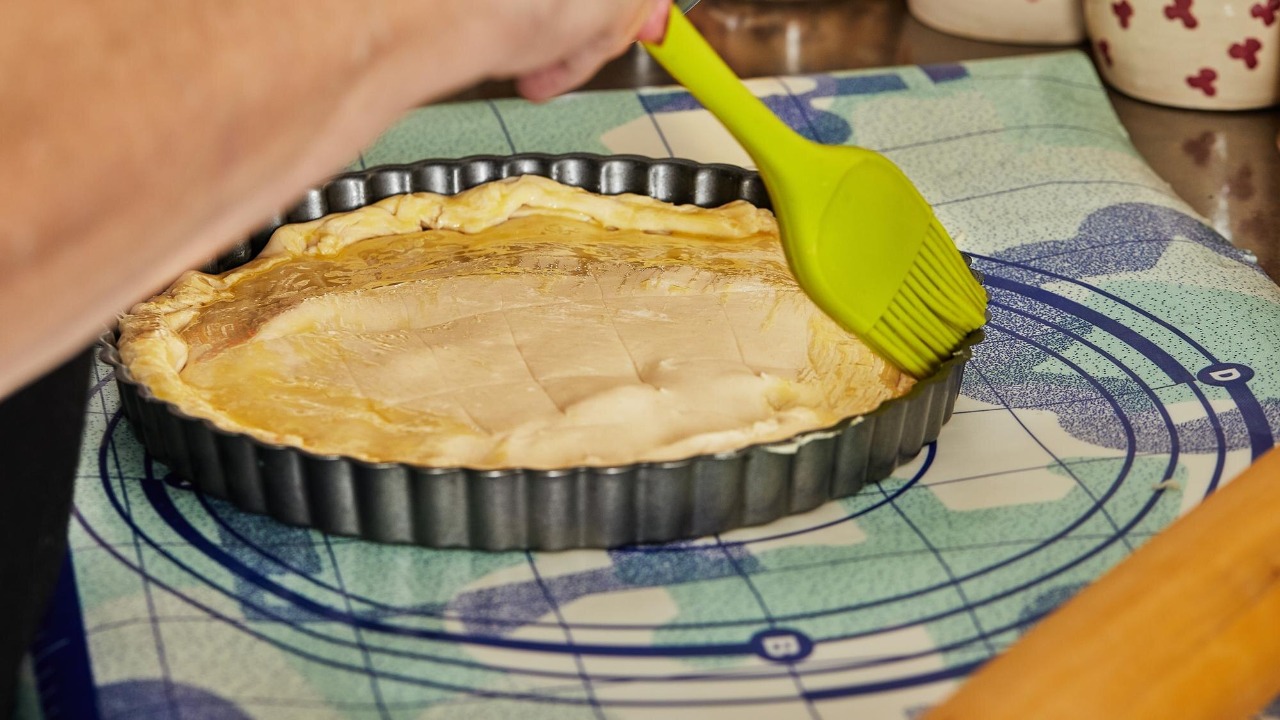
For those looking to try a lighter version of cottage pie, a classic recipe with a twist can be a great starting point. Begin by sautéing onions, garlic, and your choice of lean meat or plant-based protein. Add in a selection of vegetables like carrots, peas, and bell peppers. Season the mixture with herbs and a splash of broth for depth. Top with a layer of mashed cauliflower or sweet potatoes, and bake until golden. This method retains the essence of cottage pie while reducing its caloric impact.
For vegans and vegetarians, adapting the recipe is straightforward. Replace the meat entirely with lentils or a mix of mushrooms and walnuts for a rich, umami flavor. Use vegetable broth and ensure that all seasonings are plant-based. The result is a dish that respects the essence of cottage pie while aligning with dietary preferences. For more plant-based meal ideas, explore these vegan recipes.
Creating a family-friendly version of lighter cottage pie can also be a rewarding endeavor. Consider making individual servings in ramekins, which can be both fun and practical, allowing for easy portion control. This approach can appeal to both adults and children, making it an inclusive meal option that satisfies diverse tastes and dietary needs.
Tips for a Successful Lighter Cottage Pie
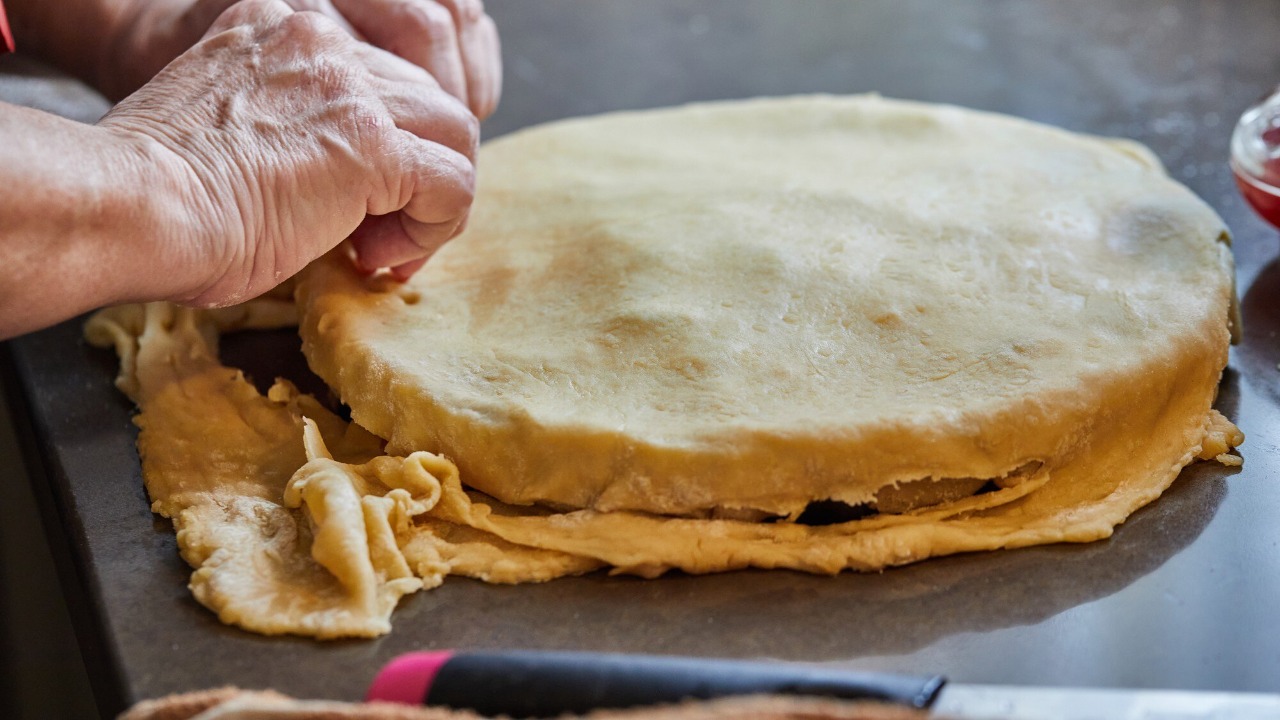
To ensure the best results when preparing a lighter cottage pie, consider some key cooking techniques. Sautéing vegetables and proteins thoroughly before assembling the pie helps develop rich flavors. When making the topping, whether it’s mashed potatoes or a substitute, ensure it’s well-seasoned and smooth. Baking the pie until the topping is lightly browned adds a pleasing texture and visual appeal.
Storage and reheating are important aspects of enjoying cottage pie as leftovers. Store any unused portions in airtight containers in the refrigerator. When reheating, cover the pie with foil to prevent drying out, and heat it in the oven until warmed through. This method ensures the pie remains delicious even the next day.
Pairing cottage pie with complementary sides and beverages can elevate the meal experience. A fresh green salad or steamed vegetables can add a refreshing contrast, while a glass of red wine or a non-alcoholic cider can complement the flavors of the pie. These pairings enhance the overall enjoyment of the meal, making it a well-rounded dining experience.
The Impact of Choosing Lighter Comfort Foods

Opting for lighter versions of comfort foods like cottage pie can have significant health benefits. Reducing the intake of saturated fats and excess calories can contribute to better heart health and weight management. Over time, these dietary changes can lead to improved overall wellness, making lighter comfort foods a sustainable choice for long-term health.
Beyond personal health, there are environmental benefits to choosing lighter and plant-based ingredients. Incorporating more vegetables and reducing meat consumption can lower the carbon footprint associated with meal preparation. This shift towards sustainability is increasingly important in the modern culinary landscape, aligning with broader environmental goals.
Finally, embracing lighter comfort foods encourages a mindful eating approach. By focusing on the flavors, textures, and aromas of the dish, one can fully appreciate their meal without the guilt often associated with indulgent comfort foods. This balanced approach fosters a positive relationship with food, promoting satisfaction and well-being. For more insights into the art of mindful eating, consider exploring this comprehensive guide.

As a mom of three busy boys, I know how chaotic life can get — but I’ve learned that it’s possible to create a beautiful, cozy home even with kids running around. That’s why I started Cultivated Comfort — to share practical tips, simple systems, and a little encouragement for parents like me who want to make their home feel warm, inviting, and effortlessly stylish. Whether it’s managing toy chaos, streamlining everyday routines, or finding little moments of calm, I’m here to help you simplify your space and create a sense of comfort.
But home is just part of the story. I’m also passionate about seeing the world and creating beautiful meals to share with the people I love. Through Cultivated Comfort, I share my journey of balancing motherhood with building a home that feels rich and peaceful — and finding joy in exploring new places and flavors along the way.
