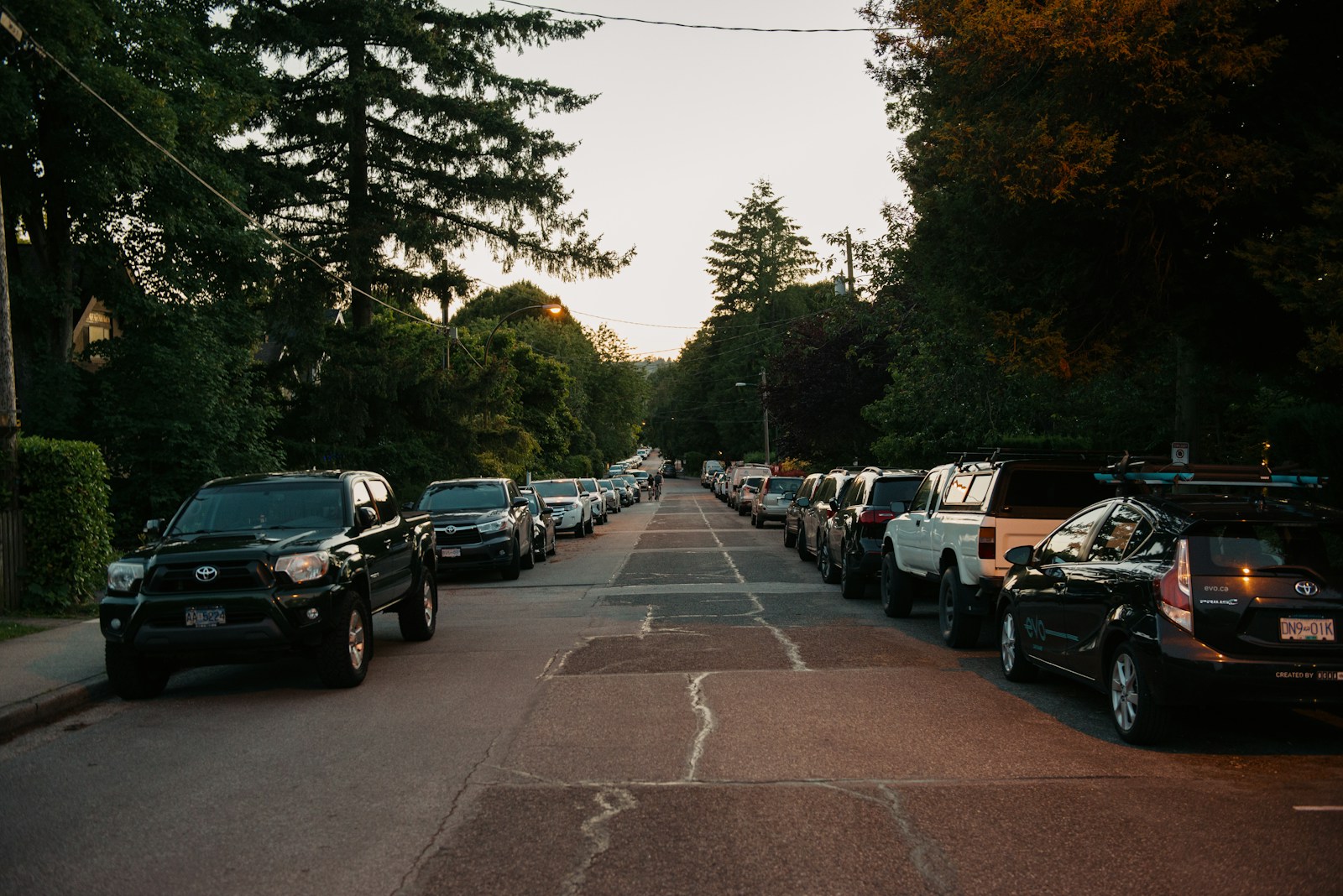
Scenes like this play out regularly on the tight private lanes that serve residential clusters near daycares and schools across the country. They feel small in the moment, but they sit at the intersection of property law, municipal towing rules, emergency access, and, in some cases, family court. As of spring 2026, the friction has only grown as more home-based and small-lot daycares operate on streets never designed for twice-daily traffic surges.
Private roads are not public streets, and the distinction matters
Drivers often see asphalt and assume public rules apply. On a private road, the residents or a homeowners’ association typically own the pavement, pay for its upkeep, and carry liability if someone is injured on it. That ownership comes with a specific legal tool: the right to control who parks there and under what conditions.
But that right is not unlimited. Most municipalities require property owners to follow formal procedures before a vehicle can be towed. In University City, Missouri, for example, the city has defended its towing policy by explaining that towing actions are carried out in accordance with strict rules covering illegally parked vehicles, cars blocking rights of way, and abandoned or improperly registered vehicles. A resident who skips those steps and calls a tow truck on impulse risks a wrongful-towing claim and, potentially, liability for damage to the vehicle.
The practical takeaway: owning the road does not mean you can have a car hauled away the moment it annoys you. You need signage, documentation, and usually a call to local authorities or an authorized towing company before anything moves.
The documentation habit that changes everything
Security and legal professionals return to one piece of advice more than any other: document before you act. Home-security guidance for residents dealing with blocked driveways recommends photographing or recording the obstruction before making any calls, because that evidence can prove exactly how access was blocked if the driver later disputes the tow or claims they were targeted.
Time-stamped footage from a doorbell camera or a mounted security camera is especially useful. It shows not just that a car was parked illegally, but for how long, and whether the driver was actively loading a child or had simply abandoned the vehicle. In a neighborhood where the same parents park in the same spot every afternoon, a week of footage can turn a “he said, she said” complaint into an undeniable pattern.
Signage works alongside cameras. Parking-enforcement guides recommend posting clear “No Parking” and “Private Property” signs as a foundational step, because those notices help justify towing and give police a clear basis for issuing tickets. Without signs, even an obvious violation can become difficult to enforce. In one Chicago-area case discussed in a community forum, the absence of posted signs was enough to deter police from ticketing a car parked in a private driveway, leaving the homeowner with no recourse.
Why the shouting match is the worst possible move
When a blocked resident honks and the offending driver responds with hostility, the confrontation almost never produces a useful outcome. The neighbor does not move the car faster. The children watching absorb a lesson in aggression. And if either party escalates to threats or physical contact, what started as a parking nuisance can become a police matter with real consequences.
The smarter play, according to nearly every towing and property-rights guide, is to skip the argument entirely. Take photos, note the plate number and time, and walk away. If the road is genuinely blocked and you cannot leave or enter your property, call local police non-emergency or 911 if emergency access is at stake. Let the system handle it. The documentation you already have will do the talking.
This is especially true near daycares, where emotions run high and parents are already stressed about schedules, child safety, and the daily logistics of drop-off. A calm, procedural response protects the resident legally and avoids the kind of viral parking-lot video that helps no one.
The piece most people overlook: the daycare’s responsibility
In many of these disputes, the daycare itself escapes scrutiny. But licensed childcare facilities typically must meet local zoning and traffic-management requirements as a condition of their permits. If a daycare’s pickup routine regularly causes cars to stack up on a private road, the facility may be violating the terms of its operating license or creating a nuisance that neighbors can raise with the local zoning board.
Residents who find themselves in repeated conflicts with daycare traffic often get better results by contacting the daycare director or owner directly, in writing, and copying the relevant municipal office. A paper trail showing that the business was notified and failed to act carries far more weight than a dozen horn-honking incidents.
When a parking fight follows you into family court
For separated or divorcing parents, a blowup at daycare pickup can have consequences well beyond the curb. Family-law attorneys who handle high-conflict custody cases say that public outbursts, especially in front of children, regularly surface in court filings. A parent who screams at a neighbor or dares them to tow the car while a child watches is handing the other parent potential evidence of poor judgment.
New Jersey family-law practitioners, for instance, note that in cases involving allegations of parental alienation, courts look for patterns where a child begins to act aggressively or becomes visibly distressed in one parent’s presence. Repeated hostile scenes at drop-off or pickup can feed into that pattern, particularly if the other parent or a neighbor documents them. Attorneys in these cases encourage clients to treat school and daycare zones as if a judge is watching, because in a custody dispute, someone very well might be.
For neighbors caught in the crossfire, this dynamic is worth understanding. A parking confrontation that seems personal may actually be entangled with a custody battle you know nothing about, which is one more reason to keep interactions brief, factual, and on the record rather than in someone’s face.
The bottom line
Parking disputes on private roads near daycares are not going away. The roads are too narrow, the pickups are too rushed, and the stakes feel too personal on both sides. But the residents who come out ahead are almost always the ones who invest in signage, cameras, and a calm routine rather than confrontation. Document first. Post signs. Contact the daycare in writing. Call authorities when access is truly blocked. And never, ever take the bait when someone dares you to tow their car in the middle of a screaming match. The law favors preparation, not volume.
More from Cultivated Comfort:
- 7 Retro Home Features That Builders Should Bring Back
- 7 Antique Finds That Are Surprisingly Valuable Today
- 7 Forgotten Vacation Spots Your Parents Probably Loved
- 6 Boomer China Patterns That Are Selling Like Crazy Online

As a mom of three busy boys, I know how chaotic life can get — but I’ve learned that it’s possible to create a beautiful, cozy home even with kids running around. That’s why I started Cultivated Comfort — to share practical tips, simple systems, and a little encouragement for parents like me who want to make their home feel warm, inviting, and effortlessly stylish. Whether it’s managing toy chaos, streamlining everyday routines, or finding little moments of calm, I’m here to help you simplify your space and create a sense of comfort.
But home is just part of the story. I’m also passionate about seeing the world and creating beautiful meals to share with the people I love. Through Cultivated Comfort, I share my journey of balancing motherhood with building a home that feels rich and peaceful — and finding joy in exploring new places and flavors along the way.