A Reddit user recently described saving $600 over several months to buy his girlfriend a banjo for her birthday. After an argument, he says she smashed the instrument in a fit of anger, then told him he should simply buy her another one. The post, which drew thousands of responses in early 2025, struck a nerve not because the details were unusual but because the pattern was so recognizable. When a partner deliberately destroys a meaningful gift and then expects a replacement, what do they actually owe, and what does the destruction really say about the relationship?
Why a $600 banjo is not just a $600 purchase
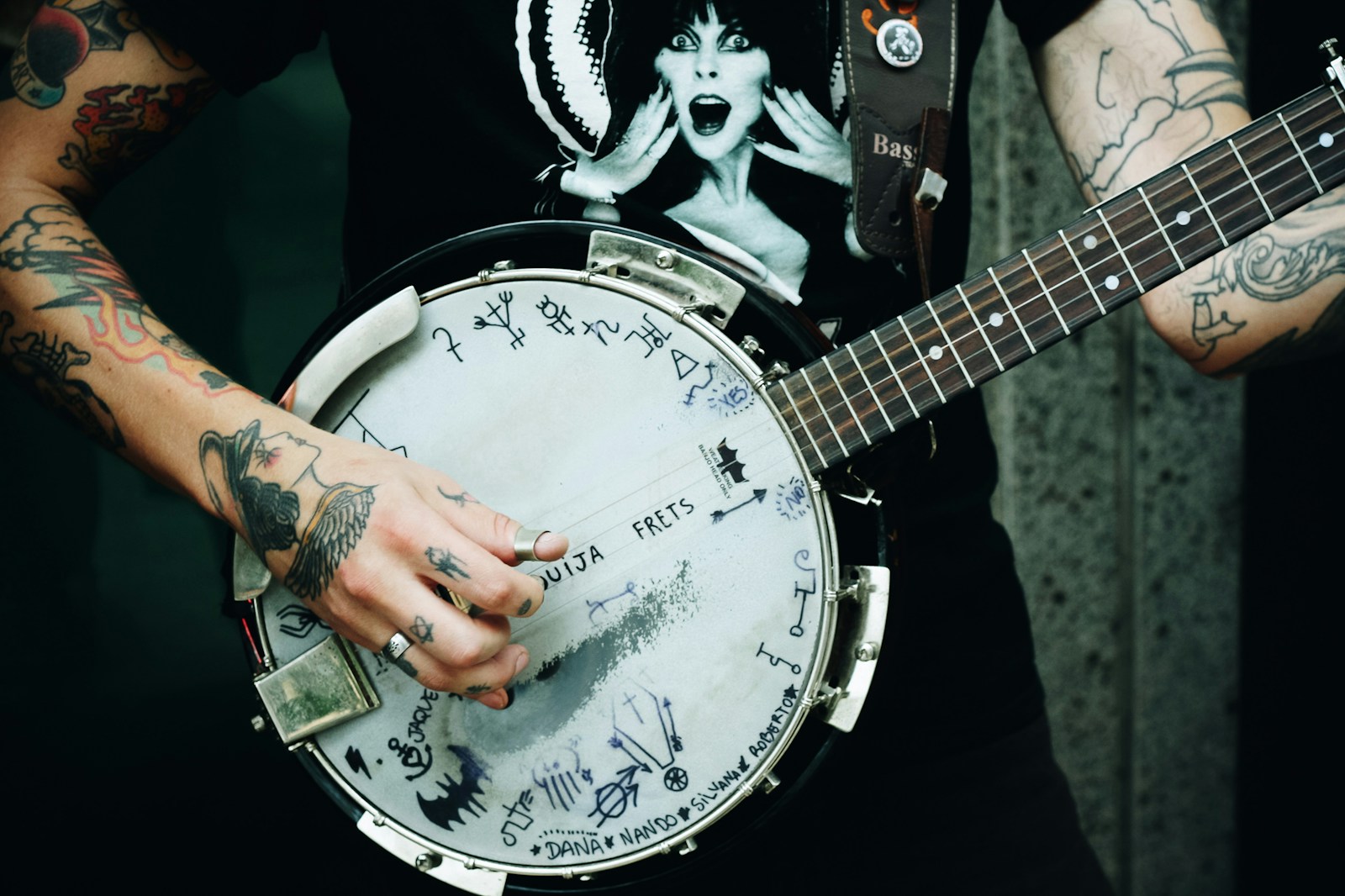
For many households, $600 set aside for a single gift represents weeks or months of deliberate sacrifice. That figure lands squarely in what banjo retailers and experienced players describe as the midrange: enough to get a solid, playable instrument, but nowhere near the $3,000-plus tier where brands like Deering and Gold Tone offer their top models. As one commenter in a r/banjo thread advised a spouse on a tight budget, “Get what you can afford and upgrade later if the hobby sticks.” The point is that $600 was not pocket change. It was a considered investment in someone else’s passion.
Musical instruments also carry emotional weight that most consumer goods do not. Choosing the right banjo for someone means thinking about their skill level, their playing style, and what will keep them motivated to practice. When a partner funds that kind of gift, the message underneath the wrapping paper is: I pay attention to what matters to you, and I am willing to back it with real money. Smashing that object does not just break wood and metal. It breaks the message.
Destroying a partner’s belongings is not just “losing your temper”
There is a significant difference between raising your voice during an argument and destroying something your partner treasures. According to the National Domestic Violence Hotline, deliberately breaking a partner’s possessions is a recognized form of emotional and psychological abuse. It functions as intimidation: even if the person never lays a hand on their partner, the destruction sends a clear signal about what could happen next.
That framing matters because many people minimize property destruction in relationships, treating it as a dramatic but forgivable outburst. Licensed therapists push back on that interpretation. Dr. Ramani Durvasula, a clinical psychologist known for her work on narcissistic behavior patterns, has noted that destroying a partner’s belongings during conflict is a control tactic, not a communication failure. The person doing the smashing is choosing a target that will cause maximum emotional pain, which is why sentimental and expensive items are so often the ones that get broken.
In the banjo scenario, the girlfriend did not throw a dish or slam a cabinet. She targeted the birthday gift her partner had spent months saving for. That specificity is what commenters found most alarming, and what separates a moment of poor impulse control from something more troubling.
Who pays when a partner breaks something?
Once the emotional dust settles, the financial question is straightforward in principle, even if it gets messy in practice. The general legal standard is simple: if you intentionally destroy someone else’s property, you are liable for the cost of replacement. In most U.S. states, a person whose belongings are destroyed by a partner can pursue reimbursement through small claims court, typically without needing an attorney. Filing fees are usually under $100, and the dollar threshold (often $5,000 to $10,000 depending on the state) easily covers a $600 instrument.
A widely discussed Reddit thread on r/TwoXChromosomes captured the common-sense version of this principle. The top response was blunt: “There is no change in that expectation just because the person who broke the item is a partner.” Whether the destruction was accidental or deliberate, the person who caused it is expected to make it right. When the destruction was intentional and anger-driven, the moral case for reimbursement only gets stronger.
What makes the banjo situation unusual is the reversal. The girlfriend did not offer to replace the instrument. She reportedly told the man he should buy her a new one. That expectation flips the basic accountability norm and puts the financial burden back on the person who already made the sacrifice.
When the response to destruction reveals more than the act itself
Relationship counselors often say that how a couple handles conflict matters more than the conflict itself. A partner who breaks something in anger, feels genuine remorse, and immediately takes steps to repair the damage is in a very different category from one who destroys a gift and then demands a replacement. The first scenario, while still concerning, leaves room for accountability and growth. The second suggests a pattern therapists associate with entitlement: the belief that one’s own emotions justify any behavior, and that the other person’s losses are not worth acknowledging.
In a separate Reddit thread, a man described his girlfriend trying to reclaim a sentimental item she had previously given him. The community response was decisive: once a gift is given, the giver does not get to unilaterally take it back or nullify it. The same logic applies in reverse. Once a gift is received, the recipient does not get to destroy it and then demand the giver start over from zero.
The broader pattern here is worth paying attention to. If a partner responds to their own destructive behavior by placing the burden of repair on the person they hurt, that is not a communication problem. It is a values problem. And it raises a question the original poster and anyone in a similar situation has to sit with honestly: is this a one-time rupture in an otherwise respectful relationship, or is it a preview of how every future conflict will go?
What a broken banjo really signals
The Reddit post resonated because most people understood, instinctively, that the story was never really about a banjo. It was about whether a partner respects what you bring to the relationship, both materially and emotionally. A $600 instrument saved for over months is a tangible record of someone choosing, again and again, to prioritize another person’s happiness over their own wants. Destroying that record in anger and then expecting it to be rebuilt without consequence is not a request for forgiveness. It is a test of how much someone is willing to absorb.
For anyone navigating a similar situation, the National Domestic Violence Hotline (1-800-799-7233) offers confidential support. Property destruction in a relationship is not a quirk or a bad habit. It is a pattern worth taking seriously, whether the item in question costs $6 or $6,000.
More from Cultivated Comfort:
- 7 Retro Home Features That Builders Should Bring Back
- 7 Antique Finds That Are Surprisingly Valuable Today
- 7 Forgotten Vacation Spots Your Parents Probably Loved
- 6 Boomer China Patterns That Are Selling Like Crazy Online

As a mom of three busy boys, I know how chaotic life can get — but I’ve learned that it’s possible to create a beautiful, cozy home even with kids running around. That’s why I started Cultivated Comfort — to share practical tips, simple systems, and a little encouragement for parents like me who want to make their home feel warm, inviting, and effortlessly stylish. Whether it’s managing toy chaos, streamlining everyday routines, or finding little moments of calm, I’m here to help you simplify your space and create a sense of comfort.
But home is just part of the story. I’m also passionate about seeing the world and creating beautiful meals to share with the people I love. Through Cultivated Comfort, I share my journey of balancing motherhood with building a home that feels rich and peaceful — and finding joy in exploring new places and flavors along the way.