Earlier this year, an anonymous post on a popular online forum struck a nerve with thousands of readers. A woman described hiding bulimia for 30 years while holding down a career and raising children. When she finally entered treatment, her mother-in-law accused her of being “unfair to the family” for refusing to share details of her recovery. The post, which drew more than 4,000 responses, became a flashpoint for a question that clinicians hear regularly: when someone with an eating disorder seeks help, who gets to know what?
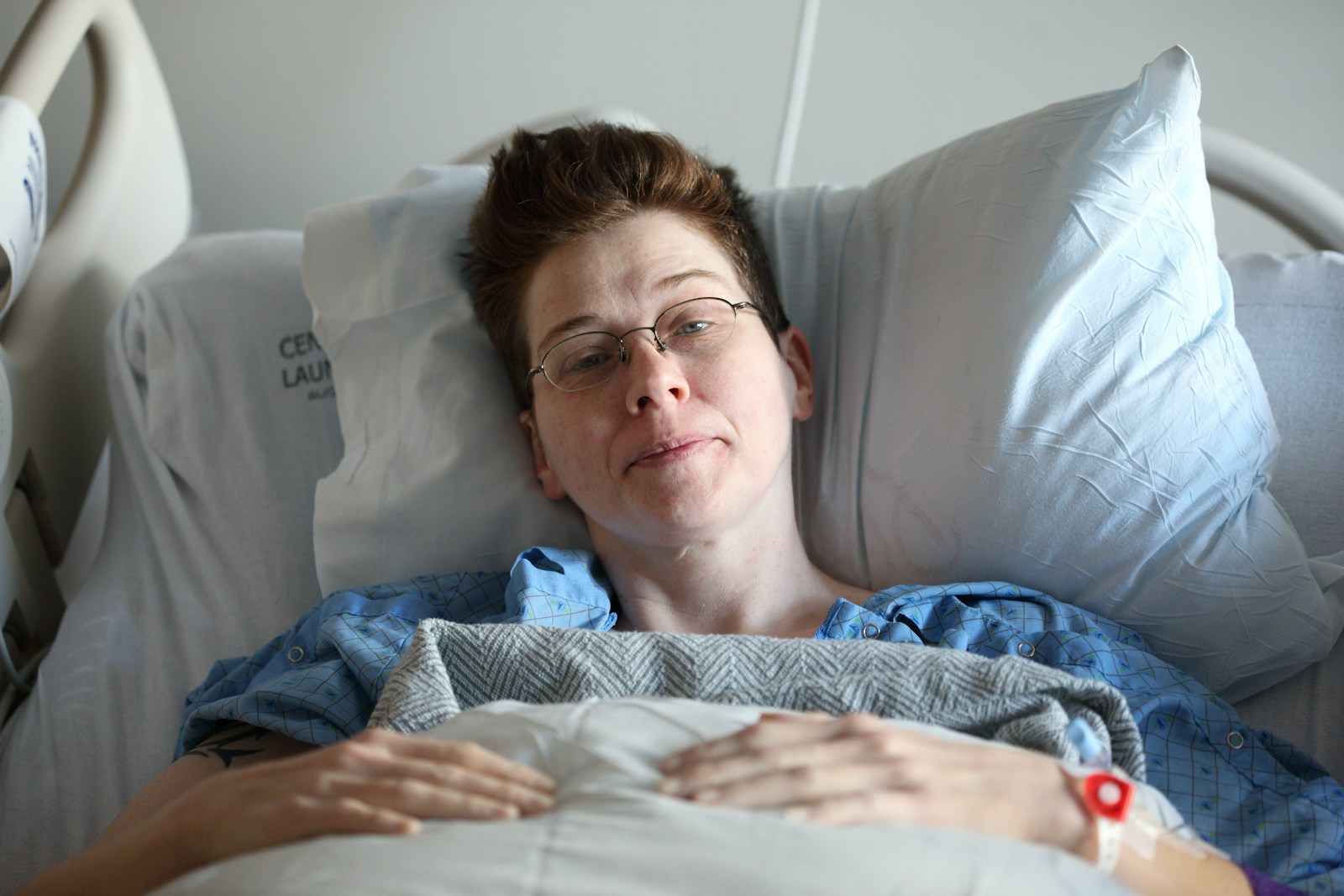
The answer, according to both medical ethics and current clinical guidelines, is clear. But in practice, families often struggle with it, and that struggle can put a patient’s recovery at risk.
What 30 years of bulimia does to a body and a life
Bulimia nervosa affects an estimated 1.5 percent of American women over their lifetimes, according to the National Institute of Mental Health. Many cases go undetected for years because, unlike anorexia, bulimia does not always produce visible weight loss. A person can maintain a typical body size while cycling through bingeing and purging episodes that quietly damage the heart, esophagus, kidneys, and teeth.
The medical consequences of long-duration bulimia are well documented. A 2020 review in the Journal of Eating Disorders found that chronic purging raises the risk of dangerous electrolyte imbalances, cardiac arrhythmias, and esophageal tears, with mortality rates for bulimia estimated between 1.7 and 4.5 percent across longitudinal studies. Dr. Cynthia Bulik, founding director of the University of North Carolina Center of Excellence for Eating Disorders, has described long-term bulimia as “a condition that rewires both the brain and the body,” noting that patients who have been ill for decades often face a harder path to recovery because the behaviors are deeply embedded in their stress-response systems.
That invisibility helps explain why some families react with disbelief, or even irritation, when the diagnosis finally surfaces. The illness was never absent. It was just hidden.
Why treatment privacy is not a personal insult
Intensive treatment for bulimia typically involves disclosing painful material: the specifics of binge-purge cycles, suicidal thoughts, sexual trauma, and family dynamics that may have contributed to the illness. Clinicians working within evidence-based frameworks such as cognitive behavioral therapy for eating disorders (CBT-E) and dialectical behavior therapy (DBT) ask patients to be radically honest in session. That honesty depends on the patient controlling who else hears it.
Confidentiality in psychiatric care is not a courtesy extended to cooperative patients. It is a legal and ethical requirement grounded in HIPAA regulations and reinforced by every major professional body, including the American Psychological Association and the American Psychiatric Association. As anthropologist Tanya M. Luhrmann documented in her ethnography of American psychiatric training, Of Two Minds, the therapeutic relationship depends on a “culture of confidentiality” in which the patient’s own narrative is protected, even when family members feel shut out.
When a relative frames that boundary as unfairness, the message a patient hears is: your need for safety matters less than our need for information. For someone already battling shame, that message can be enough to derail treatment.
The gap between concern and control
Not every family member who asks for updates is acting in bad faith. Many are genuinely frightened. But clinicians draw a sharp line between concern and control, and the distinction matters.
Concern sounds like: “I love you. I don’t need details, but is there anything practical I can do?” Control sounds like: “You owe us an explanation. We deserve to know what’s happening in your sessions.”
Research on expressed emotion (EE) in families of eating disorder patients, a body of work stretching back to the 1990s and updated in a 2019 meta-analysis published in Clinical Psychology Review, consistently shows that high levels of criticism, hostility, and emotional over-involvement from relatives predict worse treatment outcomes and higher relapse rates. The mother-in-law’s complaint in the viral post, that the patient was being “unfair to the family,” fits squarely into the pattern researchers describe as emotional over-involvement: a stance that centers the relative’s distress rather than the patient’s medical needs.
Stigma compounds the problem. A 2023 survey by the National Association of Anorexia Nervosa and Associated Disorders (ANAD) found that fewer than half of people with eating disorders ever seek treatment, with shame and fear of family judgment cited among the top barriers. When families treat a diagnosis as a disruption to household harmony rather than a health crisis, they reinforce exactly the silence that kept the illness hidden for years.
What helpful family involvement actually looks like
Family-based treatment (FBT), sometimes called the Maudsley approach, is the gold standard for adolescents with anorexia and has been adapted for younger bulimia patients. It places parents in an active role around meals and weight restoration. But clinicians are careful to note that FBT was designed for adolescents still living at home, not for adults with decades-long illness histories. For adults, the evidence favors individual therapies such as CBT-E, with family involvement calibrated to the patient’s comfort and clinical judgment.
That does not mean relatives are irrelevant. The most effective family support, according to guidelines from the NIMH and clinician-educators like Bulik, follows a few consistent principles:
- Ask the patient what kind of help feels safe, and respect the answer.
- Offer practical support: rides to appointments, help with childcare, preparing meals that align with a treatment plan.
- Avoid commenting on weight, food intake, or physical appearance.
- Do not treat therapy details as family property.
- Seek your own education. Organizations such as ANAD and Mental Health America offer free resources for families navigating a loved one’s eating disorder.
The common thread is a willingness to tolerate not knowing everything. For families accustomed to openness, or to a version of openness that is really surveillance, that tolerance can feel unnatural. But it is what the evidence supports.
Reframing fairness around the person in treatment
The word “unfair” in the mother-in-law’s complaint deserves a closer look. After 30 years of carrying a life-threatening illness alone, the woman in the post was, for the first time, asking for something: space to recover without performing her pain for an audience. Fairness, in any meaningful sense, would mean granting that request.
Clinicians who work with long-term eating disorder patients often coach them on boundary language. A script as simple as “I’m in treatment with professionals I trust, and I’m not comfortable sharing more right now” can be repeated without elaboration. It is not rude. It is not evasive. It is a patient exercising the same right to medical privacy that anyone with a cardiac condition or cancer diagnosis would expect without question.
The gap between how society treats psychiatric illness and how it treats other medical conditions remains wide, but it is not fixed. Every family that learns to sit with discomfort instead of demanding disclosure helps close it. And every patient who protects her own recovery, even when relatives push back, is doing something that 30 years of secrecy never allowed: putting her health first.
More from Cultivated Comfort:
- 7 Retro Home Features That Builders Should Bring Back
- 7 Antique Finds That Are Surprisingly Valuable Today
- 7 Forgotten Vacation Spots Your Parents Probably Loved
- 6 Boomer China Patterns That Are Selling Like Crazy Online

As a mom of three busy boys, I know how chaotic life can get — but I’ve learned that it’s possible to create a beautiful, cozy home even with kids running around. That’s why I started Cultivated Comfort — to share practical tips, simple systems, and a little encouragement for parents like me who want to make their home feel warm, inviting, and effortlessly stylish. Whether it’s managing toy chaos, streamlining everyday routines, or finding little moments of calm, I’m here to help you simplify your space and create a sense of comfort.
But home is just part of the story. I’m also passionate about seeing the world and creating beautiful meals to share with the people I love. Through Cultivated Comfort, I share my journey of balancing motherhood with building a home that feels rich and peaceful — and finding joy in exploring new places and flavors along the way.