Twenty-six percent of U.S. singles now say artificial intelligence is part of how they date, up 333% from a year earlier, according to Match and The Kinsey Institute’s 14th annual Singles in America study. The survey of 5,001 U.S. singles ages 18 to 98 called it the most dramatic shift in this year’s findings, and the generational split explains why: nearly half of Gen Z daters have already used AI somewhere in their dating life, more than any other age group. That is not a niche behavior anymore. It is a rewrite of the tools people reach for when they are trying to find someone.
What Singles Are Actually Doing With It
The AI use isn’t abstract. Singles told Match and The Kinsey Institute they’re using it to build stronger dating profiles, draft opening messages that actually land, and screen potential matches for compatibility before they ever commit to a first date. Each of those is a task daters used to do alone, often badly — the blank-page panic of writing a bio, the guesswork of a first message, the slow trial-and-error of figuring out if someone is actually compatible or just photogenic. AI collapses that labor into something faster.
The Bigger Ask: Let AI Choose
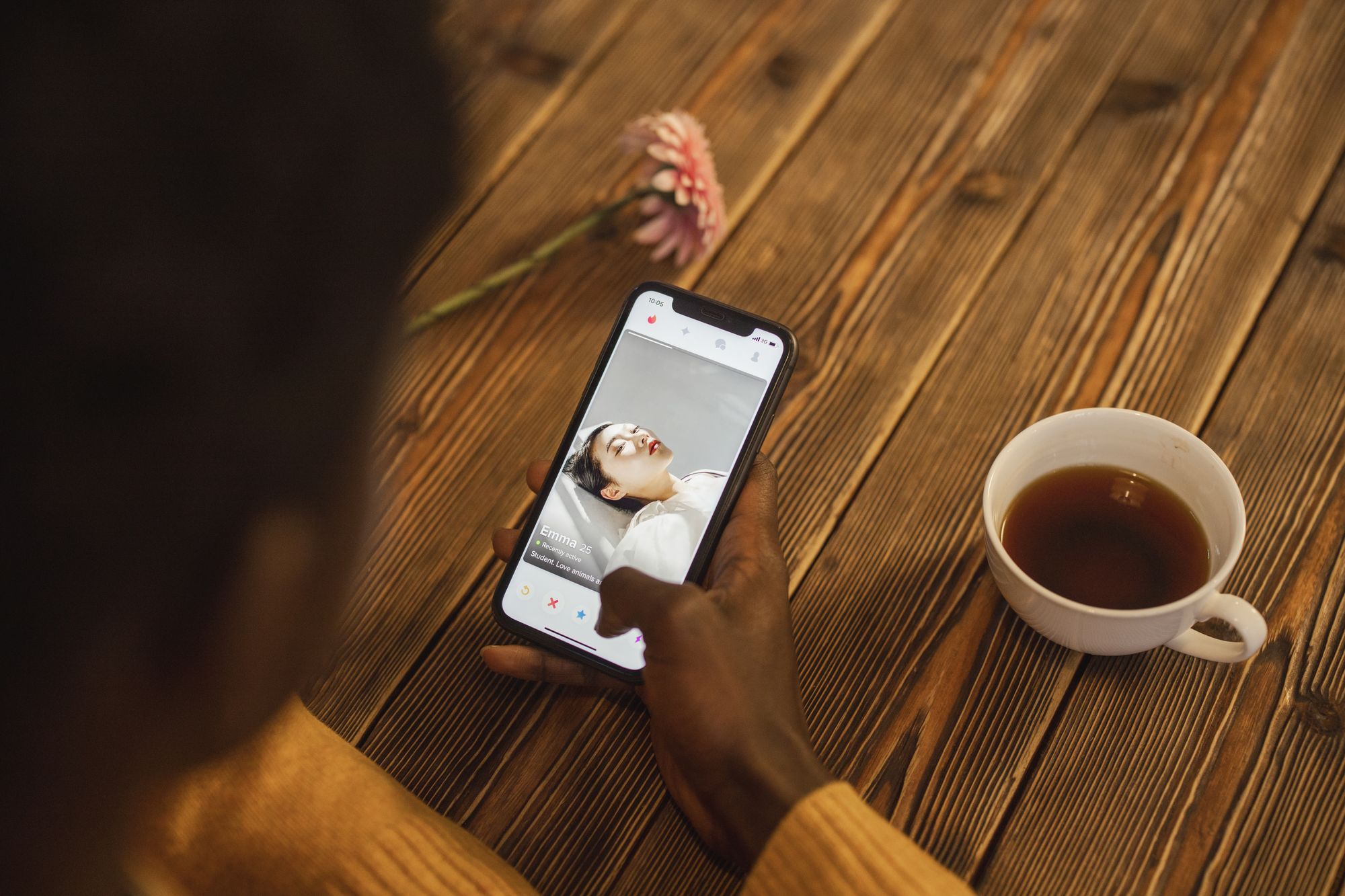
Here’s where the shift stops being about convenience and starts being about control. Forty-four percent of singles in the same study said they want AI to actively filter their matches — not just help polish a profile, but decide who’s worth their time in the first place. Forty percent want AI to build the “perfect” profile for them outright, according to the same research. Gen Z is driving that appetite: this is the generation that grew up letting algorithms pick their music, their news, and their next binge-watch, so handing romantic vetting to software is less a leap than a habit extending into a new category.
A Reversal From Just a Few Years Ago
That level of trust looks strange next to where public opinion sat not long ago. In a nationally representative survey fielded in 2022, Pew Research Center found only 21% of U.S. adults believed dating algorithms could actually predict romantic compatibility — 35% said they couldn’t, and 43% weren’t sure either way. Three years later, nearly half of singles are actively asking software to do exactly that job. The skepticism hasn’t necessarily disappeared; it’s more likely that dating fatigue outpaced it. When you’ve swiped through hundreds of profiles and gone on dates that fizzled in the first ten minutes, “I don’t fully trust this” starts to lose out to “I’m tired enough to try it.”
Why the Jump Happened Now
A 333% year-over-year increase doesn’t happen because people suddenly changed their minds about love. It happens because the tools got dramatically easier to use. Writing assistants, photo screening, and compatibility-scoring features moved from niche apps into mainstream ones over the past year, lowering the barrier from “I’d need to seek this out” to “it’s already sitting in the app I use every day.” Access, not conviction, tends to be what moves adoption curves that steep.
What This Actually Means for Daters
The most telling number in the whole study isn’t the 26% who’ve used AI — it’s the gap between that figure and the 44% who want to go further and let it choose for them. Usage is already outpacing comfort, which is usually a sign that the real driver isn’t enthusiasm for the technology itself. It’s exhaustion with the volume of choice modern dating apps created in the first place. Singles didn’t ask for infinite matches to sort through by hand; the apps gave them that anyway, and now they’re reaching for anything that promises to hand some of that sorting back.
What comes next matters more than the adoption number itself. If AI filtering genuinely surfaces better-matched people, singles who lean on it may date less and connect more — fewer first dates, but ones worth having. If it just automates the same volume-based matching that caused the fatigue to begin with, singles will have swapped one overwhelming system for a faster version of it. Either way, the data makes one thing clear: the era of dating apps positioning AI as a novelty add-on is over. For a growing share of singles, especially the youngest ones, it’s already the default.