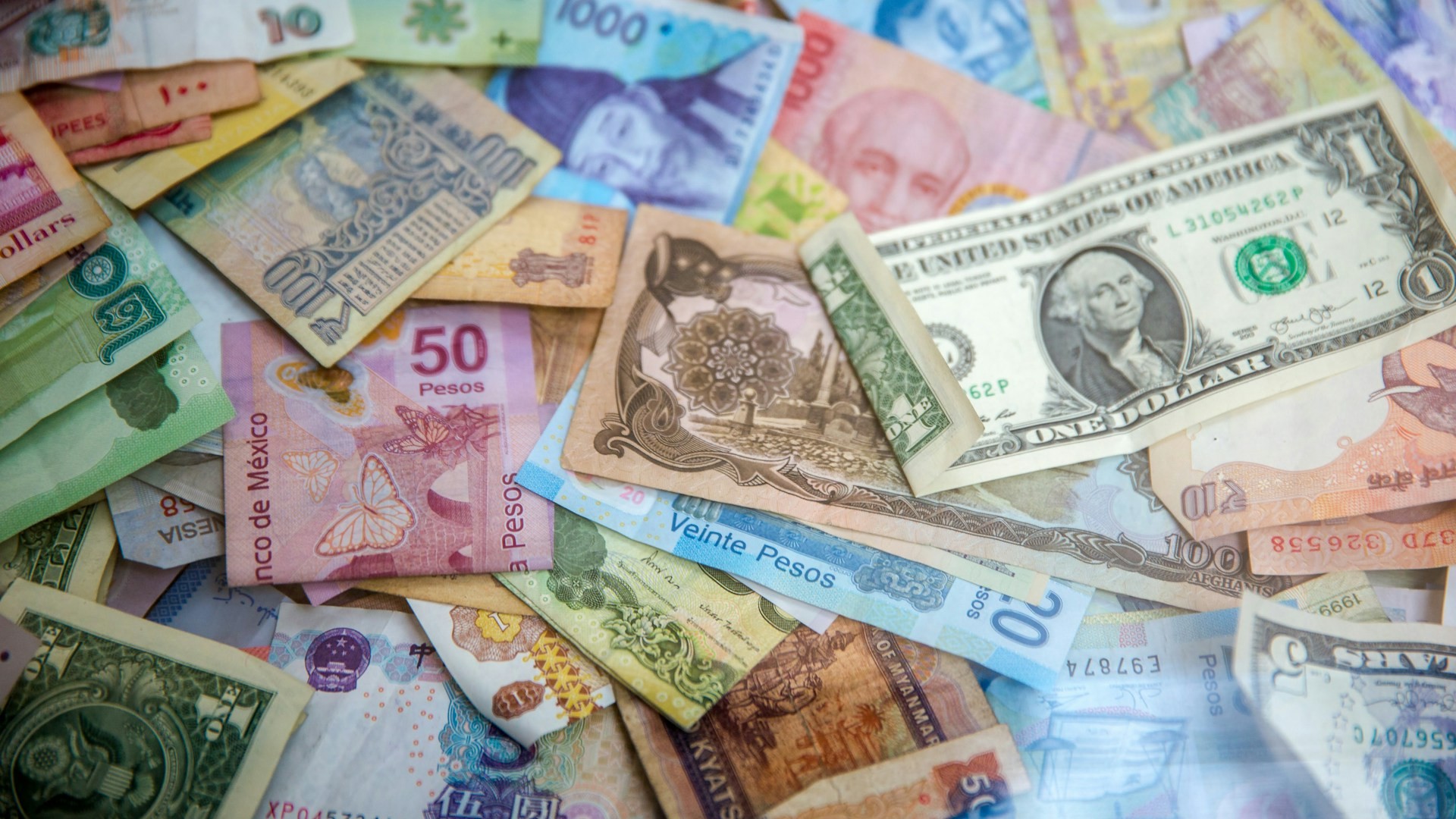
You land after a long flight, tired and ready for your vacation, and there it is: a bright currency booth with a sign promising “No Commission.” It feels like a convenient, honest way to get some local cash before you leave the airport.
Before you hand over your dollars, take a closer look. A booth that charges no commission can still cost you money, because the price is often tucked into the exchange rate itself.
That worse rate is the whole trick, and travelers who understand it can keep more of their vacation budget for the fun parts of the trip.
“No Commission” Does Not Mean “No Cost”
Every currency exchange has to make money somehow. If a booth skips the visible fee, it can earn its profit by offering a rate that is less favorable than the one you see on the news or a banking app.
The difference is the margin. You may give up a few cents on every dollar, and since you do not see a line labeled “fee,” it is easy to miss.
The same is true of a “zero fee” sign on a street kiosk in a busy tourist area. The bold promise grabs attention, while the rate in smaller print does the real work.
Why Airports And Tourist Areas Are The Costliest Spots
Booths in airports and crowded tourist zones are built for convenience, and travelers pay for that convenience. People arriving in a hurry rarely stop to compare, and sellers know it.
Rent in these locations is high, and shoppers have few alternatives nearby. Those conditions make it easier for a booth to offer a weaker rate than a bank or an ATM in town.
That does not mean every booth is a rip-off. It means you should treat the airport booth as a last resort, not your first stop.
How To Check Whether You Are Getting A Fair Rate
The simplest test is to look up the current mid-market rate before you travel. Search for it online or in a currency app, and keep that number in your head or on a note in your phone.
Then compare it with what the booth is offering. If the rate on the sign is far from the number you looked up, the difference is what you are paying for the service.
Ask the teller for the exact amount of local currency you will receive for your dollars after every charge. A clear number in your hand is the best way to compare options.
Cheaper Ways To Get Foreign Cash Before Your Trip
For most travelers, the best deal is not a booth at all. Several common options tend to give a fairer rate, and it pays to check them before you leave home.
- Withdraw cash from a bank ATM in your destination, which typically gives a rate close to the market rate. Check what your own bank charges for the withdrawal first.
- Ask your bank whether it can order foreign currency ahead of time, and compare the rate and any fees it quotes.
- Use a credit card with no foreign transaction fees for purchases wherever cards are accepted.
- Carry only a small amount of local cash for taxis, tips and small shops.
Watch For Foreign Transaction Fees On Your Cards
Your cards may add their own charges abroad. The Consumer Financial Protection Bureau explains what a foreign transaction fee is, and it is worth reading before you go.
These fees are charged by some card issuers when you make a purchase in another country or in a foreign currency. Not every card has one, so check your card’s terms or call the number on the back.
If your regular card charges the fee, consider bringing a different card for the trip. A small change can save a bit on every meal and souvenir.
A Warning About Dynamic Currency Conversion
Abroad, a card machine or ATM may offer to charge you in your home currency instead of the local one. It sounds helpful, since you can see the dollar total up front.
That service often comes with a less favorable exchange rate, so many travel experts advise choosing the local currency when given the choice. Think of it as one more place where convenience can quietly cost more.
If you are unsure which option to pick, decline the conversion and pay in the local currency. You can always check your statement later.
Plan Ahead So You Never Need The Booth
The best way to avoid a poor rate is to plan before you fly. Decide how much cash you will need for the first day, and arrange it through your bank or your first ATM stop.
Keep a little cash in the local currency from a previous trip if you have it, and set aside time to compare rates before you leave. A quick call to your bank can answer most questions in minutes.
If you do need to use a booth in an emergency, change only what you need to get to your hotel. Then switch to a cheaper option once you are settled.
The Bottom Line For Smart Travelers
A sign that says “No Commission” is advertising, not a guarantee of a fair deal. The cost is often built into the exchange rate, where it is far harder to spot.
Compare the rate with the market rate, check your card’s fees, and use a bank ATM or advance order when you can. Those habits keep more of your vacation money for the things you came to enjoy.
Take a minute before your next trip to make a simple plan. Your wallet will thank you long after the suitcase is unpacked.
More Stories You May Like
- The Rental Car Counter Upsell On Insurance And Prepaid Fuel Is Where Travelers Lose Money So Check Your Own Coverage First
- 6 Costs to Settle Before Sharing a Cruise Cabin or Hotel Room With Friends So Money Does Not Quietly End a Friendship on Vacation
- 5 Ways to Set a Secret Santa Limit Before Cost Creep Makes the Office and Family Gift Swap Feel Unfair to Everyone Who Joins In