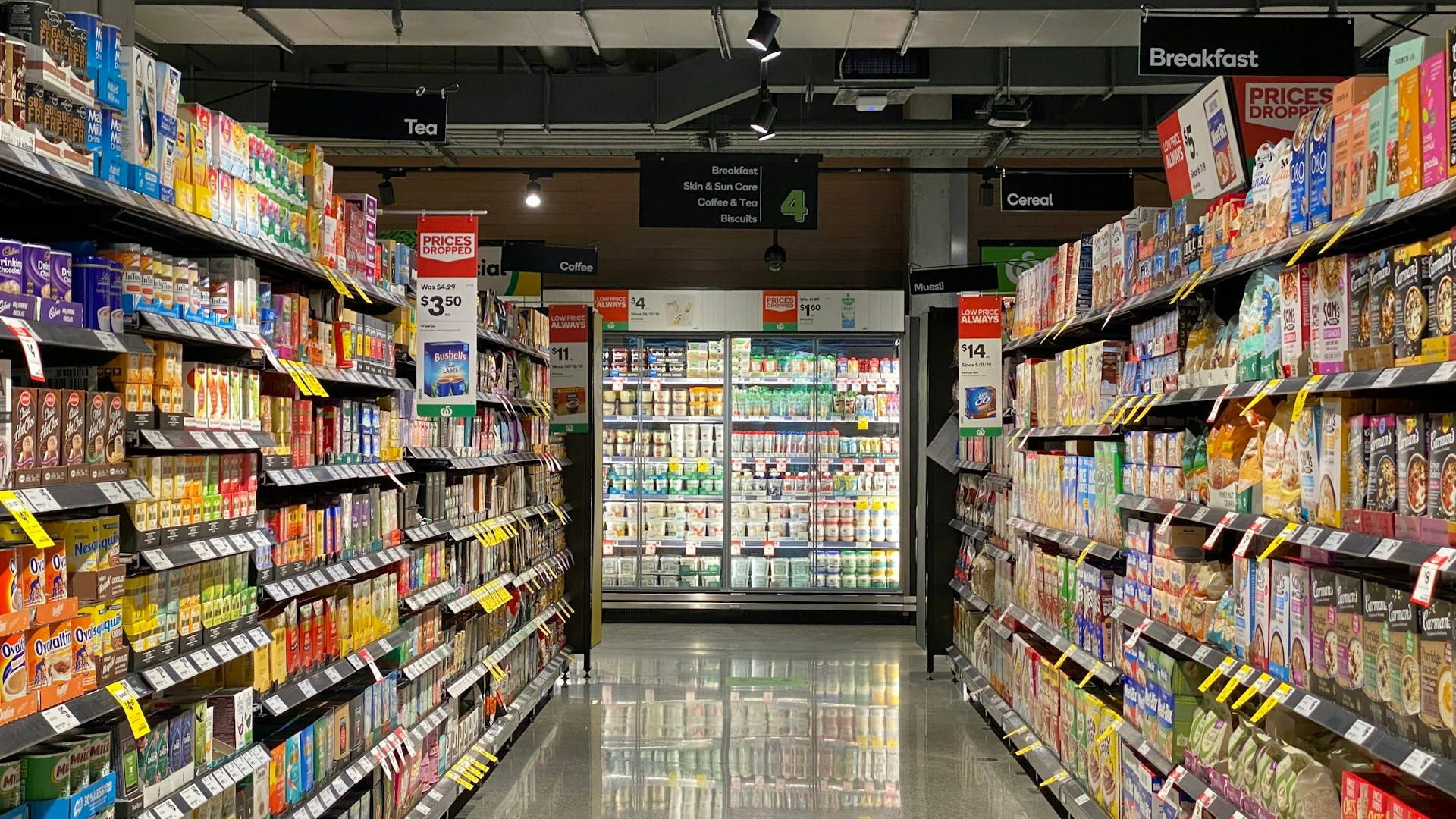
You turn the corner at the grocery store and there it is: a giant sign shouting “10 For $10.” The display is stacked high, the price looks like a steal, and your hands are already reaching for a cart full of cans, boxes or yogurt cups.
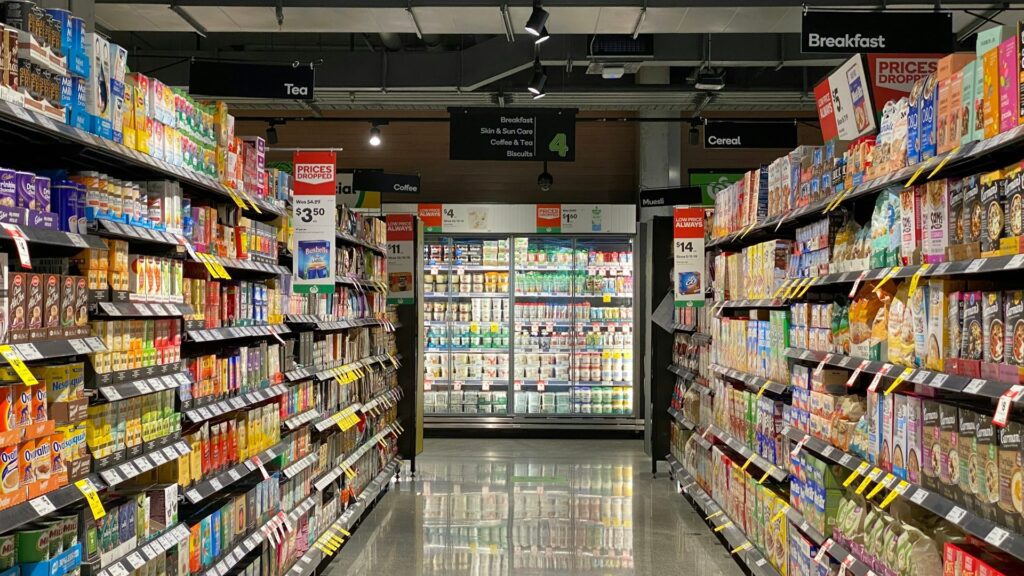
Stop for a moment before you grab all ten. In many stores, a sign like that does not mean you must buy ten to get the sale price.
The rules vary from store to store, so the smartest move is to read the fine print on the shelf tag and do a little quick math.
“10 For $10” Often Just Means $1 Each, With No Minimum
At many grocery chains, a multi-buy sign is really a way of announcing a per-item price. Ten for $10 works out to $1 each, and the register may charge that price whether you pick up one item or ten.
That is not true everywhere, and some promotions do require you to buy the full quantity. The tag or a small line of text on the sign is where the store spells out the terms.
The bright sign is designed to catch your eye and make you feel you must stock up. Quiet fine print is what actually tells you how the deal works.
Why Stores Love A Big Number On A Display
Stores know that shoppers respond to round numbers and big displays. A tall stack of products at the end of an aisle, often called an end-cap, makes a price feel like a special event.
Shoppers tend to assume anything on a prominent display is a bargain. In reality, the item on the end of an aisle is not always the cheapest option, and a similar product on a regular shelf can sometimes cost less.
A cart filled because of a sign can also lead to more spending overall. Buying ten of something you only needed one of is no savings if half of it goes unused.
Do The Unit Price Math Before You Fill The Cart
The shelf tag usually shows a unit price, which is the cost per ounce, pound, sheet or count. The Federal Trade Commission explains how to make unit price comparisons, and it is one of the best habits a shopper can build.
Unit prices let you compare different sizes and brands on equal footing. A larger package labeled as a sale may cost more per ounce than a smaller one sitting right beside it.
Check the unit price on the sale item, then check it against the store brand and the regular-size version. Thirty seconds of reading can save real money over a year of grocery trips.
Watch For Fine Print Like Member Cards And Limits
Some deals apply only if you use the store’s loyalty card or app. Others set a limit on how many you can buy, and a few require a minimum purchase to unlock the price.
If you skip the card, the shelf price may be higher than the sign suggests. The terms are usually printed on the tag, though in small letters that are easy to miss.
When in doubt, scan the item at a price checker if the store has one, or ask a store employee. A friendly question at the service desk is always cheaper than a surprise at the register.
Smart Habits To Beat The Sale Sign
- Pick up one item first and check its price on the shelf tag or a price scanner.
- Read the small print for minimum quantities, purchase limits and member-only terms.
- Compare the unit price against the store brand and other sizes.
- Ask yourself if you will use all ten before they expire or go stale.
- Check your receipt before you leave, since a mistake at the register is far easier to fix right then.
Only Stock Up On What You Will Really Use
Buying in bulk makes sense for shelf-stable items you eat regularly, like canned vegetables, pasta or rice. A good sale can be a smart time to fill the pantry with those staples.
It makes much less sense for fresh foods, dairy or anything with a short date. A bargain you throw away is not a bargain.
Keep a short list and a rough idea of what you use in a week. A list protects you from the pull of a flashy display far better than willpower alone.
What To Do If You Are Charged The Wrong Price
If the register rings up a different price from the sign, speak up politely right away. Point to the shelf tag, and ask the cashier or a manager to check it.
Policies for pricing errors differ by store, so there is no single rule that applies everywhere. Keeping your receipt and reading it before you walk out gives you the best chance of fixing a problem on the spot.
It is also worth snapping a quick photo of the sign and tag if something looks off. A picture is simple proof of what the store advertised.
The Bottom Line On “10 For $10” Deals
A big sale sign is meant to make you feel you must buy a lot. Often the real deal is just a plain per-item price, and buying one is perfectly fine.
Terms vary by store, so take a moment to read the tag, check the unit price and think about what your household will actually eat. That small habit protects your budget far better than any coupon.
Next time you see a towering display with a splashy number, take a breath and a good look at the tag. The best grocery deal is the one that fits your list, not the one that fills your cart.
More Stories You May Like
- 6 Questions to Ask Before Trusting Hotel Free Breakfast and Free Parking Claims That Often Come With Limits Hidden in the Fine Print
- That Restaurant Reservation Deposit Or No Show Fee Is Buried In The Fine Print And Missing The Cancel Window Can Cost You
- 5 Ways to Protect Your Savings and Your Relationships Before Lending Money to Family and Friends Quietly Damages Both of Them for Good