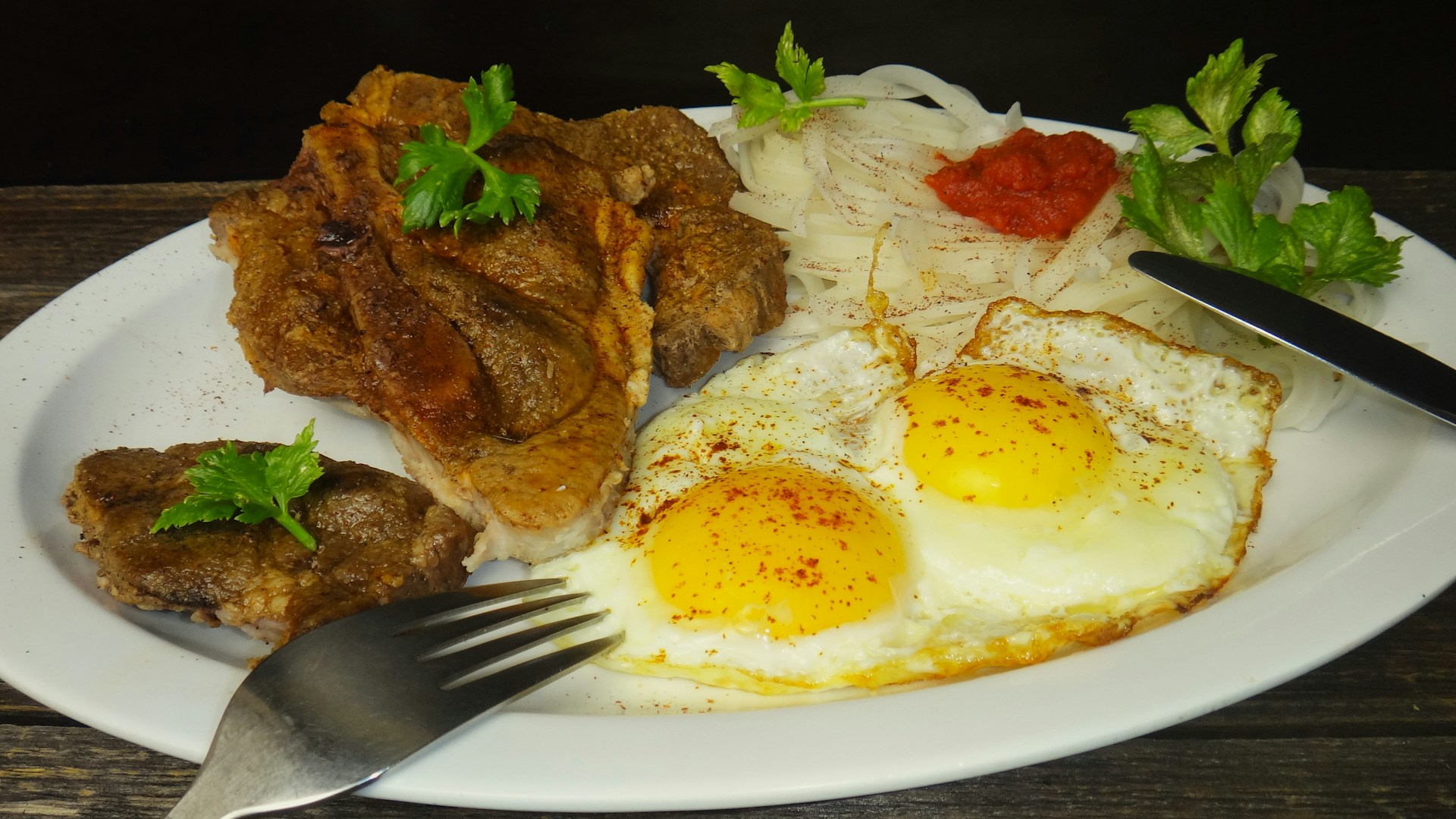
Steak night is about to cost more at the grocery store, while the humble breakfast egg is heading the other way. The U.S. Department of Agriculture’s Economic Research Service Food Price Outlook now forecasts beef and veal prices to climb 8.7 percent this year, and egg prices to drop 29.3 percent, which is nearly 30 percent.
Those two numbers sit at opposite ends of the grocery cart, and together they tell you a lot about how to shop for the rest of the year. The agency’s latest update, released October 23, 2026, uses September price data to project where the full year will land.
Beef Is The Budget Buster, Up 8.7 Percent With A Forecast Range Of 7.4 To 10.1
The forecast for beef and veal is the biggest jump among the major protein categories. The agency puts it at 8.7 percent for 2026, and says the likely range runs from 7.4 percent to 10.1 percent.
The pressure starts well before the meat counter. Farm-level cattle prices are forecast to rise 5.8 percent this year, and wholesale beef is forecast to rise 8.8 percent. When the cattle cost more and the wholesale price climbs even faster, the shopper at the end of the line pays for both.
Other proteins are far calmer. Poultry is forecast to rise just 1.2 percent and pork only 1.0 percent, which makes chicken thighs and pork shoulder look like bargains next to a ribeye.
Eggs Are Crashing, Down Nearly 30 Percent And Farm Prices Are Down 81.2 Percent
Here is the good news for the breakfast table. The agency forecasts egg prices at the grocery store to fall 29.3 percent this year, with a range of 26.7 to 31.6 percent lower.
The drop starts at the farm, where egg prices are forecast to be down 81.2 percent. After the painful price spikes shoppers remember, a fall that steep means cartons should keep getting cheaper through the year.
Dairy is also softening, with dairy products forecast to slip 0.4 percent and farm-level milk forecast to fall 10.5 percent. Fresh fruit is up only 2.9 percent, a mild change compared with the other headlines.
Fresh Vegetables And Sweets Are Climbing Too, So The Whole Cart Is Not Cheaper
Before anyone celebrates, the outlook is not all relief. Fresh vegetables are forecast up 5.8 percent, sugar and sweets up 6.5 percent, and nonalcoholic beverages up 4.4 percent.
Overall, the agency expects all food prices to rise 2.8 percent in 2026. Food at home, meaning what you buy at the grocery store, is forecast up 2.3 percent, while food away from home, meaning restaurants and takeout, is forecast up 3.5 percent.
So eating out is still getting pricier faster than cooking at home. Cooking at home, in other words, is still the better deal, as long as you steer around the categories that are rising fastest.
One note on how to read these figures. They are annual changes in the calendar-year average price, so the number you see in your own store in any given month may be higher or lower than the yearly average.
Steak Night Does Not Have To Be Cancelled, It Just Needs A Smarter Cut
If beef is going to cost 8.7 percent more, the trick is to spend your beef dollars where they stretch furthest. Chuck roast, brisket and short ribs cost less per pound than the tender cuts, and a slow braise turns them into a meal that feels like a celebration.
Ground beef gives you meatballs, meatloaf and chili all week. Stretching it with beans, oats, breadcrumbs or finely chopped mushrooms keeps the flavor and trims the cost per serving.
Watch the unit price on the shelf tag, which shows what you pay per ounce or per pound. A big family pack that looks pricey is often cheaper per pound, and beef freezes well when you split it into meal-size bags and press the air out.
Let The Egg Price Drop Pay For The Beef Price Climb
With eggs falling nearly 30 percent, an egg dinner is the easiest way to cut the weekly bill. A vegetable frittata, a big skillet of shakshuka, egg salad sandwiches or a simple breakfast for dinner night put protein on the table for a fraction of the price of a steak.
Hard-boiled eggs keep in the refrigerator for about a week and make a fast snack or salad topper. Deviled eggs are back on the menu for holiday gatherings, and this year they cost noticeably less to make.
A simple rule works well here. Swap one beef dinner a week for an egg or poultry dinner, and the savings add up over a month without anyone feeling shortchanged.
What The Forecast Means For 2027
Looking further ahead, the agency projects all food prices to rise 1.7 percent in 2027, with food at home up 1.0 percent and food away from home up 2.8 percent. The forecast ranges are wide that far out, so plan on adjusting as new numbers arrive each month.
For now, the playbook is clear. Buy the cheaper cuts, lean on eggs and poultry, shop sales on produce, and keep a running eye on the unit price. Steak night can still happen, just maybe with a slightly smaller steak and a bigger side of patience.
More Stories You May Like
- Woman Sits In The Airport For 10 Hours Until American Airlines Cancels Her Flight, Then Gets Rebooked In The Middle Of The Night While Asleep And Told That’s A No Show So There Is No Refund
- Thanksgiving Dinner For 10 Drops To $137.93 As Turkey Falls 48%, But Bread Rolls Jump 39.5% And Stuffing Climbs 23.2%
- Airbnb Is Barring Hosts From Asking Guests To Strip Beds, Wash Dishes Or Haul Trash Starting November 20th, And Every Checkout Chore Must Be Posted Up Front