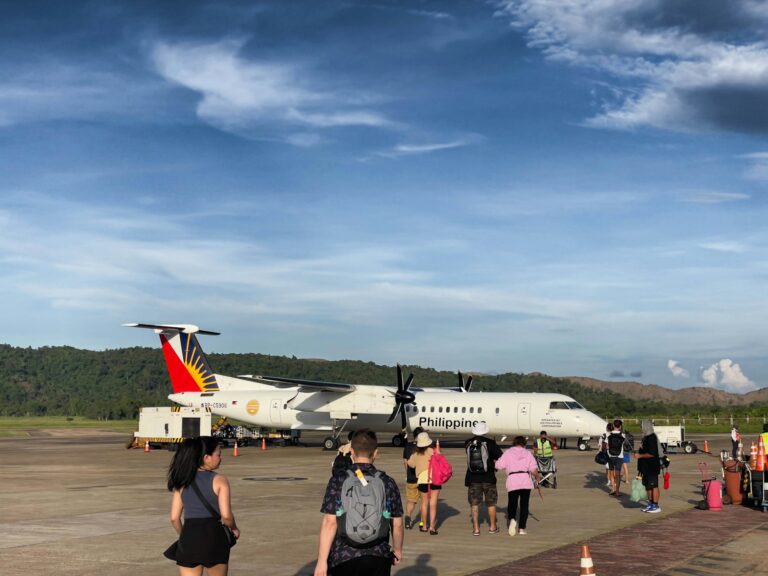
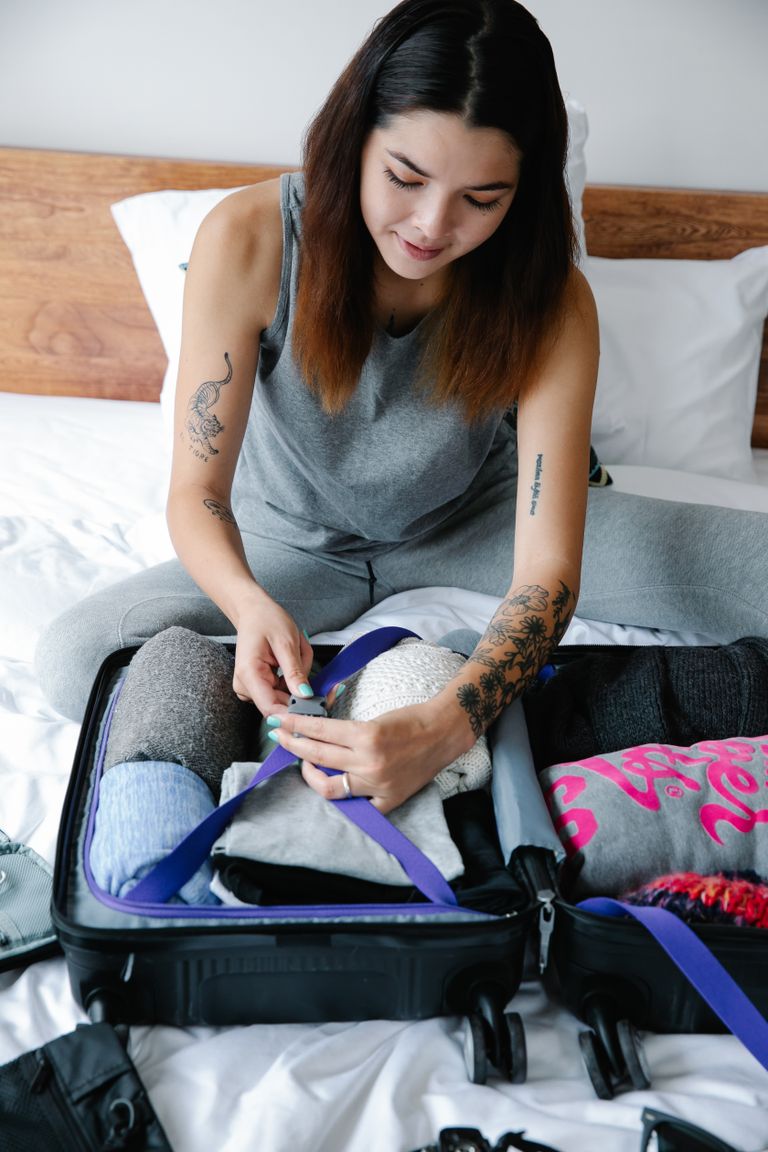
Corporate travel has spent the last few years quietly reshaping itself around a habit that used to be an occasional perk: the practice of stretching a work trip into a personal one. Fly out for a Tuesday meeting, stay through the weekend, and a routine business trip becomes a self-funded mini-vacation. Travel management companies and corporate card issuers have been tracking this shift closely, because it changes how they price trips, staff support desks and build loyalty programs. Their latest data shows the behavior, known in the industry as “bleisure,” has moved well past niche status.

More Than Half of Business Trips Now Blend In Leisure
According to the Global Business Travel Association’s 2025 Business Travel Index, 68% of corporate travelers now extend at least one work trip into personal time annually, tacking on an average of 2.3 additional nights each time they do. A separate GBTA survey of 4,700 business travelers found 62% blend business with leisure activities during work travel, a figure cited in American Express’s own analysis of the trend. Those aren’t fringe numbers. They describe a majority of the corporate travel population making a deliberate choice to turn work travel into something more.
American Express’s Own Data Tells the Same Story
Amex has been watching this shift from the inside, since it processes so much of the underlying spend. In its own reporting, the company cites Amex Trendex data showing 67% of travelers have taken a bleisure trip at some point, and its Business Travel survey found 87% of Millennial and Gen Z travelers view business travel as a career development opportunity worth building personal time around, according to the company’s published findings. Eighty percent of business travelers said they actively carve out exploration time on work trips, and 75% said they appreciate the option to fold in a family visit or vacation component. Those numbers point to bleisure less as a workaround employees are sneaking past HR and more as an expectation baked into how younger professionals think about travel altogether.
Corporate Travel Platforms Are Seeing It in Actual Bookings
The trend also shows up on the booking side, where corporate travel management company Navan has tracked it directly. A joint Navan and Skift report found 55% of business travelers took at least two blended trips in 2024 alone, meaning bleisure isn’t typically a once-a-year indulgence for most of the people who do it, but a repeated pattern woven into how they travel for work throughout the year. That repetition is part of why travel management companies have started building policy language and expense tools specifically around bleisure trips rather than treating them as exceptions to be handled case by case.
The Market Behind the Behavior Is Growing Fast
The dollar figures attached to this shift are large enough that market researchers now track bleisure travel as its own category. Fortune Business Insights valued the global bleisure travel market at $762.01 billion in 2025, with a compound annual growth rate near 12.7% projected in the years ahead, a pace that outstrips most other segments of the broader travel industry. That kind of growth doesn’t happen because a handful of frequent flyers are tacking on the occasional weekend; it happens because the underlying behavior has become common enough to move an entire market.
Why It’s Happening Now
Part of the explanation is generational. Amex’s data shows younger travelers are driving much of the shift, treating the ability to explore during a work trip as close to table stakes rather than a nice-to-have extra. Part of it is structural, too: hybrid and remote work have already blurred the line between where people work and where people live, so blurring the line between a business trip and a vacation is a smaller leap than it would have been a decade ago. Whatever the mix of causes, the data from GBTA, Amex and Navan all point the same direction. Bleisure travel is no longer a trend line worth watching from a distance. It’s a measurable, repeated, mainstream piece of how business trips get booked, and travel companies are already adjusting their playbooks accordingly. If you have a work trip on the calendar this fall, there’s a good chance the option to extend it is already built into how your company thinks about the booking.