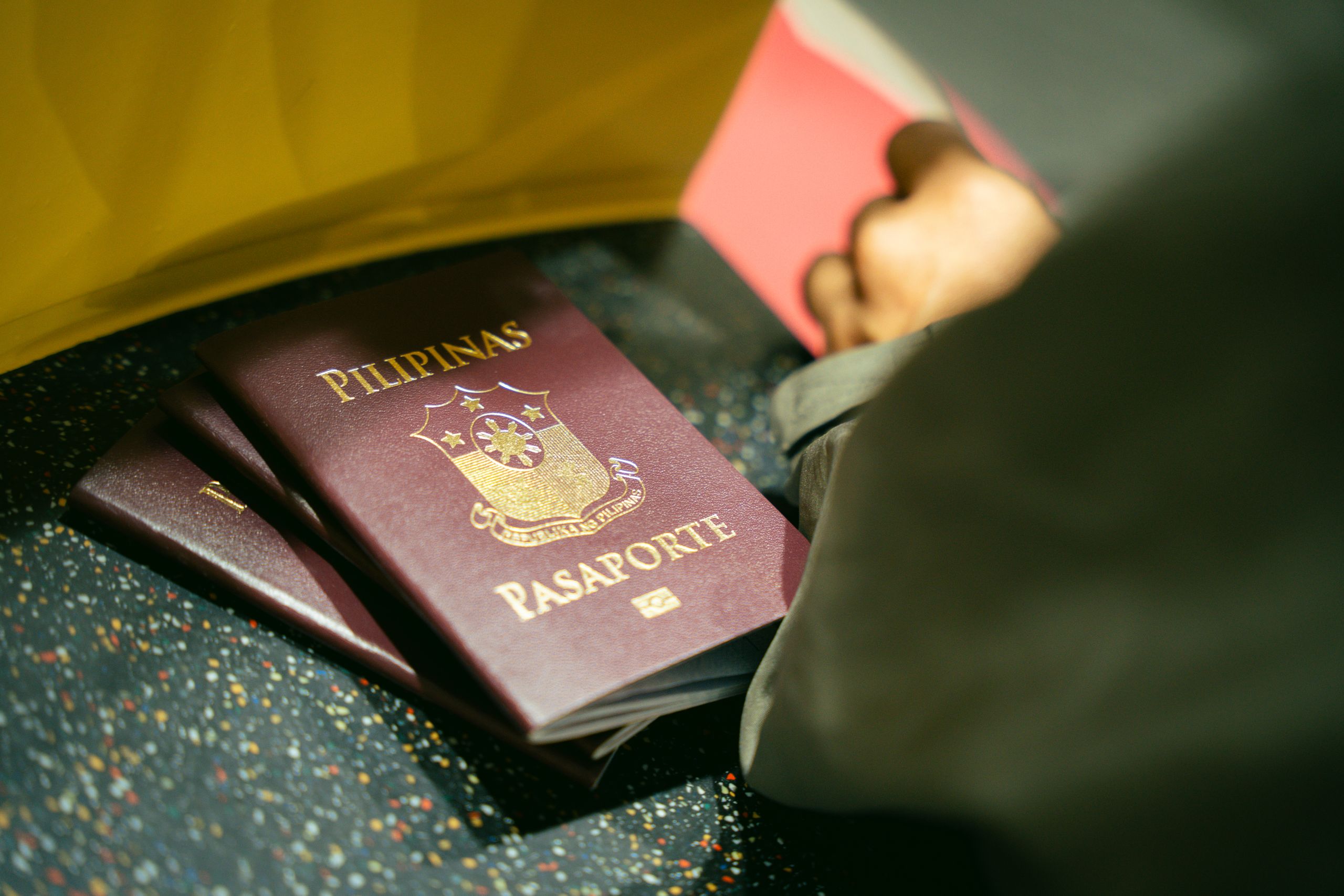

Right now, a routine U.S. passport application takes four to six weeks to process from the moment it’s submitted, according to the State Department’s own live processing-time tracker. Add in mailing time on both ends, and the real-world total stretches closer to six to eight weeks before a new or renewed passport lands back in your hands. For anyone eyeing international travel this fall or over the winter holidays, that math needs to happen now, not the week before departure.
What the numbers actually say
The State Department’s processing-times page, last updated April 16, 2026, breaks the wait into two tiers. Routine service takes four to six weeks for the application itself, while expedited service — which costs an additional $60 — cuts that to two to three weeks, according to the official tracker. Neither figure includes the time it takes for an application to reach a passport agency by mail or for the finished passport to be mailed back, which the department separately estimates at up to two weeks in each direction. A review of the same State Department data puts the realistic all-in routine timeline at six to eight weeks once mailing is factored in — and notes that travelers can pay extra for 1-to-3-day expedited return shipping if a passport needs to arrive faster once it’s approved.
Why this matters specifically for fall travel
Fall and the holiday season bring a predictable crunch: international trips booked over the summer start coming due, and passport offices see application volume climb accordingly. A passport applied for in late August, at the slower end of the routine four-to-six-week window plus mailing time, could easily land in mid-to-late October — fine for a Thanksgiving trip, tight for anything sooner. Anyone with a passport that’s expired, about to expire, or has never been issued should treat the current processing window as the real deadline for booking international fall or holiday travel, not a formality to handle after the flights are already booked.

Renewing by mail has its own fine print
Not every traveler even qualifies for the simpler renewal process, which adds another reason to check early. To renew by mail rather than apply in person, the State Department requires that the applicant’s most recent passport can be submitted with the application, was never reported lost or stolen, was issued within the last 15 years, and was issued when the holder was 16 or older with a 10-year validity period, according to the department’s renewal requirements page. Passports that don’t meet those conditions — including any belonging to a child under 16 — require a full in-person application instead, which can add time to the process before the processing clock even starts. On top of processing time, the mail renewal fee runs $130 for a passport book, $30 for a card, or $160 for both, with the same $60 expedite fee and a separate $23.36 charge for expedited return shipping.
The safety net — and its limits
For travelers who wait too long, the State Department does offer emergency options. Those with international travel within 14 calendar days can request an in-person appointment at a regional passport agency, with same-day processing available in some cases, according to the official processing-times page. But agency appointments are limited, require proof of imminent travel, and are explicitly designed as a last resort rather than a standard planning tool — showing up at the two-week mark hoping for a same-day appointment is a considerably riskier bet than applying with normal lead time.
The simplest fix is also the most overlooked one
None of this requires guesswork. The State Department’s processing-times tracker is a live, public page that updates as application volume and staffing shift throughout the year, which means the four-to-six-week routine estimate quoted today may not match the estimate in October. Checking the tracker before booking international flights — not after — is the single easiest way to avoid the scenario travel agents dread most: a booked trip and a passport still sitting in processing. For renewals specifically, the department also offers an online option for eligible travelers, which can shave time off the front end of the process even though it doesn’t change the underlying processing window once an application is submitted.
The pattern holds across every fall and holiday season: processing times are published, predictable, and routinely ignored until a trip is weeks away. With a live government tracker and a clear set of renewal rules just a click away, there’s no real excuse for a passport delay to be the thing that derails a fall trip — only a reason it keeps happening anyway.