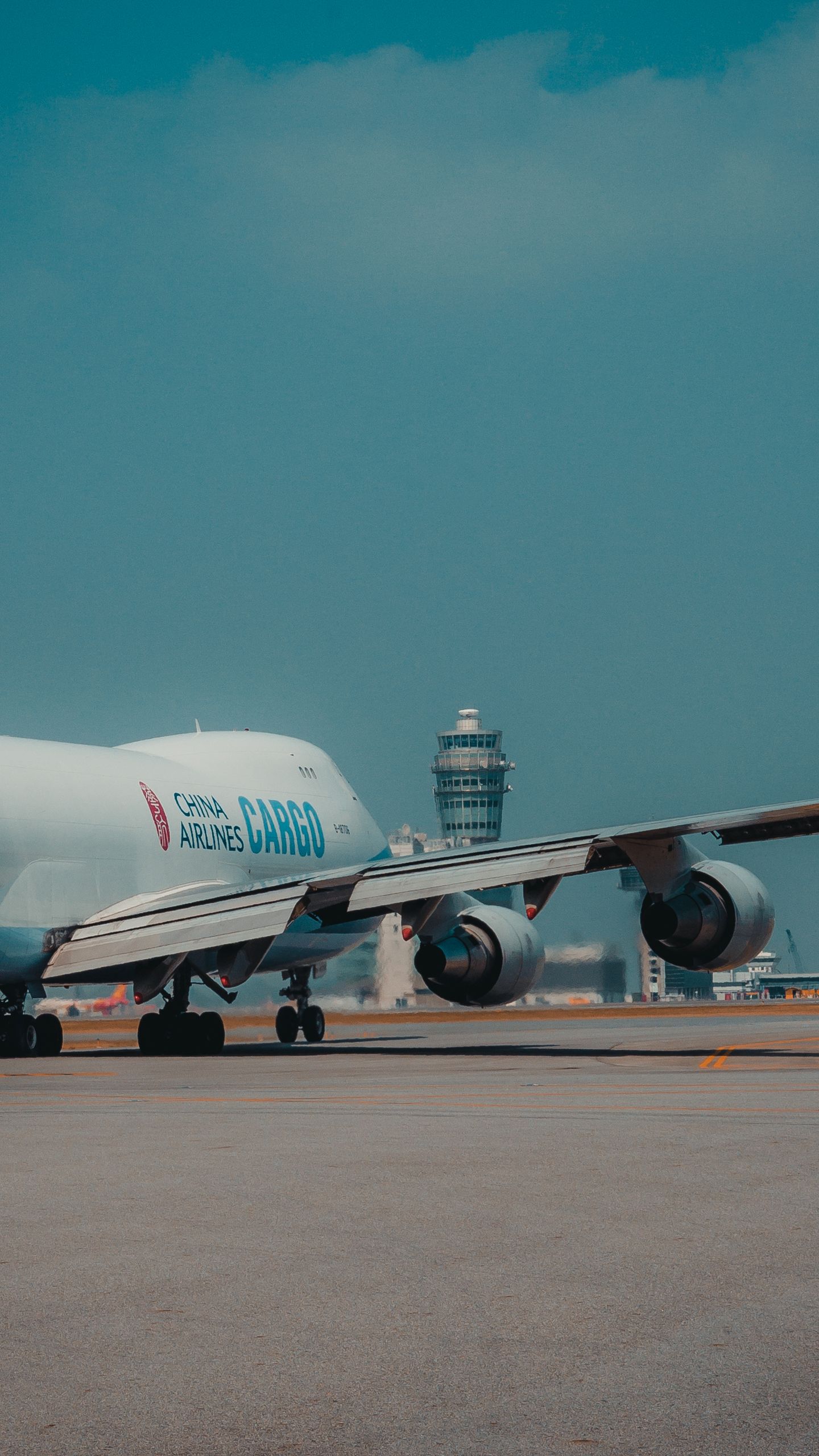
A Boeing 767 cargo jet operating for Amazon’s air freight network overran the runway at Miami International Airport and struck ground vehicles, killing five people and injuring five others, according to an NTSB investigative update. The National Transportation Safety Board has opened a formal investigation into the crash involving 21 Air Flight 7598.
Key Points
- 21 Air Flight 7598, a Boeing 767 cargo jet flying under contract for Amazon Air, overran the runway at Miami International Airport, the NTSB said.
- The jet struck ground vehicles after leaving the runway, killing five people and injuring five others.
- The NTSB has opened a formal investigation and released investigative update NR20260909.
- 21 Air is a charter cargo operator that flies freight under contract for Amazon’s air network rather than operating as a branded Amazon airline.
- Investigators have not disclosed a cause, and the NTSB said the inquiry remains ongoing.
The accident occurred as the cargo flight was landing at Miami International Airport, one of the busiest air freight hubs in the country and a major gateway for cargo moving in and out of Latin America. Miami International handles enormous volumes of both passenger and cargo traffic, and Amazon Air has built out a substantial presence there as part of its broader logistics network.
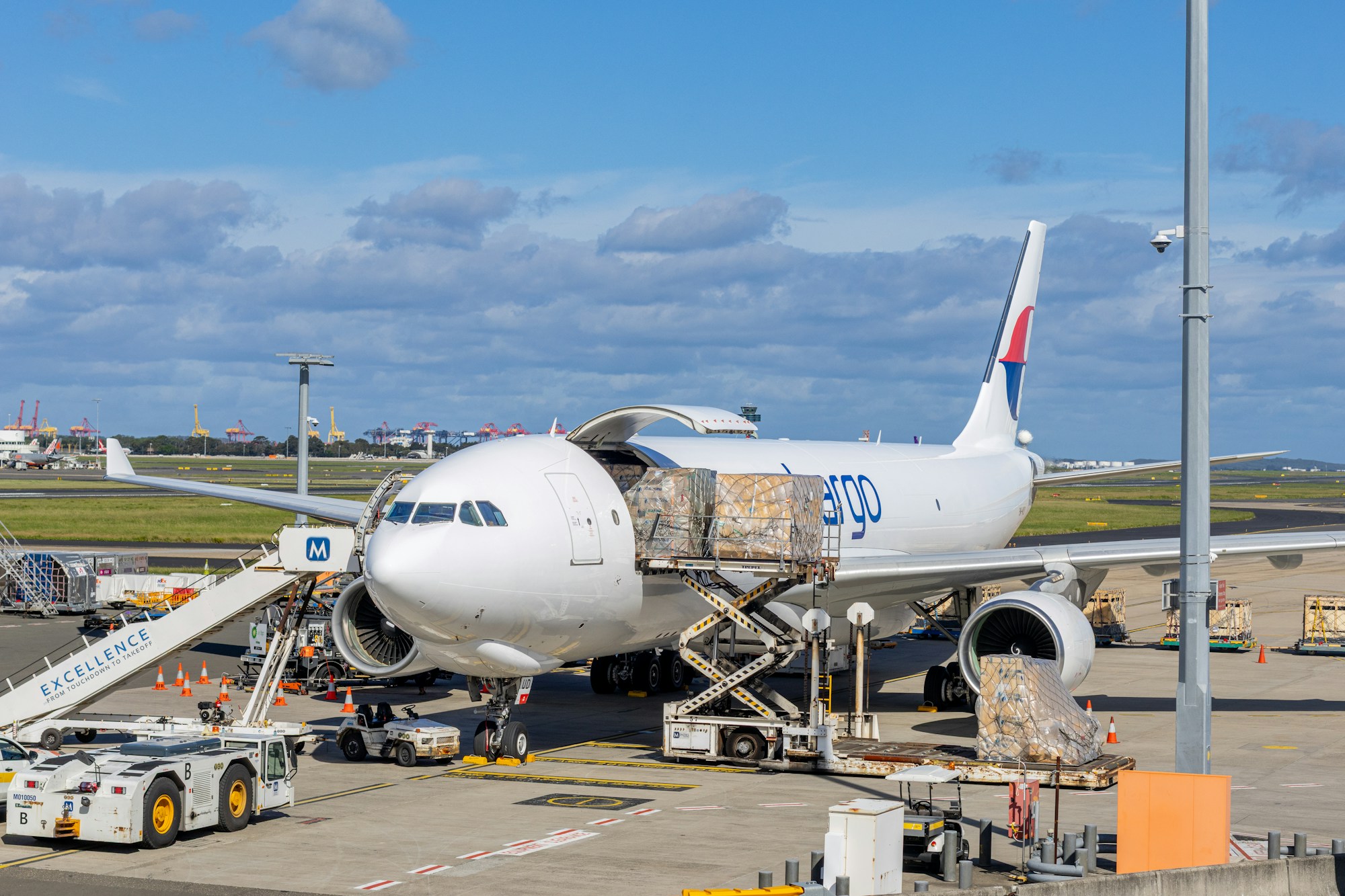
21 Air is a Virginia-based charter airline that operates cargo aircraft under contract for larger logistics customers, including Amazon’s air freight operation. That structure is common in cargo aviation, where companies like Amazon lease capacity from certified charter operators rather than obtaining their own air carrier certificates for every route. The jet involved, operating as 21 Air Flight 7598, was flying in that capacity at the time of the accident.
Five people died and five more were injured when the aircraft left the runway and struck vehicles on the ground, the NTSB said in its update. The agency has not released the identities of those killed or injured, nor has it detailed the vehicles struck or their purpose on the airfield at the time of the crash.
The NTSB’s role in incidents like this is to determine what happened and why, a process that often takes months to complete in full. Investigators typically examine flight data recorders and cockpit voice recordings as part of that process. They also review maintenance records and runway conditions, along with communications between the flight crew and air traffic control, before issuing a final report. The agency’s initial update did not identify a probable cause, and officials cautioned that determining one remains part of the ongoing investigation.
Cargo aircraft accidents draw less public attention than passenger airline incidents, largely because they carry far fewer people and rarely affect travelers directly. The scale of casualties in this case has already made it one of the more serious cargo aviation accidents at a major U.S. airport in recent memory, and the NTSB’s investigation is expected to continue for months as it works toward a final determination.