Craig Berg, 70, of Royal Oak, Michigan, was found alive on Isle Royale National Park nearly two weeks after he vanished during a solo hike, according to an NBC News report. Kayakers spotted Berg on Sept. 12, 2026, 11 days after he went missing on the remote Lake Superior island, and the U.S. Coast Guard airlifted him to safety.
Key Points
- Craig Berg, 70, of Royal Oak, Michigan, went missing during a solo hike on Isle Royale National Park around Sept. 5-6, 2026.
- Kayakers found him alive on Sept. 12, 11 days after he was reported missing, the NBC News report said.
- Berg had fallen into a marsh and lost his phone and wallet while stranded on the island.
- A Coast Guard MH-60 Jayhawk helicopter crew from Air Station Traverse City hoisted him out.
- Isle Royale is one of the least-visited and hardest-to-reach national parks in the country, accessible only by boat or seaplane.
Isle Royale sits far out in Lake Superior, closer to the Canadian shoreline than to most of Michigan, and reaching it requires a ferry or seaplane trip that can take several hours even before a visitor sets foot on a trail. That isolation is part of the park’s appeal for experienced backcountry hikers, but it also means help can be a long way off if something goes wrong, which is exactly what happened to Berg.
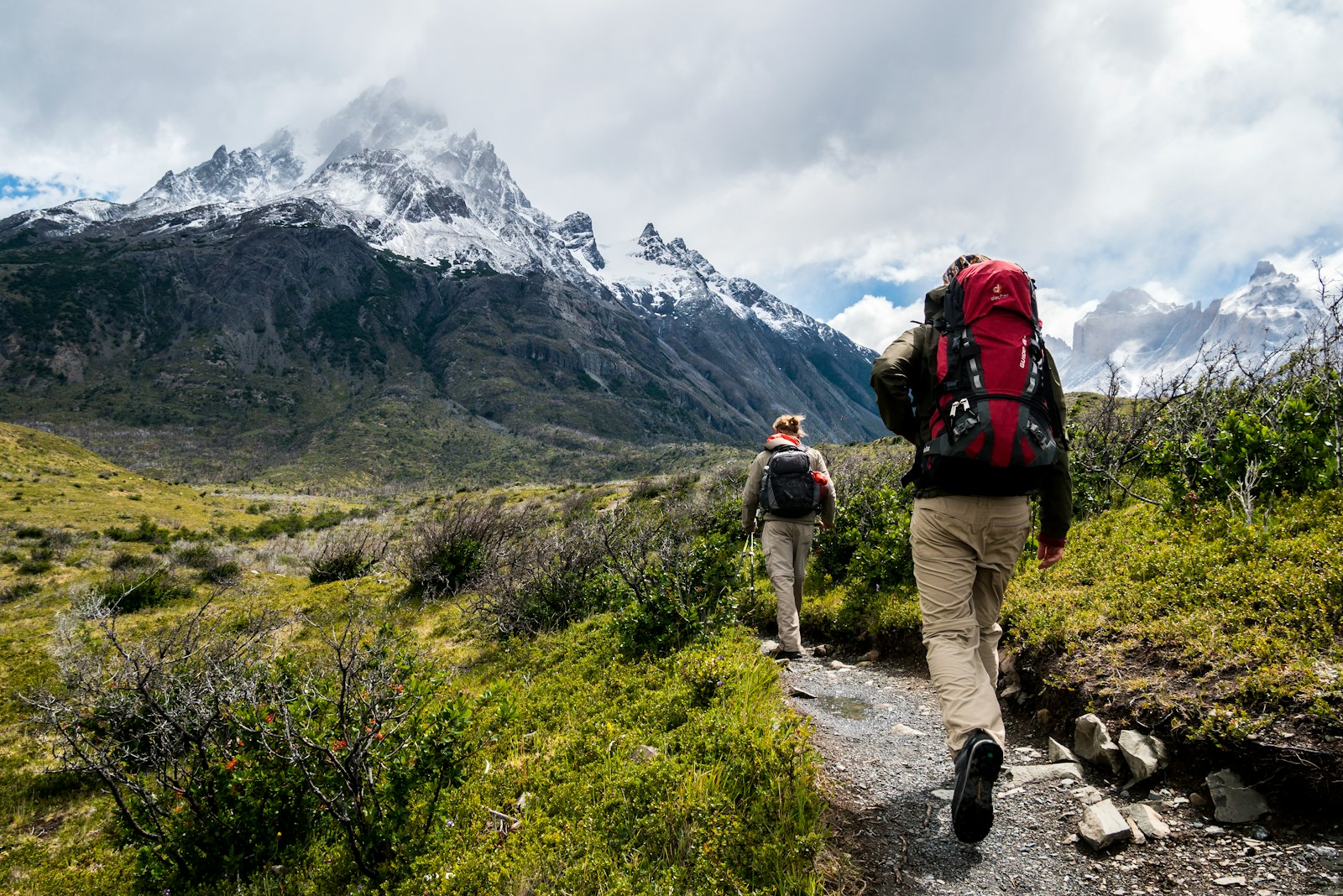
Berg went missing around Sept. 5 or 6, according to the report, after setting out alone on the island’s rugged, largely unmarked interior trails. Search efforts began soon after he failed to check in as expected. The island’s dense forest and rocky, marshy terrain make locating a single missing hiker extraordinarily difficult, even with organized search teams involved.
During his time missing, Berg fell into a marsh and lost both his phone and his wallet, cutting off any chance of calling for help or being tracked through his device. For 11 days, he was left to navigate the island’s terrain and weather largely on his own, until a group of kayakers came across him on Sept. 12.
Once he was located, a U.S. Coast Guard MH-60 Jayhawk helicopter crew from Air Station Traverse City was dispatched to retrieve him. Given Isle Royale’s remote location and lack of road access, an airlift was the fastest way to get Berg off the island and to medical care.
Isle Royale receives far fewer visitors annually than nearly any other national park in the contiguous United States, a reflection of how difficult it is to reach and how few services exist once someone arrives. That remoteness is what makes stories like Berg’s both frightening and, in this case, remarkable: an 11-day stretch alone in the wilderness that ended with a rescue rather than a tragedy.