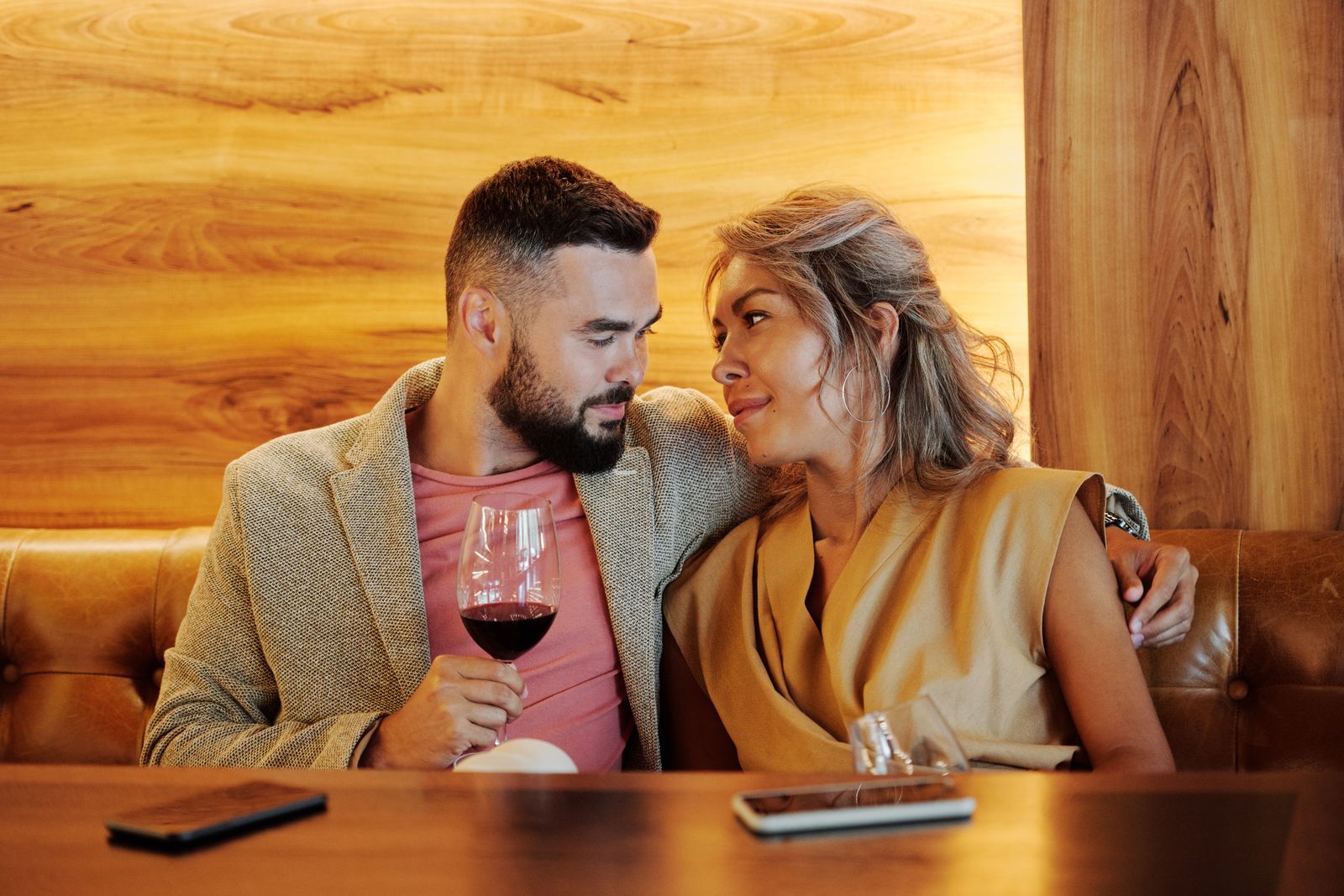
For years, “grabbing drinks” has been dating-app shorthand for a first date, baked into everything from bar-recommendation prompts to the assumption that chemistry needs a glass of wine to loosen up. But the people actually swiping are quietly rewriting that script. Hinge’s own newly published Gen Z research found that 67% of daters now want more sober-dating options built into the apps they use, a number too large to file under niche preference. It reads instead like a redefinition of what a normal first date is supposed to look like.

The Default Setup Is Losing Its Grip
Dating apps didn’t invent the drinks-first date, but they standardized it. Location filters favor bars. Icebreaker prompts nod toward cocktails and wine nights. Even the culture around a “good” first date assumes some level of buzz will smooth over the awkwardness of meeting a stranger from your phone.
That default is starting to look outdated to the people it was built for. Hinge’s research points to a younger dating population that’s rethinking alcohol’s role in the process altogether, not because they’re anti-drinking as a rule, but because they’re questioning whether a buzz was ever necessary for connection in the first place.
Why Sober-Curious Dating Is Gaining Ground
Part of this is generational health-consciousness. Younger daters have grown up with more visibility into how alcohol affects sleep, anxiety, and mood the next day, and that awareness is bleeding into how they plan their evenings, first dates included. Part of it is the broader sober-curious movement, which has moved from a wellness subculture into something closer to mainstream default, especially among people in their twenties who came of age watching Dry January turn into a year-round habit for people around them.
But the more interesting driver, based on what Hinge’s data captures, is about the date itself, not the drink. If two-thirds of daters are asking for a sober option, they’re essentially saying the alcohol was never the point. It was scaffolding for a system that didn’t trust two people to just talk to each other.
What a Sober-First Date Actually Looks Like
Strip the bar out of the equation and the options left standing tend to be more revealing anyway. A coffee date puts you face to face for an hour with nowhere to hide behind a drink order. A walk, a museum, a bookstore, a farmers market — these all force actual conversation instead of the kind of loose, alcohol-softened small talk that can feel good in the moment and mean nothing by morning.
That’s arguably the real appeal buried inside Hinge’s finding. A sober date doesn’t have a built-in exit ramp or a chemical head start. Whatever spark happens, happens without help. For daters who’ve sat through enough foggy, forgettable bar dates to know how little they actually reveal about compatibility, that trade-off is starting to look worth it.
There’s also a practical safety layer under this shift that doesn’t get talked about enough. Meeting a stranger while both of you are sober means clearer judgment, easier boundaries, and an easier exit if something feels off. For a lot of daters, especially women navigating first meetings with people they only know from a profile, that clarity is its own form of comfort.
There’s a financial angle here too, even if it rarely gets mentioned in the same breath as sober-curious culture. Two cocktails at a bar can easily run more than an entire coffee date, and for daters juggling the cost of dating multiple people at once, cutting alcohol out isn’t just a wellness choice. It’s a budget one. A cheaper, lower-pressure date also lowers the stakes of a bad match, which makes it easier to actually go on more first dates instead of screening people out over text for weeks first.
What This Means for How You Date
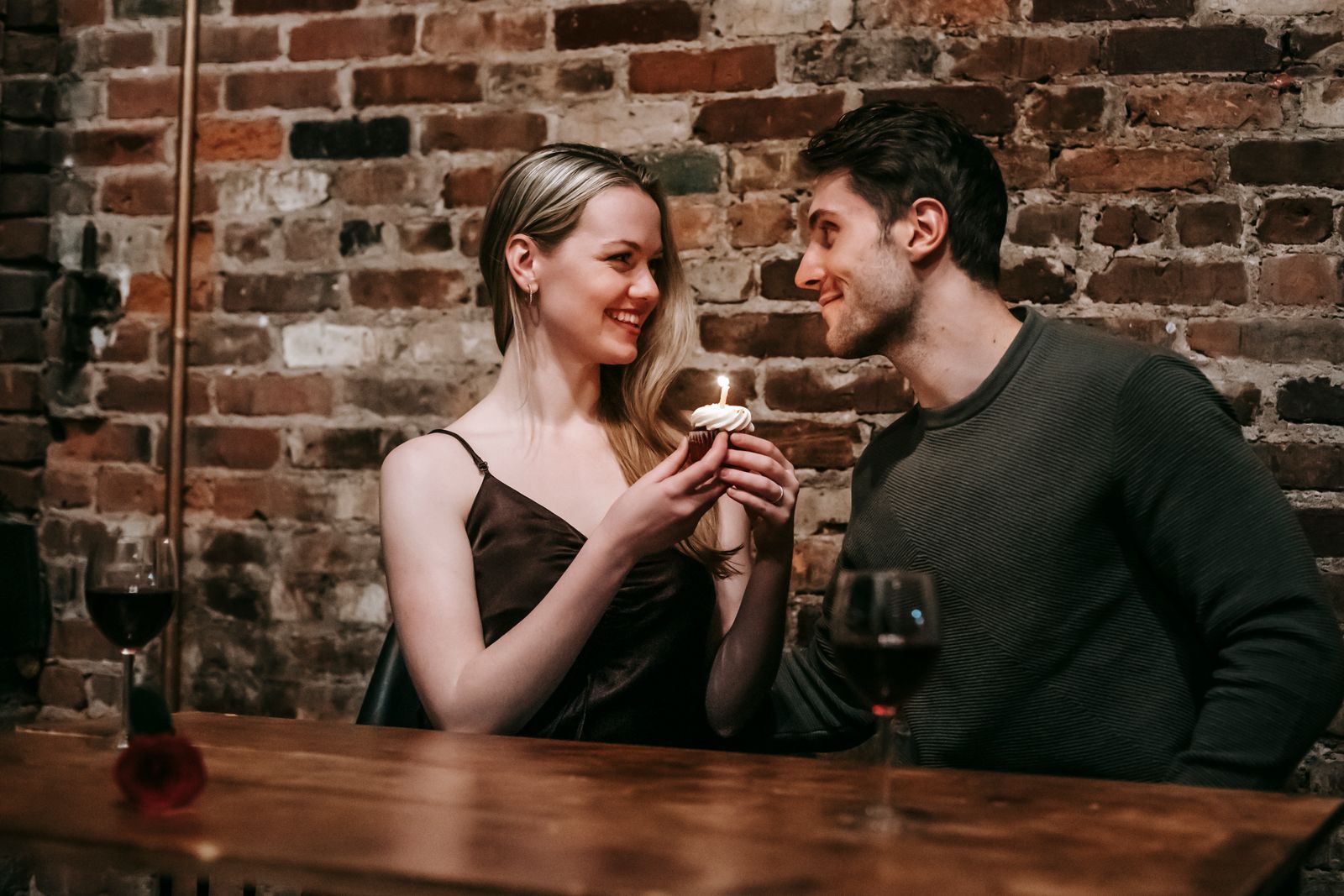
None of this means alcohol is disappearing from dating culture. Plenty of people will still want that second-date bottle of wine once trust is established. What’s changing is the assumption that drinking has to come first, before you even know if you like the person sitting across from you.
If you’ve been feeling like the drinks-date script doesn’t fit you anymore, the data suggests you’re not the outlier. You’re most of the room. And the apps that shaped the alcohol-first default are now the ones reporting that their own users want out of it, which says less about wine and cocktails and more about what daters are finally willing to admit they were missing without them: an actual, sober read on whether someone’s worth a second date at all.