Dave Portnoy, the TikTok food critic known for his one-bite pizza reviews, says rescoring a pizzeria is something he almost never does. In his @stoolpresidente video, he explains that once a score is out, it’s out, win or lose. But Amelia Street Pizza Co., a small shop outside Detroit, was apparently different enough that he went back on his own rule and gave it another shot.
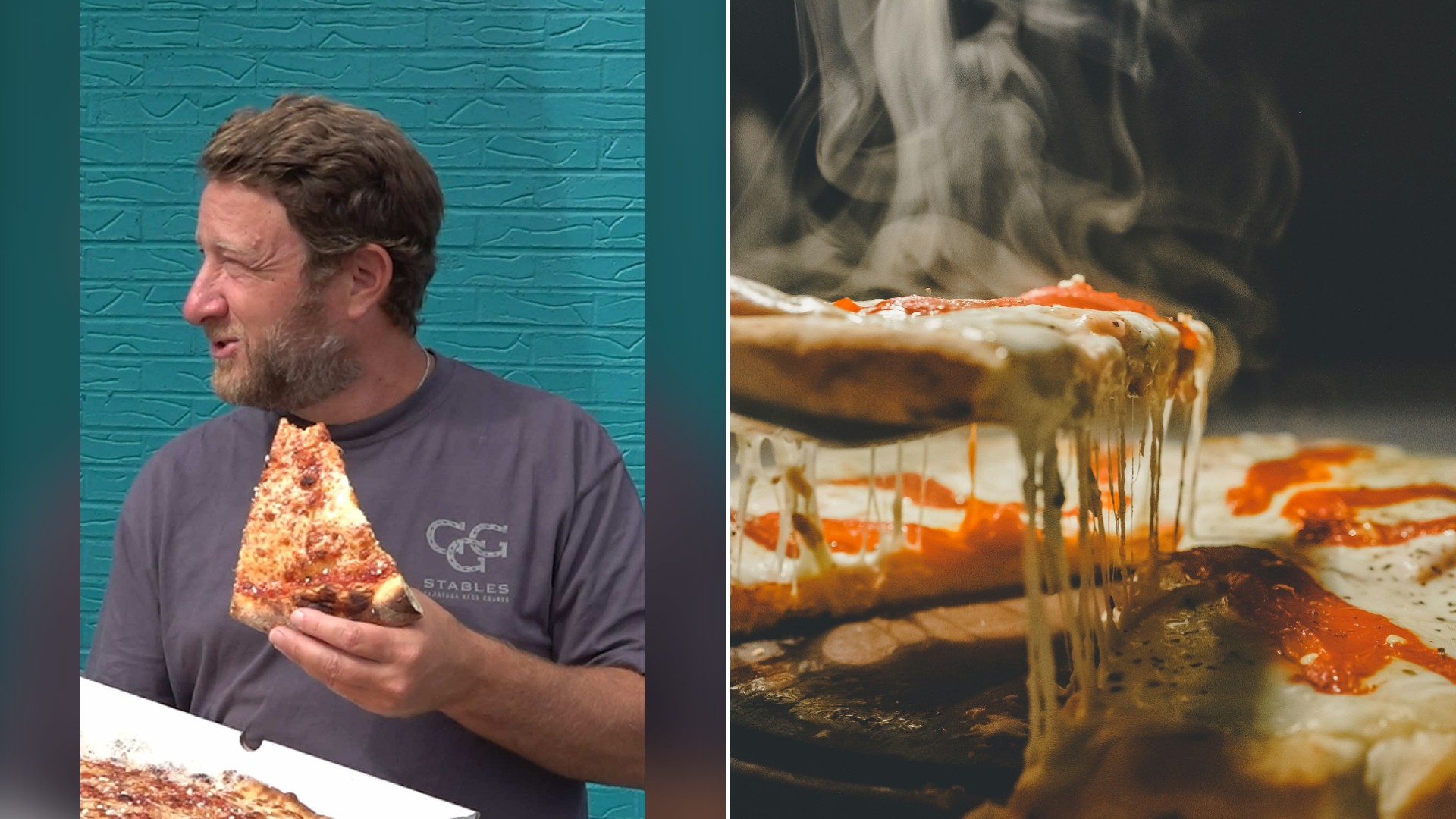
That alone is the whole hook of the video. Portnoy has reviewed thousands of pizzerias at this point, and the premise of his format depends on the score being final, a kind of unbending law that keeps the whole project consistent. So when he says, on camera, that he’s breaking that rule for a one-man shop most people outside Michigan have never heard of, it tells you something about the place before he even takes a bite.
@stoolpresidente
Small, independent pizzerias have had a strange relationship with viral food content over the past few years. On one hand, a single glowing review from a creator with a massive following can change a shop’s business overnight, with lines forming out the door the next morning. On the other hand, that same spotlight can be a double-edged sword: a single underwhelming visit, captured and shared with millions of people, can do real damage to a small operation that doesn’t have a PR team or a corporate buffer to absorb the hit.
That’s part of why a rule like “no redos” matters so much to a reviewer working at this scale. If scores could be revisited whenever a shop owner complained or a fan campaigned hard enough, the whole system would lose credibility fast. The rigidity is the point. So when an exception gets made, it tends to say more about genuine quality than marketing ever could, because the reviewer has nothing obvious to gain by bending his own process for a shop most of his audience has never set foot in.
Detroit-style pizza itself has had a notable resurgence in recent years, moving from a regional specialty into something home cooks and chains across the country now try to replicate, with its thick, crispy-edged crust and sauce ladled on top of the cheese rather than underneath. A small, independent shop doing it well, without the backing of a national chain, is exactly the kind of story that tends to resonate with people who care about where their food actually comes from.
There’s also something worth noting about what “mom and pop” means in this context. These shops typically run on razor-thin margins, often with a single owner or a small family handling everything from the dough to the register. A single piece of positive attention, especially something as specific and credibility-laden as a reviewer publicly admitting he broke his own rule, can be the difference between a quiet year and a genuinely transformative one for a business like that.
For viewers, part of the appeal of this kind of content isn’t really about the score itself, it’s about watching someone with a defined, consistent standard get genuinely surprised. Food content is full of manufactured enthusiasm, where every stop is described as the best thing the creator has ever eaten. A reviewer who is visibly reluctant to deviate from his own system, and does it anyway, reads as far more trustworthy than one who gushes over everything equally.