You watch the takeoff video and feel your stomach drop when flames trail the runway. Emergency crews scramble, the jet returns, and everyone on board walks away unharmed — details that matter if you fly or care about airline safety.
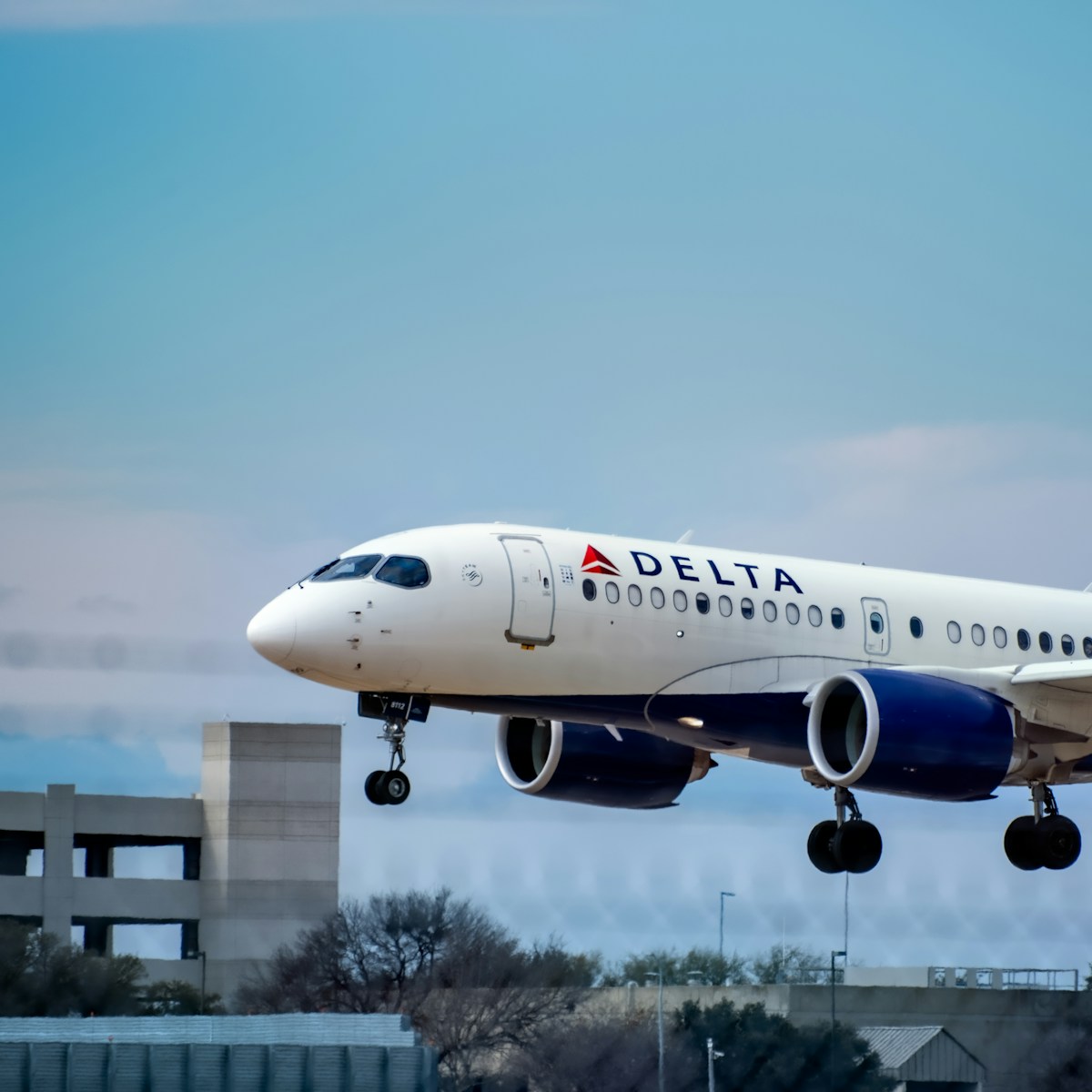
A Delta Boeing 737-900 experienced a left-engine failure on takeoff from Savannah/Hilton Head International Airport that ignited grass beside the runway, forcing an immediate return and a safe landing with no reported injuries.
The post will unpack what happened during the incident, how crew and responders handled it, and what passengers experienced afterward to give a clear picture of the event and its aftermath.
Details of the Delta Flight Emergency
The flight experienced an engine malfunction during the takeoff roll that produced visible flames and ignited grass beside the runway. Crews returned the airplane to the airport quickly and emergency units responded on scene.
Incident Summary and Timeline
Delta Flight 1067 began its departure from Savannah/Hilton Head International Airport (SAV) bound for Hartsfield-Jackson Atlanta International Airport (ATL) in the early evening. During the takeoff roll and initial climb, the crew identified a problem with an engine and declared an emergency within minutes.
Passengers reported flames from one engine and the aircraft climbed to only a few thousand feet before the pilots elected to return. The jet landed back at SAV within minutes of the emergency call. No injuries were reported and passengers were later rebooked on alternate aircraft.
Engine Failure and Runway Fire
Witnesses and video show flames trailing from the left engine, consistent with a failure in a CFM-56 family turbofan that powers many 737 variants. Hot exhaust or expelled debris ignited dry grass adjacent to the runway, producing a visible brush fire along the airport perimeter.
Firetrucks from Garden City, Savannah, Pooler, and the 165th Airlift Wing responded to extinguish the blaze. Crews prioritized securing the aircraft and containing the grass fire; airport firefighters used foam and water streams to prevent spread to airport infrastructure.
Aircraft Model and Route Information
The airplane involved was a Boeing 737-900 operated by Delta Air Lines as Flight DL 1067 on the Savannah-to-Atlanta route. The 737-900 is a stretched variant of the 737NG family commonly used on short domestic hops like SAV–ATL.
Flight tracking shows the aircraft reached less than 3,000 feet before the return. Delta later apologized to affected customers and arranged alternate transport. The airline has not publicly released a final cause for the mechanical issue as investigators and maintenance teams inspect the airframe and engine.
Safety Response and Emergency Procedures
The flight crew followed standard engine-failure and emergency-return procedures: they declared an emergency, secured the affected engine per checklist, and coordinated with air traffic control for an expedited return. The cabin crew briefed passengers and prepared the cabin for a prompt evacuation if needed.
Airport emergency response activated mutual aid across local fire departments and military base firefighters. Ground teams inspected the runway and adjacent areas for debris and damage before reopening. Maintenance technicians isolated the aircraft and began a formal investigation into the mechanical issue while airport operations managed displaced flights and passenger accommodations.
Relevant reporting on the incident appears in coverage of the return to Savannah and details of the fire along the runway, including passenger video and official statements from local fire agencies. (See reporting by MSN for immediate scene description.)
Aftermath and Passenger Experience
Passengers deplaned without injuries and later boarded a replacement aircraft to finish their trips. Airport fire crews inspected the runway and extinguished burning grass left by the engine failure.
Passenger Reactions and Statements
Several passengers described hearing a loud boom during initial climb and seeing flames near the left engine. One passenger told local media the crew announced an engine failure and prepared everyone for an immediate return; passengers reported the crew remained calm and gave clear instructions.
Others posted photos and videos showing smoke and a line of fire along the runway edge. Delta Air Lines staff met passengers on arrival; many praised the quick emergency response but expressed anxiety about the scare and the delay to connecting flights.
Delta issued a brief statement saying the aircraft landed safely and customers deplaned normally, and the airline arranged onward travel for affected passengers.
Managing Heavier Than Normal Landing Weight
With one engine out, pilots weighed the risks of a higher-than-normal landing weight against fuel burn and systems limits. They elected to return quickly, minimizing time airborne to reduce weight by burning fuel, while prioritizing a safe, stabilized approach.
Aircrew coordinated with air traffic control and the airline’s operations center to ensure emergency vehicles and runway inspections were ready on arrival. The aircraft was met by Aircraft Rescue and Firefighting teams, per standard procedures for a possible overweight or emergency landing.
Maintenance crews later assessed whether the plane required a post-landing inspection related to the engine separation and any heat damage to systems near the left nacelle and landing gear.
Replacement Aircraft and Travel Continuation
Delta arranged a replacement Boeing 737 to transport the original passengers to Atlanta later that night. Ground staff rebooked connections and issued meal or hotel accommodations where schedules required, following the airline’s customer-care protocols.
Passengers transferred luggage and paperwork to the new aircraft after a safety check cleared the gate area. The airline confirmed the replacement flight departed several hours after the incident, with customers ultimately arriving at their destination under Delta’s supervision.
More from Cultivated Comfort:
- 7 Vintage Home Items From the ’60s That Are Collectors’ Dream Finds
- 7 Vintage Home Goods That Became Collectors’ Gold
- 7 Fast-Food Chains That Changed for the Worse
- 7 Frozen Dinners That Were Better Back in the Day

As a mom of three busy boys, I know how chaotic life can get — but I’ve learned that it’s possible to create a beautiful, cozy home even with kids running around. That’s why I started Cultivated Comfort — to share practical tips, simple systems, and a little encouragement for parents like me who want to make their home feel warm, inviting, and effortlessly stylish. Whether it’s managing toy chaos, streamlining everyday routines, or finding little moments of calm, I’m here to help you simplify your space and create a sense of comfort.
But home is just part of the story. I’m also passionate about seeing the world and creating beautiful meals to share with the people I love. Through Cultivated Comfort, I share my journey of balancing motherhood with building a home that feels rich and peaceful — and finding joy in exploring new places and flavors along the way.