Dubai’s tourism calendar usually follows a predictable rhythm, climbing through the fall toward a peak around the winter holidays when travelers escape the cold for guaranteed sunshine, then easing off once summer heat sets in. This year broke that pattern. According to Dubai’s Department of Economy and Tourism’s own press release, the city welcomed 869,000 visitor arrivals in August 2026, its strongest single month since February. For a destination that typically treats late summer as a lull, that’s a significant reversal, and it says something worth paying attention to if you’ve been eyeing a Dubai trip without the December crowds.
A Summer Surge Nobody Was Expecting
August isn’t when Dubai usually makes tourism headlines. The city’s temperatures climb well past 100 degrees, and conventional wisdom has long held that visitors save their trips for cooler months. Yet the numbers tell a different story this year. That single month brought Dubai’s January-through-August total to 6.97 million international visitors, according to the same Department of Economy and Tourism report. Hitting a six-month arrival high in what’s traditionally the industry’s quietest stretch suggests Dubai’s appeal has broadened well beyond its winter high season, pulling in travelers who once might have waited for cooler weather to book.
Why the Timing Matters for Travelers
The release landed alongside Arabian Travel Market 2026, the region’s major tourism industry gathering, putting Dubai’s numbers directly in front of the airlines, hoteliers, and tour operators shaping next year’s offerings. For travelers, the practical takeaway is simpler: Dubai is proving it can draw a crowd well outside its traditional peak, which changes the calculus for anyone deciding when to book. A city that used to feel like a two-season destination — busy winter, quiet summer — is starting to look busy nearly year-round, and that shift matters for anyone trying to time a visit around price, crowds, or both.
What a Record Off-Season Month Signals
A jump like this doesn’t happen by accident. Dubai has spent recent years investing heavily in year-round draws — indoor attractions built for extreme heat, expanded luxury retail, an ever-growing restaurant scene, and marketing aimed squarely at travelers who assumed summer was off-limits. The August numbers suggest that strategy is landing. When a city built partly on winter sun tourism posts its best month in half a year during the hottest stretch of summer, it’s a sign that the destination’s appeal no longer hinges entirely on comfortable outdoor weather. Indoor luxury and a hotel market built to shrug off extreme heat are apparently enough to pull in visitors even in August.
The Case for Going Off-Peak
For travelers weighing a Dubai trip, this data points toward a genuine opportunity rather than just a statistic. Visiting outside the traditional winter rush often means thinner crowds at major attractions and easier reservations at in-demand restaurants, with hotel rates that haven’t yet caught up to holiday-season pricing even as the destination itself stays just as polished and fully operational. Luxury travelers in particular tend to value exactly that combination: full access to a world-class city without elbowing through peak-season lines. If Dubai’s shoulder and off-season months keep posting numbers like August’s, that window of relative calm may not stay quiet for long, which makes now a reasonable time to take advantage of it.
How Dubai Compares to Other Sun Destinations
Plenty of warm-weather cities see their tourism numbers rise and fall in lockstep with the seasons, filling up when the weather is comfortable and emptying out when it isn’t. Dubai’s August performance breaks from that pattern in a way most competing destinations haven’t managed. Cities that depend on outdoor activity for their main appeal, whether that’s beach time or hiking trails, tend to see visitor numbers drop sharply once temperatures spike. Dubai’s mix of climate-controlled malls, museums, aquariums, and entertainment complexes gives it a built-in workaround, letting the destination keep functioning as a full-scale luxury getaway even when stepping outside for more than a few minutes isn’t realistic. That structural advantage is likely a big part of why the arrivals data looks the way it does.
A City Redrawing Its Own Calendar
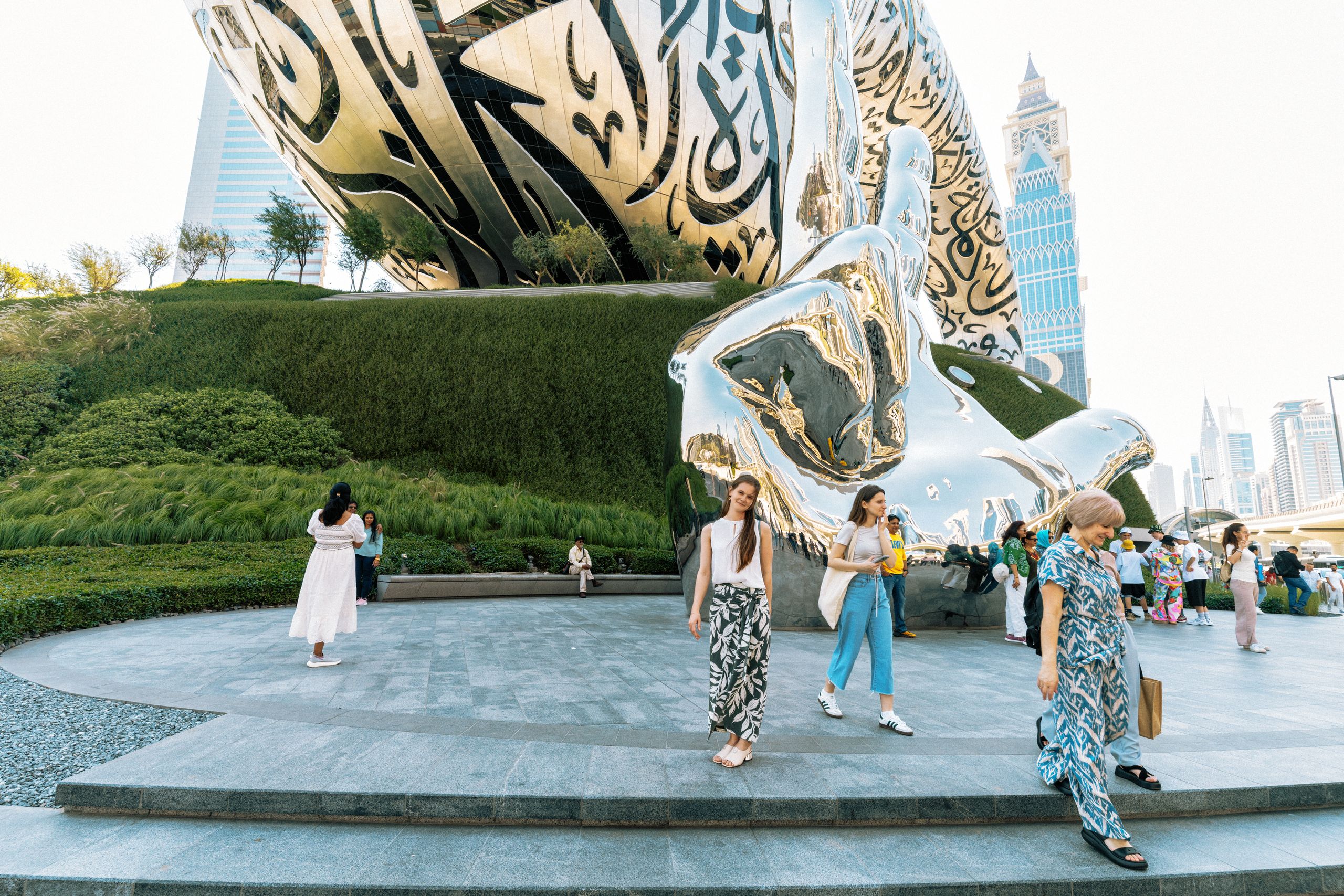
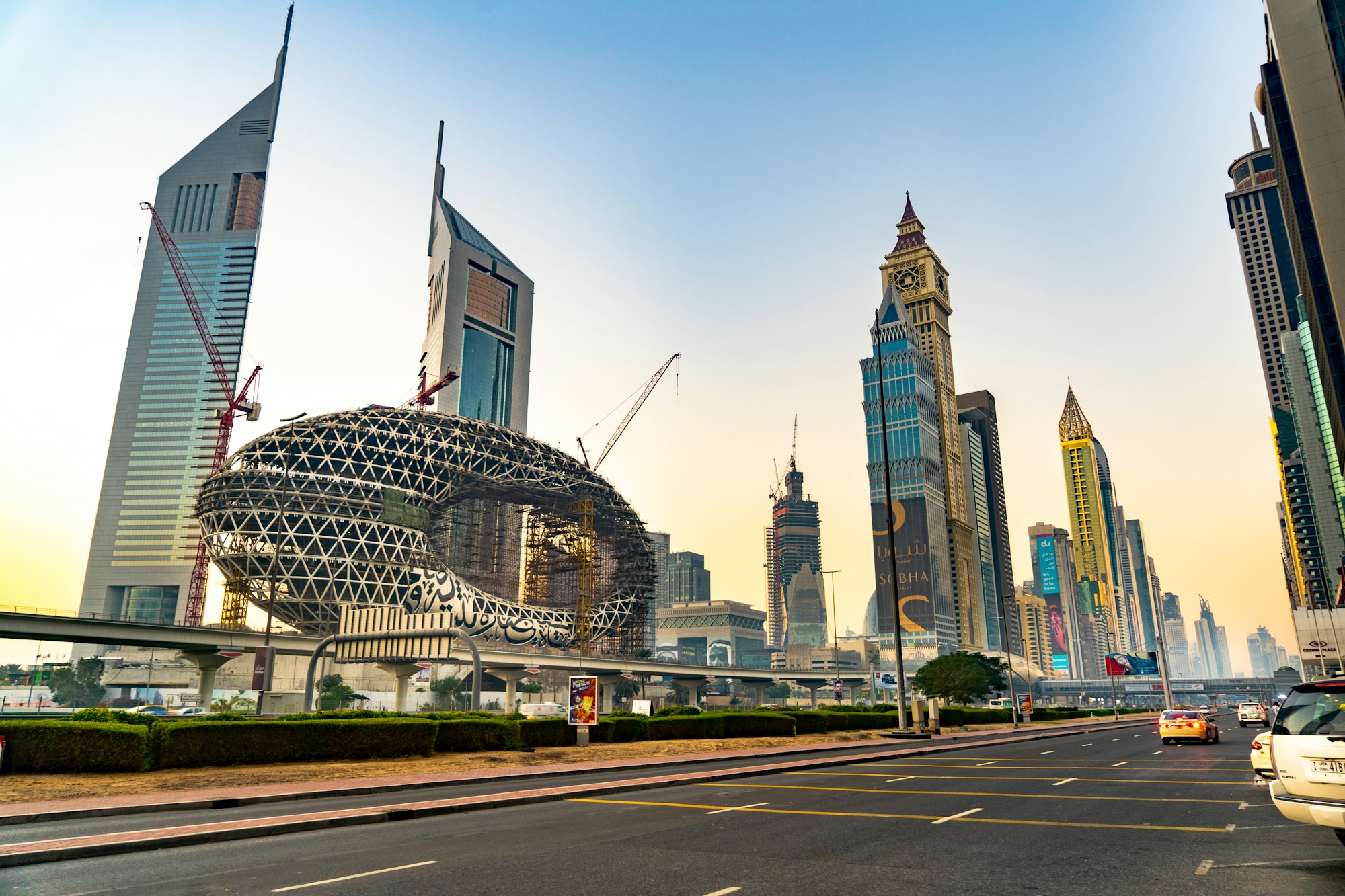
Dubai has built its reputation on defying expectations, from man-made islands shaped like palm fronds to indoor ski slopes rising out of desert sand. Posting a six-month arrival high in the heart of summer fits right into that pattern. The city is holding onto its winter crowds while also proving it can pull travelers in during the months it once treated as downtime. For anyone who assumed Dubai was a strictly cold-weather escape, the August numbers are worth a second look, and possibly a reason to move a trip up the calendar rather than waiting for the season everyone else already has circled.