You bought the smoked meat. You picked up the greens and the seasonings. So why does the finished pot still taste like something is missing?
That is the question the creator behind There’s Food At Home asks before showing how she builds her collard greens. Her answer is to build the flavor before a single leaf goes into the pot.
Her version starts with a memory. Growing up, she spent Thanksgivings in Montgomery, Alabama, with her dad and stepmom’s family, and one of her favorite things was going to the farm to pick collard greens and bring them home to cook.
Grandma Taught Her The Recipe, But Hot Sauce And Butter Are Her Own Twist
She says her grandma is the one who taught her how to make greens. Over the years she started adding a few touches of her own, and the two biggest are hot sauce and butter.
The butter brings richness and the hot sauce brings a little heat. A splash of vinegar balances it all out, so the pot does not taste heavy.
Her two goals are the flavor of the broth and the texture of the greens. She wants tender meat, tender greens and a broth you would actually want to sip.
The Ham Hocks Get A Head Start Because They Need Time To Turn Tender
She uses a pound and a half of smoked ham hocks and one pound of collard greens, and says smoked turkey works too. The hocks go into a large pot with enough water to come up the sides of the meat, plus two teaspoons of chicken bouillon.
For a small batch like this, she recommends a pot that holds 4 quarts or less, because too much water can make greens mushy. She brings it to a boil, covers it, and simmers on medium low for 45 minutes to an hour.
Salt is where her grandma’s lesson shows up. Because the hocks and bouillon are already salty, she holds off on extra salt until the end, which she says is one less thing to fix later.
“Take Your Time Here” Because Nobody Wants Grit In Their Greens
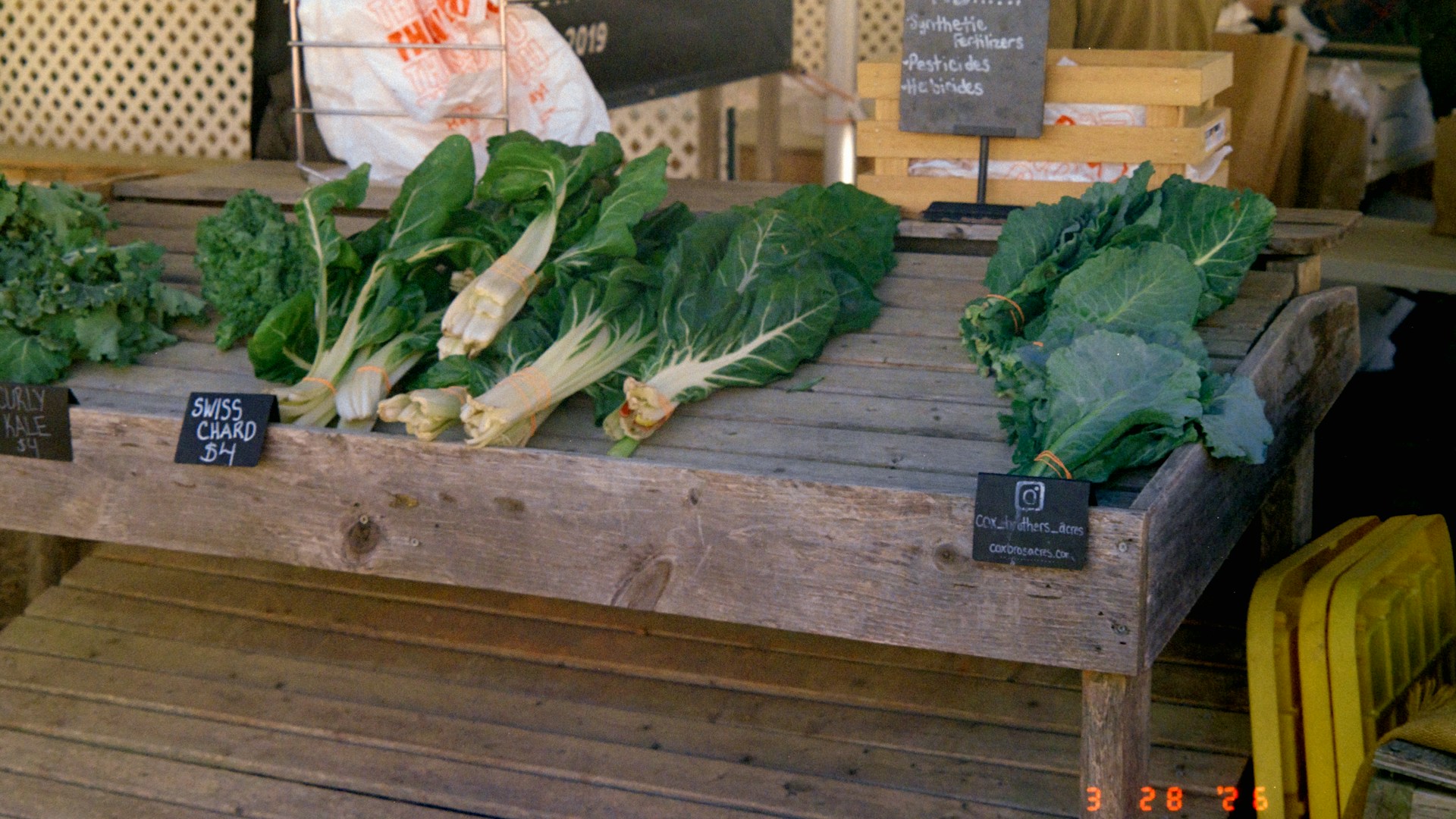
While the broth simmers, she prepares the greens. She cuts the stems off the bottom and removes the thick stems from the larger leaves, since they can be bitter, and leaves the stems on the small leaves.
Big leaves are folded in half so the stem pulls right out. Then she stacks a few leaves, rolls them up and cuts them into ribbons.
The washing step is the one she stresses most. She uses water and vinegar and washes the greens a few times to get rid of dirt and grit. “You don’t want to put all this work into your greens just to bite into some grit,” she says.
Five Tablespoons Of Butter And Two Teaspoons Of Hot Sauce Go In With The Greens
When the broth has built flavor, she adds the greens a little at a time, stirring as they wilt. It looks like too much at first, she says, but they shrink down and everything fits.
Then come the seasonings: a teaspoon of garlic powder, a teaspoon of smoked paprika, three smashed garlic cloves and pepper to taste. She adds half a tablespoon of white vinegar, two teaspoons of hot sauce and five tablespoons of unsalted butter.
Different hot sauces carry different levels of heat, she notes, which is why she keeps it to two teaspoons for a full pot. After stirring, she brings everything back to a boil, covers it and drops the heat to medium low again.
The greens simmer for at least an hour and 15 minutes, until both the greens and the meat are very tender. She then removes the bones, breaks the meat into smaller pieces and stirs it back into the pot.
The Taste Test Comes Last, And Making It The Day Before Helps
She tastes the pot at the end to decide on seasoning. This batch is good as it is, and she says that if yours needs more, add a little at a time.
If you are cooking a bigger dinner, she suggests making the greens a day ahead. She likes how they soak up the broth overnight, and it frees up a burner on the big day.
She serves them with the ham mixed through, the pot liquor underneath and a piece of cornbread on the side. She says collard greens are her favorite Thanksgiving side because they remind her of those trips to Montgomery.
A Simple Checklist For Better Collard Greens
You can use her approach as a short checklist that works for any pot of greens.
- Start the smoked meat first so it has time to get tender.
- Remove thick, bitter stems and wash the leaves several times in water and vinegar.
- Go easy on salt until the end, since smoked meat and bouillon already add plenty.
- Use butter for richness, a little hot sauce for heat and vinegar for balance.
- Taste before you add anything else.
Greens are also a good make-ahead dish for a crowded holiday kitchen. Store them in the refrigerator with their broth, and reheat gently on the stove so they stay tender.
Leftover greens keep for a few days in a covered container, and the broth is wonderful for dunking cornbread. If you cook for a smaller table, you can halve the recipe and use a smaller pot to keep the texture right.
Her closing question to her audience is a warm one. She asks who taught you to make greens and what you do differently now, because most families have a recipe that has been quietly tweaked along the way.
More Stories You May Like
- Carnival Tests A Prepaid Gratuity Sticker On Ships Like The Panorama And Sunrise, But Cruisers Say The Sneaky Part Is Still A Tip Line Added On Top Of Gratuities Already Charged
- United Becomes The First US Airline To Block AI Bots From Booking Flights For Travelers, Warning That Sharing Account Logins Could Lead To Unintended Purchases And Spent MileagePlus Miles
- Chick-fil-A Pulls Its New Chicken And Waffles Sandwich From Most Menus On November 14, But Tampa, Chicago And Raleigh Keep It Plus Four More Waffle Sandwiches In A Test That Starts November 16