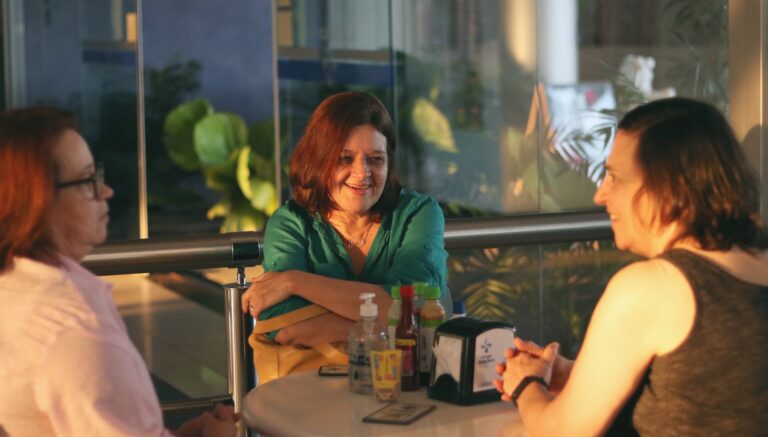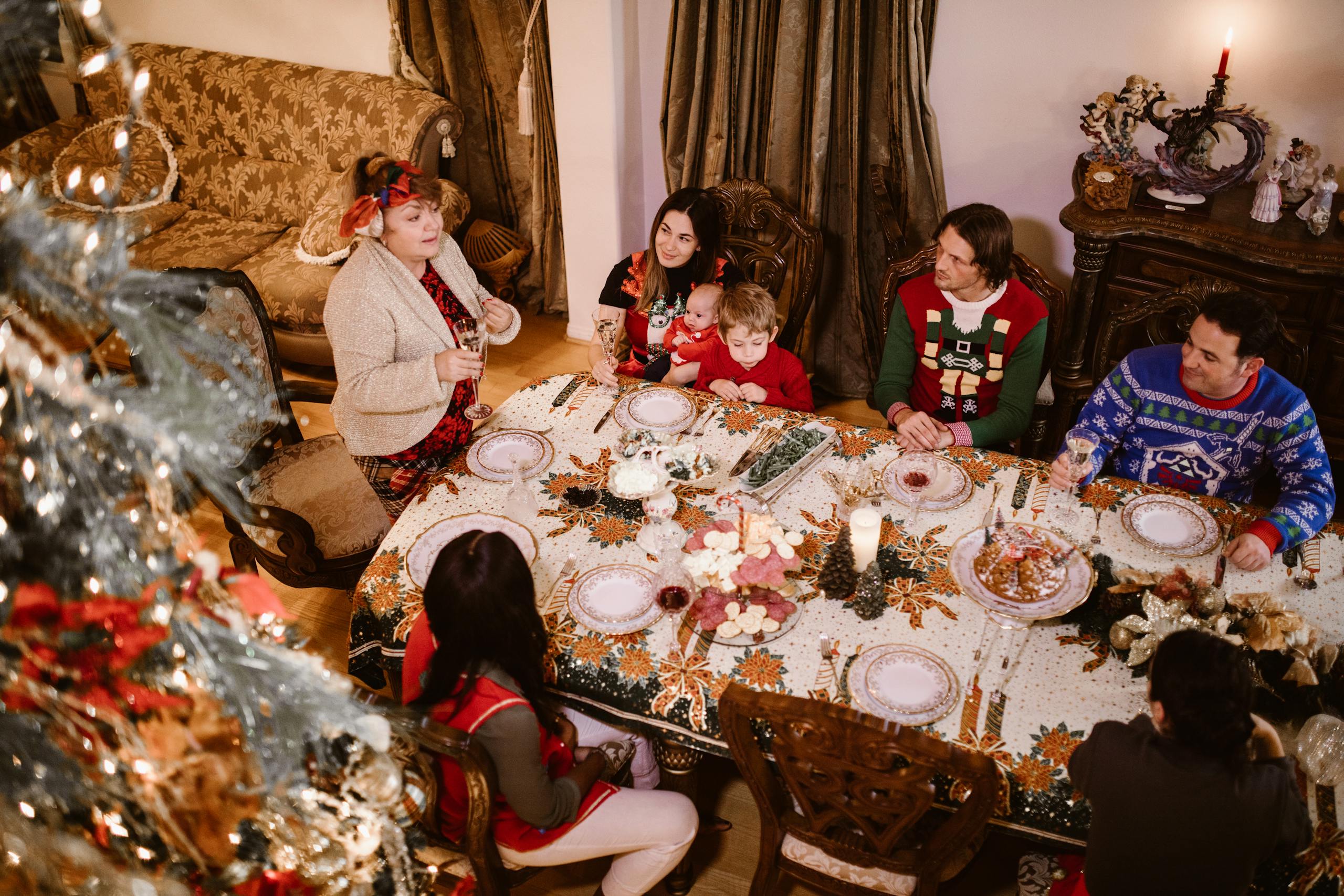
Only 25% of Americans said discussing politics with family caused them worry heading into the 2023 holiday season, according to an American Psychiatric Association poll — but that modest national number hides a sharp generational split, and it’s not really about politics at all. The tension families dread doesn’t usually erupt over the turkey or the gift exchange. It shows up later, in the stretch of unstructured time after the meal ends and the activities run out, when old family roles reassert themselves almost automatically. Family therapists have a name for why that moment is so predictable, and understanding it changes how you can prepare for it.
The Trigger Isn’t the Topic — It’s the Timing
Clinicians who study family dynamics point to something more structural than any single hot-button issue. According to The Ross Center’s clinical writing on family gatherings, stress at these events “rarely hits all at once. It often starts with small signals: your jaw tightening, your heart speeding up, your patience shrinking, or a familiar wave of dread.” Those signals tend to cluster at a specific point in the day — after the meal, once the built-in structure of cooking, serving, and eating disappears and everyone is simply sitting in a room together with nothing directing the conversation. Structured time keeps people in their adult roles: hosting, serving, coordinating. Unstructured time is when the old scripts come back out.
Why You Regress the Moment You Walk in the Door
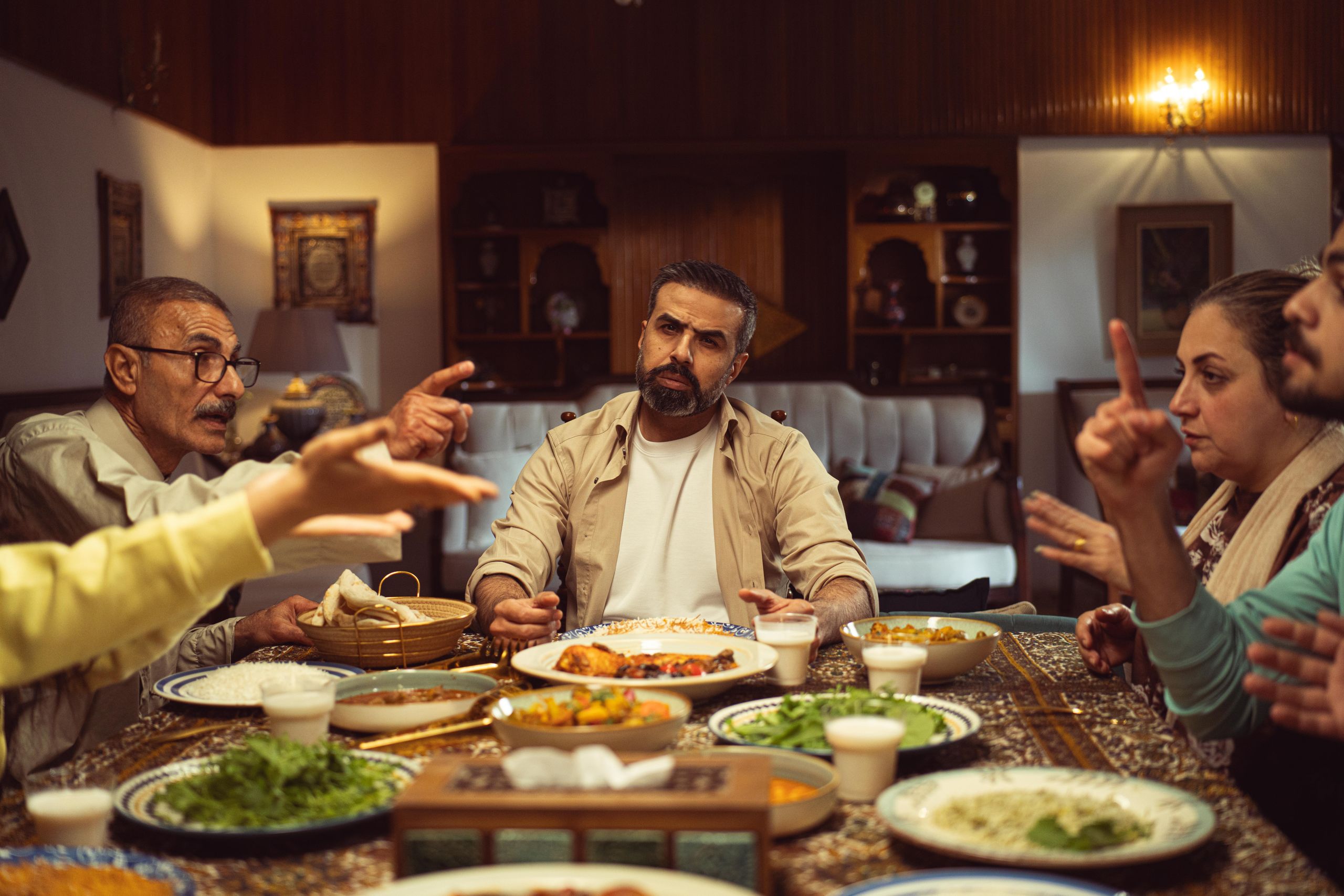
That regression isn’t a coincidence or a personal failing — it’s a documented pattern in family systems thinking. Even well-adjusted adults can find themselves slipping back into a childhood role — peacemaker, troublemaker, the funny one — the moment they’re back in a room with their family of origin, according to clinical guidance on family gathering dynamics. The pull intensifies specifically “when we are nervous, worried, insecure, or overwhelmed,” per the same guidance — conditions that describe most people at a holiday gathering by definition. Because everyone at the table is operating from their own long-established role, breaking the pattern requires more than one person deciding to act differently. It requires recognizing that the whole system is choreographed, and that stepping outside your assigned part will feel unfamiliar to everyone else in the room too, not just to you.
Where Politics Actually Fits In
Political disagreement remains a real flashpoint, just not the dominant one people assume. Rebecca Brendel, M.D., J.D., then-president of the American Psychiatric Association, wrote in the organization’s own published guidance that people should “have an ally or someone who you trust in your family to help you shift the topic if things get uncomfortable,” and that “shutting down conversations that are causing friction and changing the subject is a good strategy.” The data backs up why that advice matters more for some guests than others: a 2024 YouGov poll found that 31% of adults under 30 expected to get into a political argument at Thanksgiving, compared with just 5% of adults 65 and older — a generational gap that’s grown since 2023, when only 11% of Americans overall anticipated a political fight at the table, versus 17% the following year.
What Actually Helps in the Moment
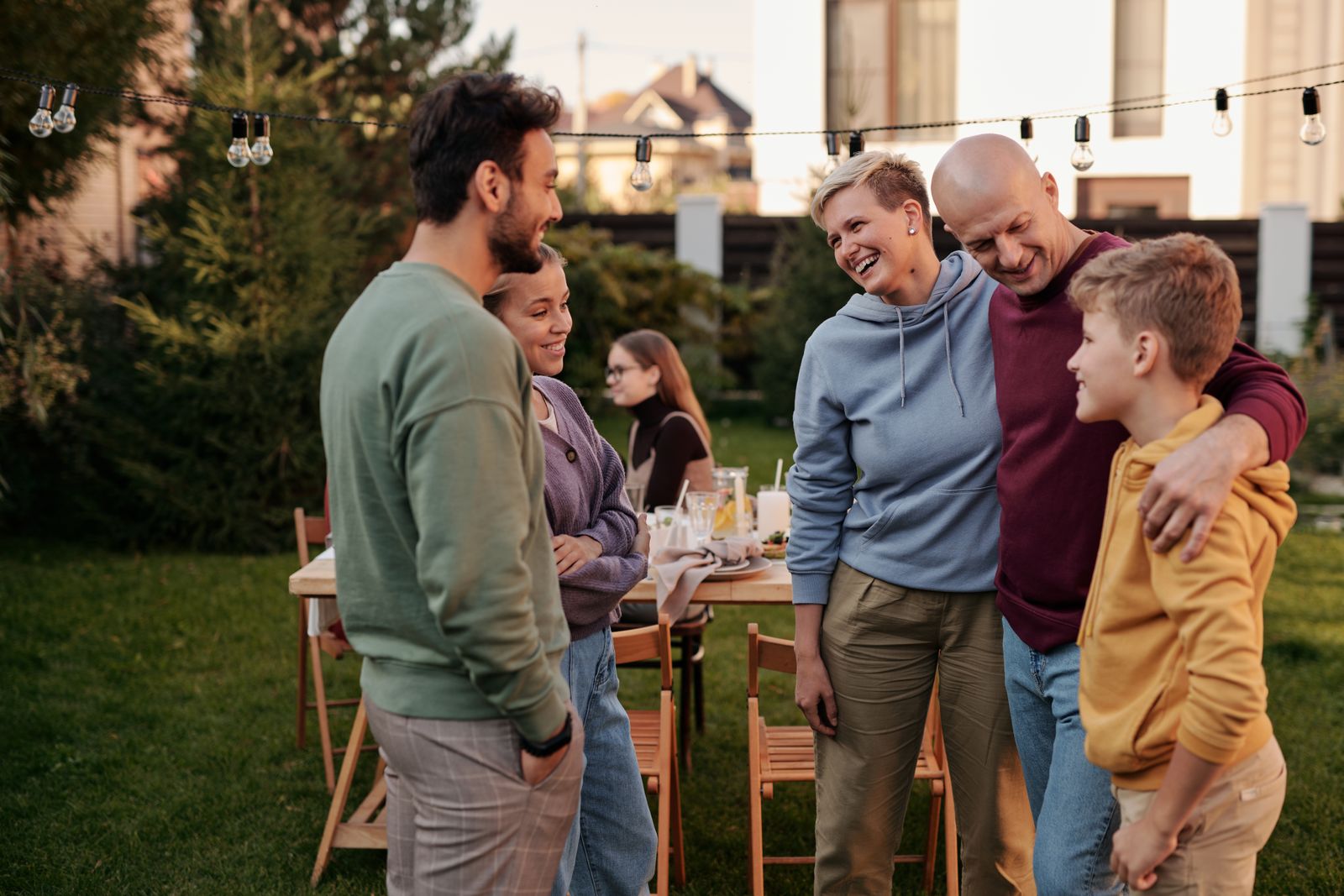
The most consistent advice from clinicians isn’t about avoiding hard subjects altogether — it’s about noticing the shift before it fully happens. Brendel’s guidance also recommends separating “positions from people to avoid bringing old issues into the mix” and deliberately steering toward what a family has in common rather than where it splits. The Ross Center’s approach is similar in spirit: identify your own specific triggers — a certain relative, a certain comment, a certain silence — before the gathering starts, rather than trying to manage the reaction once it’s already underway. Because the conflict tends to arrive at a predictable point in the day, once the structure of the meal gives way to open time, that predictability is actually useful. It means you can plan an activity, a walk, a game, anything that keeps some structure in place through the exact window when things usually go sideways, rather than being caught off guard by a moment that, statistically, was always going to come.
None of this requires overhauling the whole event. It just means treating the lull after dinner as the part of the gathering that actually needs a plan, rather than assuming the hard part is getting everyone seated at the table in the first place. A loose structure for that stretch — clearing dishes together, starting a game, stepping outside for air — keeps the same built-in guardrails that made the meal itself feel manageable. The goal isn’t to avoid your family. It’s to recognize the one window where the odds are stacked against you, and to have something ready for it.