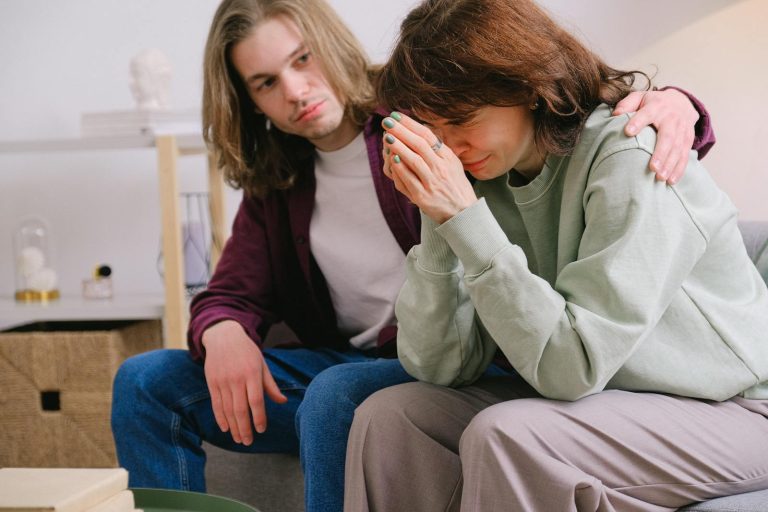
In a modern world where relationships are often complicated by technology and emotional trauma, one young woman found herself navigating the murky waters of love, loss, and the boundaries that define healthy connections. At 24 years old, she had recently emerged from a tumultuous relationship with her ex-boyfriend, a 25-year-old man whose life took a catastrophic turn after a horrific car crash.

The relationship itself had already been on shaky ground for several months. From August to December of the previous year, they shared a home, but the constant arguing wore down their bond. In a desperate bid to salvage things, she suggested couples therapy—an effort she felt could help them communicate better. However, what followed was a decision that would ultimately send their relationship down a darker path. He moved back in with his parents, without so much as a fruitful discussion. This swift exit left her feeling blindsided and confused, and she opted for no contact to heal her wounds.
January passed, and she tried to piece her life back together, only to be jolted by news that would change everything. Her ex had been involved in a devastating car crash that took the lives of five friends, leaving him and one other survivor behind. The tragedy struck hard; one of the deceased was a close friend of hers. In the midst of his recovery, he reached out, seeking the emotional support she once had given him. Despite their recent breakup, she felt compelled to offer him comfort during such a dark time.
Initially, it seemed like they were finding some common ground. She was there for him as he navigated his trauma, but soon, the situation grew increasingly uncomfortable. He seemed to forget the dynamics of their relationship, often bringing up intimate connections that he assumed would remain intact. Whenever she expressed her feelings about wanting to address the unresolved issues between them, he would deflect, making it seem as though he was the one at fault for their problems. It created a heavy atmosphere, especially since she had so many unresolved feelings about how things ended.
Adding insult to injury, there were small but hurtful moments—like him forgetting her birthday, then asking her to be his Valentine, only to go silent on the actual day. These instances compounded her feelings of being undervalued, particularly given the emotional toll of their breakup and his traumatic experience. Her kindness, which she had extended freely, began to feel like an emotional burden as he leaned on her without reciprocating any accountability or consideration.
The tipping point came when he expressed anger over her attending a coworker’s birthday party. His reaction was explosive, with him declaring that he “despised” her and wanted nothing to do with her. This was a familiar pattern for him: when faced with insecurities, he would lash out, leaving her to pick up the pieces of her own emotions after every confrontation. Frustrated and feeling discarded, she decided enough was enough and blocked him. This choice felt liberating, though it was also accompanied by a pang of guilt.
Two days into their no-contact period, her phone buzzed with an unexpected call. It was him, crying and expressing his deep sorrow over the loss of his friends and the accident. Striking a balance between compassion and maintaining her boundary, she agreed to talk, providing him with a listening ear. However, when he grew upset over her commuting during their conversation, he abruptly hung up, leaving her reeling from the unpredictability of his emotions.
Shortly after, she sent him a text, attempting to articulate her feelings without re-entering the chaos of their interactions. She expressed condolences for his loss and reiterated her wish to maintain no contact. Yet, even as she typed those words, a wave of guilt washed over her—a contradiction that made her question her stance. Was it wrong to prioritize her emotional well-being at a time when he was feeling so vulnerable?
As the dust settled, she found herself wrestling with the emotional aftermath of her decision. On one hand, she recognized her need for boundaries; on the other, she felt compassion for someone who had experienced such profound trauma. The struggle between wanting to be there for someone she once cared deeply about and the necessity of guarding her own heart created a heavy dichotomy.
In a world where relationships are rarely black and white, she was left grappling with the shades of gray that life throws at us. Navigating love, loss, and the complexities of human connection, she pondered whether her actions were justified or if she had crossed a line in the name of self-preservation.
More from Cultivated Comfort:
- 7 Vintage Home Items From the ’60s That Are Collectors’ Dream Finds
- 7 Vintage Home Goods That Became Collectors’ Gold
- 7 Fast-Food Chains That Changed for the Worse
- 7 Frozen Dinners That Were Better Back in the Day

As a mom of three busy boys, I know how chaotic life can get — but I’ve learned that it’s possible to create a beautiful, cozy home even with kids running around. That’s why I started Cultivated Comfort — to share practical tips, simple systems, and a little encouragement for parents like me who want to make their home feel warm, inviting, and effortlessly stylish. Whether it’s managing toy chaos, streamlining everyday routines, or finding little moments of calm, I’m here to help you simplify your space and create a sense of comfort.
But home is just part of the story. I’m also passionate about seeing the world and creating beautiful meals to share with the people I love. Through Cultivated Comfort, I share my journey of balancing motherhood with building a home that feels rich and peaceful — and finding joy in exploring new places and flavors along the way.