

McDonald’s menu prices climbed roughly 40 percent between 2019 and 2024, and by early 2026 the company was rolling out a nationwide “McValue” menu built around items priced under $3. That reversal, from years of steady price creep to a scramble for lower price points, is happening across nearly the entire fast food industry at once. Wendy’s has its Biggie Deals. Taco Bell has a Luxe Value Menu. Burger King is cutting prices on core items too. None of this is a coincidence, and none of it is happening because chains suddenly feel generous.
The pressure comes from the customers who used to be the industry’s most reliable base. Lower- and middle-income diners have been pulling back hardest, and the shift shows up in real numbers: 44 percent of lower-income consumers report dining out less than they did the previous year, according to reporting from the Food Institute. Those same diners have been redirecting spending toward dollar stores, warehouse clubs, and grocery deals instead of drive-thrus. When a meal that once felt like a cheap, fast option starts requiring the same budgeting as a sit-down dinner, the “fast food is affordable” pitch stops working, and traffic data has been showing the strain across the category.
The numbers behind the reversal
photo credit: unsplash
The National Restaurant Association’s own 2026 State of the Restaurant Industry outlook projects total restaurant and foodservice sales will reach $1.55 trillion in 2026, but real sales growth is expected to land at just 1.3 percent, a modest figure once inflation is stripped out. More telling is the association’s finding that more than seven in ten adults say they would eat out more often if they simply had more disposable income. Chief economist Chad Moutray framed the path forward plainly, saying operators who succeed will be the ones “delivering value and providing satisfying menu innovation that resonates with consumers.” That’s an industry group, not a single chain, acknowledging that price sensitivity has become the defining constraint on growth rather than a temporary blip.
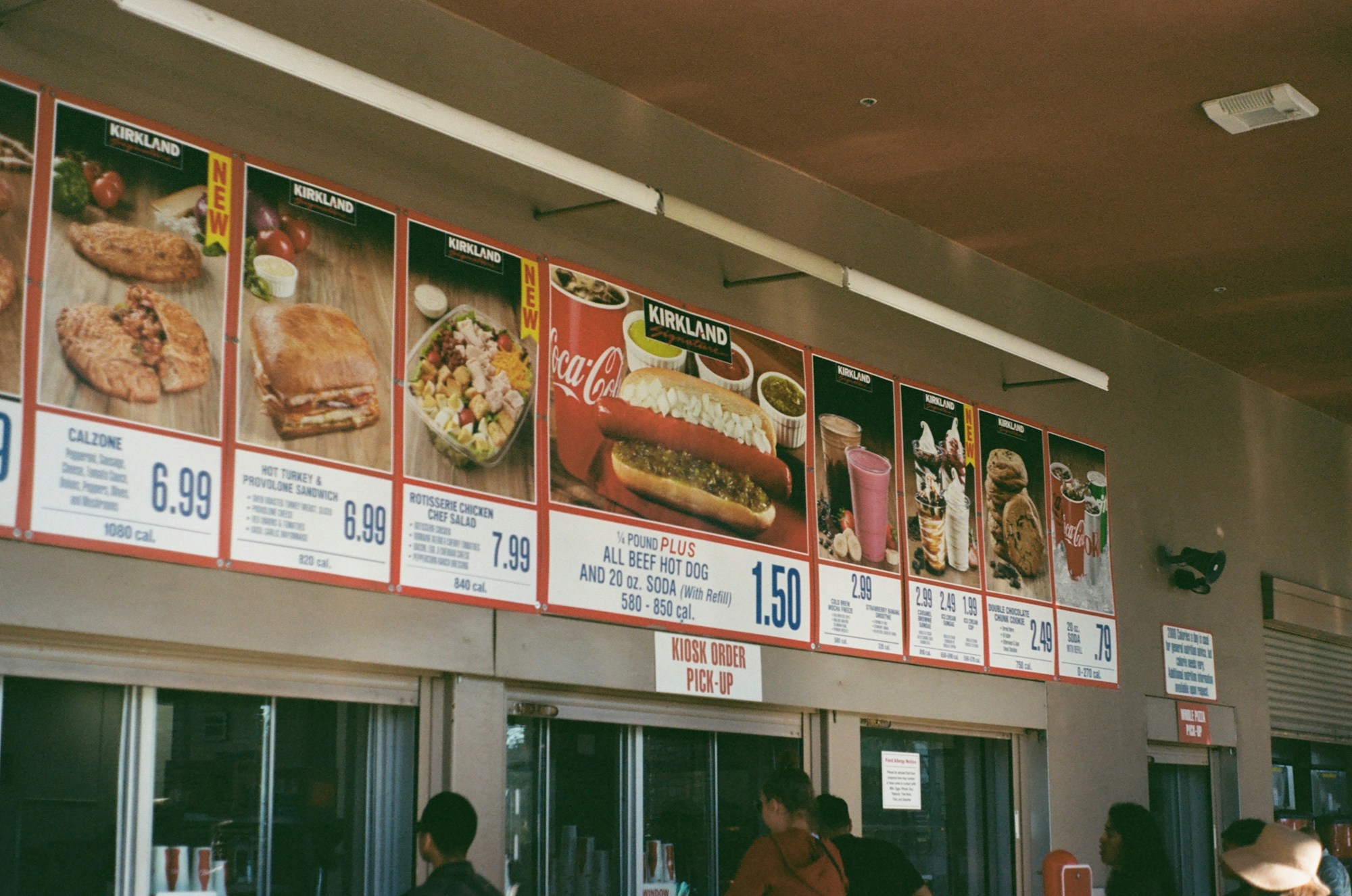
McDonald’s response has been the most visible. Its McValue menu, set to roll out nationwide, pairs ten items priced under $3 daily, including a $1.50 Sausage McMuffin and a $2.50 McDouble, with $4 breakfast bundles and $5-to-$6 lunch and dinner combos, according to coverage of the company’s own announcement. The company has been explicit that the goal is winning back middle-class customers who felt priced out after years of post-pandemic increases, and it’s pitching the new menu as predictable everyday pricing rather than the app-only coupon deals that made earlier value pushes feel like a scavenger hunt.
That distinction matters. A lot of the industry’s earlier attempts at “value” in 2023 and 2024 leaned on limited-time bundles, mobile app exclusives, and $5 meal deals that required downloading an app and navigating a promo code. The current wave is different in scale and in structure. Chains are now building individual items priced around $3 into permanent menus rather than temporary offers, which is a bigger commitment than a bundle that disappears after eight weeks. It also signals that operators no longer see this as a short-term traffic play; they’re treating affordability as a standing menu category.
None of this means fast food is becoming cheap again in any absolute sense. Costs for food, labor, insurance, and other operating expenses remain elevated, and the National Restaurant Association’s own data shows more than nine in ten operators still cite those pressures as significant challenges. Chains aren’t cutting prices out of comfort. They’re doing it because the alternative, watching traffic keep eroding among the customers who built the category in the first place, is worse for business than thinner margins on a few core items.
What’s changed is the acknowledgment. For a few years, price increases moved forward steadily because demand held up well enough to absorb them. Now the industry’s own trade group and its biggest player are both saying, in their own words, that the old model stopped working. A $1.50 muffin and a $2.50 double cheeseburger won’t undo years of accumulated price hikes, but they’re a clear signal that the chains that spent years testing how much customers would tolerate have found the ceiling, and they’re building their next menus around staying under it instead of pushing past it again.

