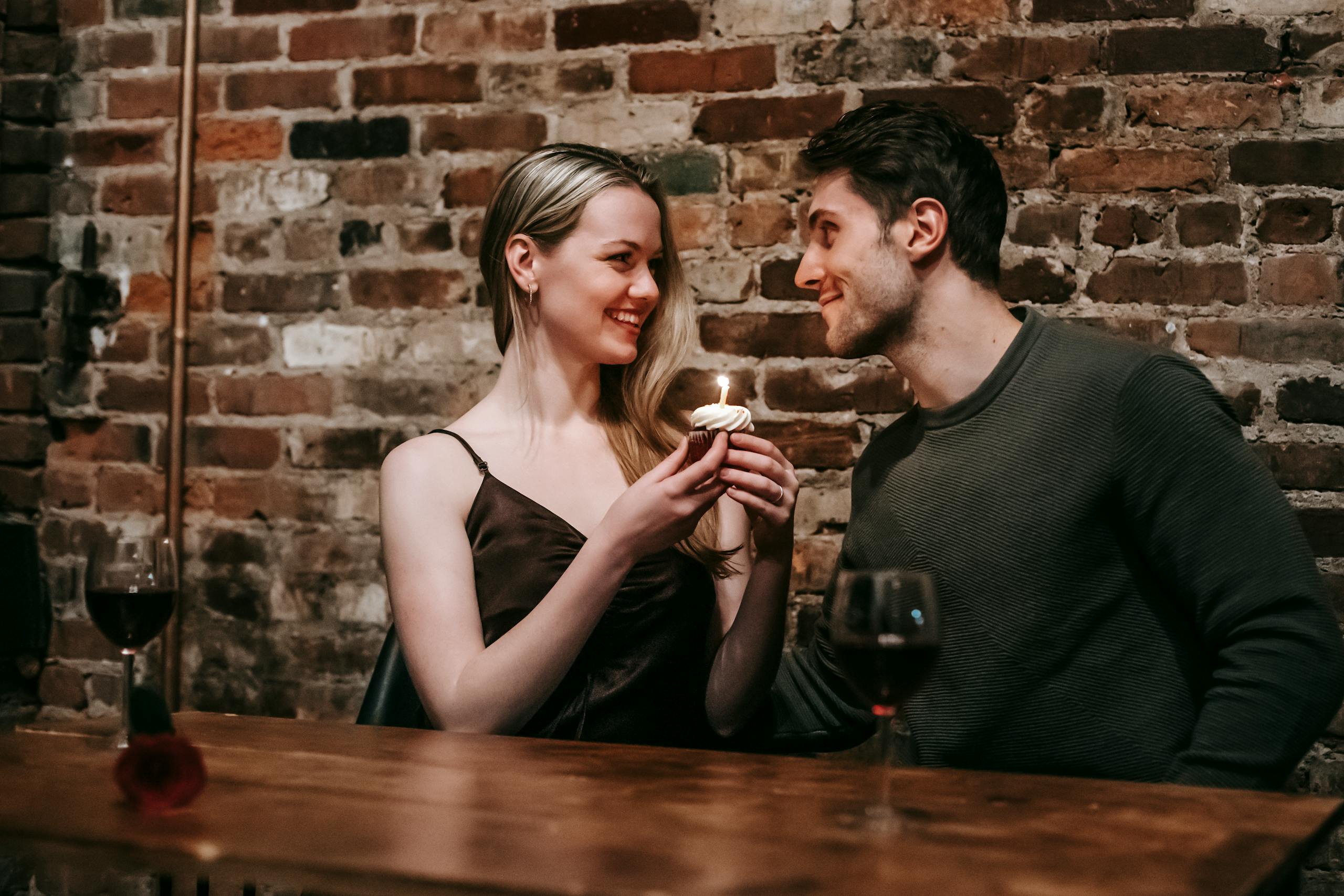
You used to be able to grab coffee with someone you met on an app and spend eight dollars figuring out whether there was a second date in your future. That math has changed. The average date in the United States now costs $189, according to BMO’s 2026 Real Financial Progress Index, up from $168 just a year earlier — a 12.5% jump that outpaces general inflation by a wide margin. Singles are absorbing that cost by dating less, not by spending less per date, and the bank’s researchers say the shift is reshaping how people approach romance altogether. Nearly half of unattached Americans say they’ve started to wonder whether dating is worth the money at all.
The Math Behind Date-Flation
BMO’s survey, conducted by Ipsos among 2,501 U.S. adults between December 29, 2025, and January 27, 2026, found that Americans now spend an average of $2,323 a year on dating overall. That’s a steep line item for people who are also managing rent and groceries, both of which got more expensive over the past few years. The frequency side of the ledger tells the real story: the average single went on roughly 12 dates in 2026, down from about 14 the year before. You’re not imagining it if dating has started to feel like a luxury you ration rather than a normal part of your social calendar. BMO’s figures carry a ±2.4% credibility interval, which means the direction of the trend — fewer dates, more dollars per date — is the part worth paying attention to, more than any single number.

Half of Singles Are Opting Out
Forty-seven percent of singles surveyed by BMO said dating is no longer financially worth it, and half of all Americans reported going on fewer dates or switching to cheaper activities specifically because of the cost. The generational split is sharp. Millennials reported spending an average of $252 per date, a 32% jump from 2025, making them the priciest daters of any age group BMO tracked. Gen Z wasn’t far behind at $205, up from $194 the year before. Half of Gen Z respondents and 40% of Millennials said dating expenses are actively interfering with their broader financial goals, a sign that the cost of courtship has stopped being a minor irritation for younger daters and started competing directly with rent and savings. For a lot of people in their twenties and early thirties, that competition is showing up as fewer restaurant reservations and more low-cost stand-ins, like splitting a bottle of wine on a couch instead of booking a table.
Serious Couples Lean on Each Other, Too
Committed couples aren’t escaping the squeeze either. BMO found that 58% of people in serious relationships now describe themselves as financially dependent on their partner, compared with 40% who said the same in 2025. Paul Dilda, BMO’s Head of U.S. Consumer Strategy, put it plainly in the bank’s release: “With spending on dating outpacing inflation, singles can feel priced out of love. Whether it’s a long-term relationship or a first date, it has never been more challenging to ensure the path to love is also the path to real financial progress.” His comment points to something the numbers already show. Money stress doesn’t end once you find a partner — it just moves further into the relationship.
A Second Survey Saw This Coming
BMO isn’t the first financial company to notice singles pulling back their wallets. LendingTree, which surveyed more than 2,000 U.S. consumers in August 2024, found that 65% of active daters said inflation had already changed how they date, and 21% said they were going on fewer dates specifically because of rising costs. Even then, 59% of respondents said a typical first date ran somewhere between $50 and $199, a range that lines up with where BMO’s 2026 average eventually landed. The two surveys used different methods, different years and different sample sizes, but they point in the same direction: the price of getting to know someone has been climbing for a while, and singles have been adjusting their behavior in response the entire time.
The assumptions behind a casual first meeting — a $6 latte, a $12 happy-hour drink — no longer match what restaurants, bars and coffee shops charge in most cities today. Couples and singles who are adjusting fastest aren’t necessarily spending less on any single date. They’re getting more honest, with themselves and with whoever they’re seeing, about what fits into twelve dates a year instead of twenty. That kind of honesty, oddly enough, may end up telling you more about a potential partner than a fancy tasting menu ever could.

As a mom of three busy boys, I know how chaotic life can get — but I’ve learned that it’s possible to create a beautiful, cozy home even with kids running around. That’s why I started Cultivated Comfort — to share practical tips, simple systems, and a little encouragement for parents like me who want to make their home feel warm, inviting, and effortlessly stylish. Whether it’s managing toy chaos, streamlining everyday routines, or finding little moments of calm, I’m here to help you simplify your space and create a sense of comfort.
But home is just part of the story. I’m also passionate about seeing the world and creating beautiful meals to share with the people I love. Through Cultivated Comfort, I share my journey of balancing motherhood with building a home that feels rich and peaceful — and finding joy in exploring new places and flavors along the way.