Nineteen percent of couples now enter full wedding planning mode before they are even engaged, according to Zola’s 2026 First Look Report — nearly one in five pairs building mood boards, discussing budgets, and touring venues while the ring is still sitting in a jewelry store case. Separately, The Knot’s Real Weddings Study found that seven in ten couples take some kind of wedding-related action before the proposal happens at all. Somewhere along the way, the proposal stopped functioning as a starting gun and turned into more of a formal announcement for plans that were already quietly underway.

The Planning Starts Long Before the Ring
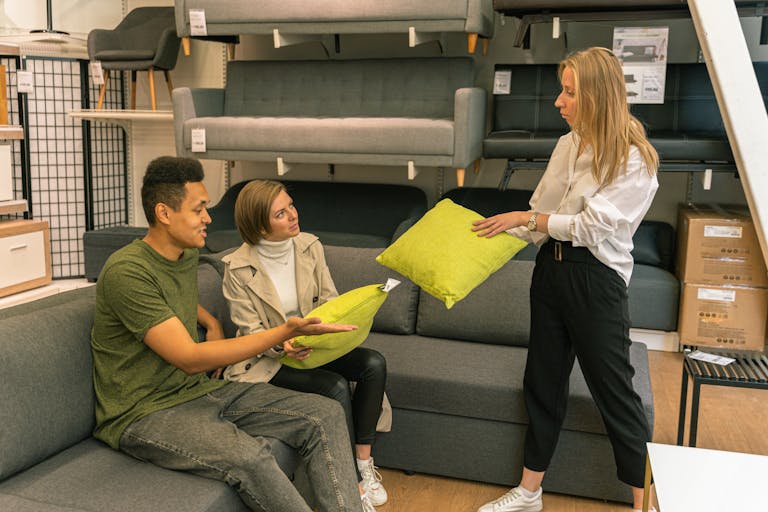
Zola surveyed couples who got engaged or married in the past year and found that pre-engagement planning is not a fringe habit reserved for control freaks — it is close to becoming standard practice. Twenty-eight percent of couples build a mood board before the proposal even happens, one in ten tour venues, and seven percent go so far as to book one, according to the same report. Add in the fact that fifty-five percent of couples shop for engagement rings together rather than the partner popping the question flying solo, and the picture that emerges is less “surprise” and more “shared production,” with two people quietly steering the same plan from two different directions.
The Knot’s data points in the same direction from an entirely separate sample. Their 2026 Real Weddings Study, based on more than ten thousand couples married the previous year, found that the most common pre-engagement activity is creating a shared Pinterest board, followed closely by researching wedding costs, scouting marriage locations, and browsing attire online. None of that requires a ring. It only requires two people who already know they are heading toward a wedding and see no reason to wait for a formal announcement to start doing the fun parts of the homework.
Why the Big Question Isn’t Really a Surprise Anymore
Zola’s report also found that sixty-eight percent of couples say they mutually decided when to get engaged, rather than one partner planning a surprise the other never saw coming. That number reframes what a lot of the wedding industry still markets as a single dramatic reveal. The Knot’s study backs this up with specifics: fifty-seven percent of couples discuss marriage or engagement more than a year before the actual proposal, sixty-four percent talk through the size of wedding they want while they are still just dating, and sixty percent settle on a rough time of year long before there is a ring involved.
That timeline shift matters because it changes what a proposal is actually accomplishing. If the couple already agrees they are getting married, has a guest count in mind, and has quietly toured two venues, the moment on one knee is doing something closer to marking a milestone than opening negotiations. It is still emotional. It is just no longer the first conversation about any of it.
What Early Planning Actually Buys a Couple
There is a practical reason this trend keeps growing beyond changing romantic norms: timing. Popular venues and vendors in competitive markets book out eighteen to twenty-four months in advance, and pricing tends to climb every season. A couple who starts touring spaces and pricing photographers before the engagement is official is not jumping the gun — they are protecting their date and their budget in a market that rewards early movers. Given that sixty-nine percent of couples report receiving financial help from family for the wedding, per Zola’s findings, getting ahead of decisions early also gives couples more room to have the harder budget conversations with parents before emotions and deposits are already on the table.
There is also a quieter benefit nobody markets on a save-the-date: couples who have already talked through size, budget, and general vibe before the proposal tend to avoid the whiplash of trying to make every one of those decisions in the emotional, adrenaline-soaked weeks right after getting engaged. Spreading that decision-making out over months, instead of cramming it into a single giddy season, gives both partners more room to actually agree rather than just go along with whoever is talking fastest.
What all of this really describes is a shift in how couples treat the lead-up to marriage: less as a single choreographed surprise and more as a project two people build together in real time, ring or no ring yet. The proposal still gets the flowers, the photos, and the phone call to grandma. It just isn’t carrying the weight of being the actual start.