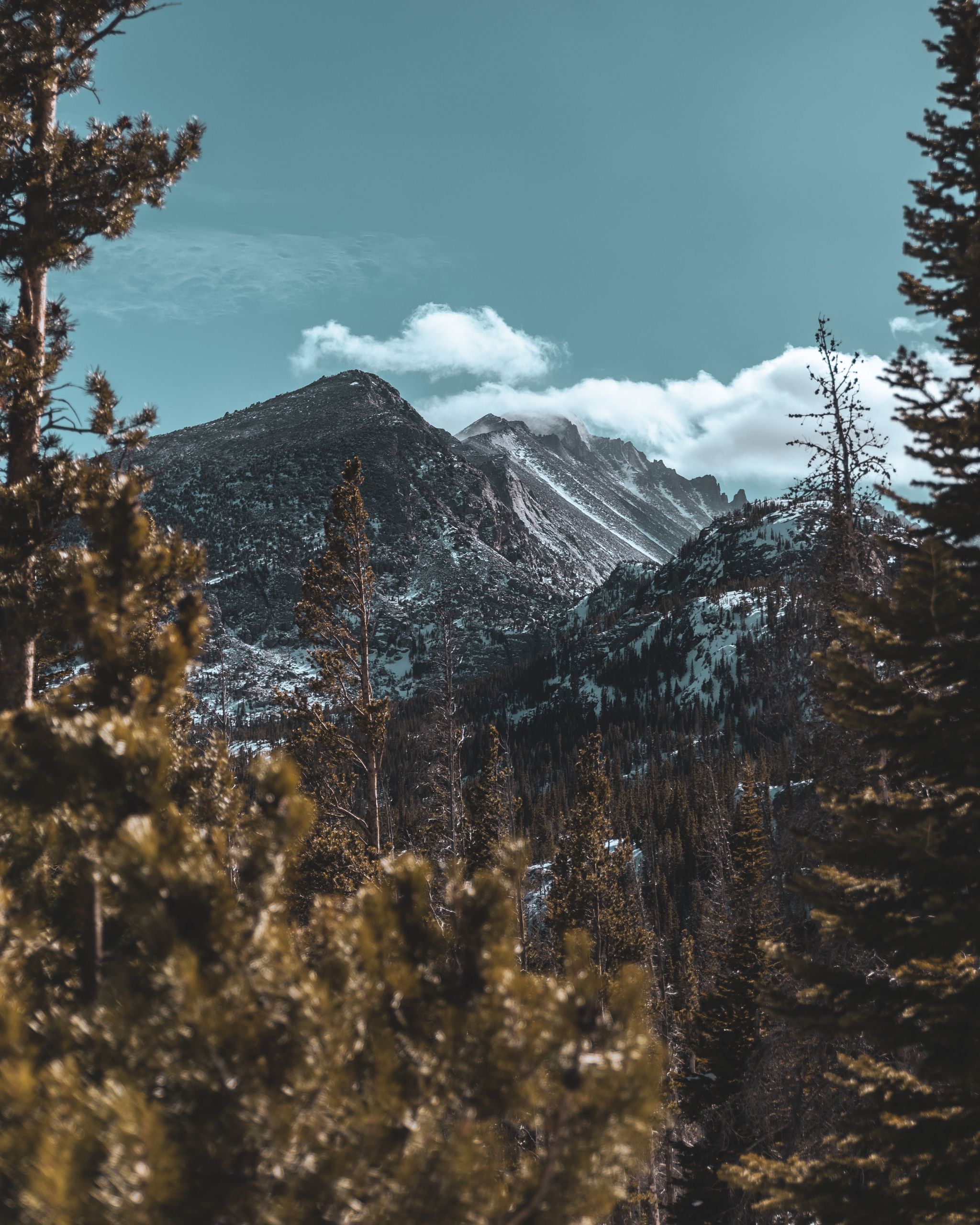
Yosemite, Arches, and Glacier National Park will not require timed-entry vehicle reservations in 2026, ending a system that had defined summer trip planning at three of the country’s most visited parks for years. Yosemite’s own February 18, 2026 news release cites an analysis of 2025 traffic and parking data showing most weekdays had capacity to spare. Arches dropped its requirement the same day, according to the park’s official announcement. Glacier confirmed no vehicle reservation would be needed for Going-to-the-Sun Road this year either, per its own visitor FAQ. For travelers who’ve spent years refreshing recreation.gov at 7 a.m. for a shot at a permit, that’s a real shift in how a park trip gets planned.
What Each Park Is Doing Instead
None of the three parks is simply throwing the gates open with no plan. Yosemite Superintendent Ray McPadden said in the park’s release that “while reservation systems are one valuable management tool, our data demonstrates that a season-wide reservation requirement is not the most effective approach for the coming season.” In place of reservations, Yosemite is adding real-time traffic monitoring, active parking management, extra staffing during peak periods, and a push toward weekday visits and off-Valley destinations. Arches Superintendent Lena Pace pointed to the same trade-off, noting the park still expects entrance lines and tight parking at peak hours even without the reservation system. Glacier, meanwhile, is capping parking at Logan Pass to three hours between July 1 and September 7 and running a $1 ticket-only shuttle for visitors who want more time there.
Not Every Park Is Following Suit
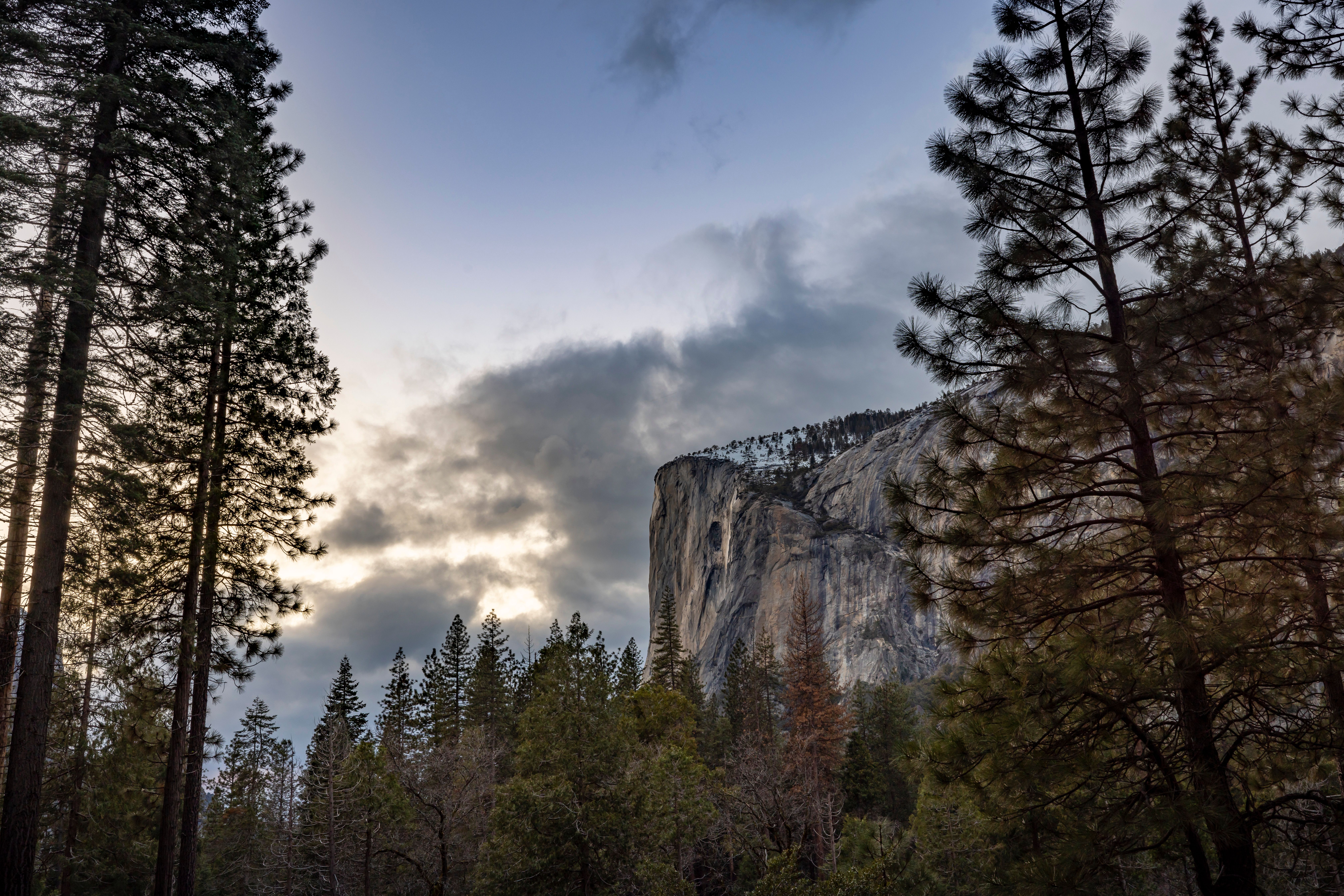
The change is specific to these three parks, not a nationwide policy shift. Rocky Mountain National Park is doing the opposite for 2026, launching its timed-entry system on May 22 with separate permits for the Bear Lake Road corridor and the rest of the park, according to the park’s own announcement. Several other high-demand parks are keeping their reservation systems in place this year as well, so travelers heading anywhere other than Yosemite, Arches, or Glacier should still check each park’s current entry rules before assuming reservations are gone for good.
What This Means for Trip Planning
Spontaneity is back on the table for these three parks, but so is the uncertainty that reservations were designed to remove. Arriving at Arches or Yosemite Valley at 11 a.m. on a July Saturday could still mean turning around and coming back later, since parking lots fill regardless of whether a permit was required to get there. The parks’ own guidance points toward early mornings, weekdays, and lesser-known trailheads as the more reliable way to avoid the crowding a reservation system used to manage. The reservation is gone. The crowds it was built to handle are not.