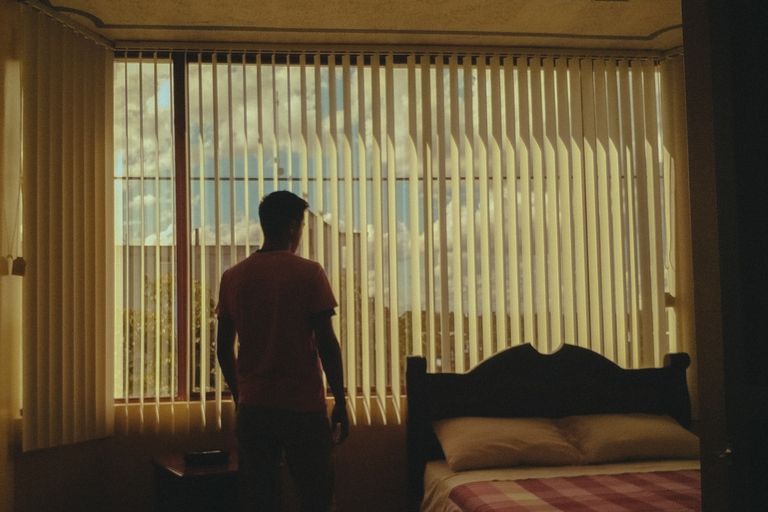
During the final year of his graduate program, Brian found himself drowning in expectations. Between juggling classes, research, and personal commitments, the pressure began to pile up. The looming deadline for his thesis felt like a mountain he could not climb. Facing the prospect of failing to graduate, he made a choice that would haunt him for years to come.

Brian spent countless nights sitting in the dim light of his apartment, surrounded by a mess of books, articles, and half-finished drafts. But no matter how hard he tried to stitch together a coherent thesis, he felt stuck. Frustration mounted, and as graduation approached, panic set in. He stumbled upon a handful of academic papers that seemingly held the answers he needed. They were obscure studies, buried deep within archives that most of his peers wouldn’t even think to explore.
In a moment of desperation, Brian began to copy large portions of these papers, making minor tweaks to the language so it would appear original. He was confident that the plagiarism detection software used by his university wouldn’t flag his work, given that these papers were from less-known researchers. When he finally submitted his thesis, a sense of relief washed over him; he had met his deadline and graduated with his peers.
The days that followed were a blur of celebrations. Friends congratulated him, and he felt the warmth of their pride. Brian secured a job in his field soon after graduation, using his degree as a stepping stone to climb the corporate ladder. His career flourished; promotions came his way, accolades were handed out, and he appeared to be a rising star in his industry. Yet, the success felt tainted—an unshakeable weight of guilt settled within him.
As the years passed, the facade became increasingly difficult to maintain. In meetings, Brian found himself participating in discussions where he could only nod along, pretending to have depths of knowledge that were never truly his. Colleagues would reference theories or insights that he had lifted from those obscure papers, conversations that were a constant reminder of the unfair advantage he had taken. Each compliment felt like a knife in his gut, a silent acknowledgment that he was riding on the coattails of others’ hard work.
What gnawed at him deeper was the thought of the original researchers. He had read their names in passing, skimmed their work for the sake of his own success, and then buried their contributions without a second thought. They had dedicated their lives to advancing knowledge in their fields, often with limited recognition, while he had taken their brilliance and repackaged it as his own. The irony was not lost on him; he had built a career on stolen ideas while their names languished in anonymity.
Brian couldn’t shake the notion that one day, the truth might come to light. The constant fear of being outed loomed over him like a dark cloud. He knew he had to maintain a delicate balance; one slip in a meeting could lead to questions about his expertise, and one critical glance from a colleague could unravel the elaborate web he had woven. Every time someone praised his accomplishments, he felt the urge to confess, yet the thought of revealing his secret made his blood run cold. He could only imagine the fallout—his career shattered, friendships destroyed, and the shame of revealing his deception.
Life continued, and the weight of his actions remained. On sleepless nights, he thought about reaching out to the researchers or their institutions, but the fear of repercussions held him back. He envisioned writing an apology, acknowledging their contributions, and perhaps trying to give back in some way. But fear won out every time. How could he confront those he had robbed, when he could barely confront himself? The guilt was his constant companion, a reminder of the line he had crossed and the integrity he had forsaken.
Years later, walking into meetings filled with capable, honest professionals felt like a performance he was desperately trying to keep up. The fear of being called out haunted him, and the shame of being an imposter weighed heavy on his conscience. Brian had built a life on shaky foundations, and in the quiet moments when he was alone, he could hear the whispers of the researchers he had undone, their hard work echoing through his thoughts. His success was a mirage, and he couldn’t escape the realization: he was living a lie.
More from Cultivated Comfort:
- 7 Vintage Home Items From the ’60s That Are Collectors’ Dream Finds
- 7 Vintage Home Goods That Became Collectors’ Gold
- 7 Fast-Food Chains That Changed for the Worse
- 7 Frozen Dinners That Were Better Back in the Day