Lavender, with its soothing fragrance and attractive purple blooms, is a favorite among indoor gardeners. Growing lavender indoors can seem daunting, but with the right approach, it’s a low-maintenance plant that can thrive without much fuss. This guide will walk you through the essentials of cultivating lavender indoors with ease.
Choosing the Right Lavender Variety
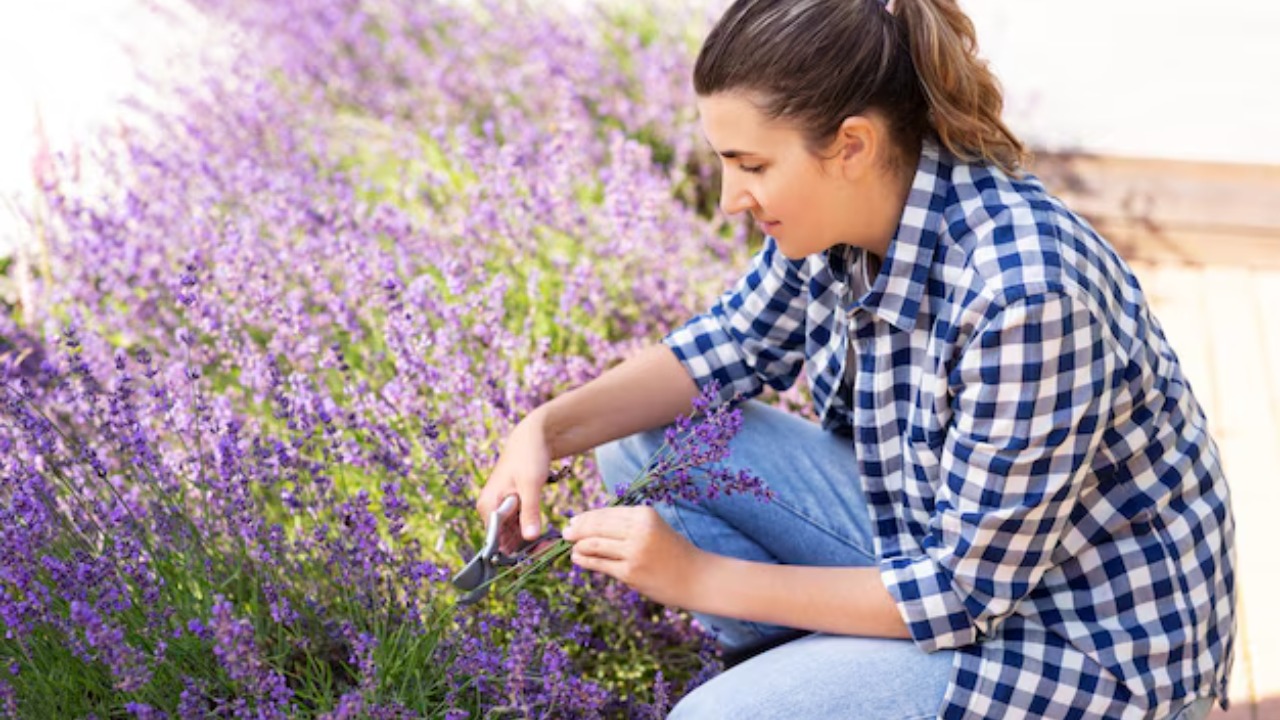
When it comes to choosing a lavender variety for indoor growth, English lavender (Lavandula angustifolia) is often recommended. Its compact growth habit makes it ideal for small spaces while still delivering the classic lavender aroma and vibrant blooms. Another excellent choice is French lavender (Lavandula dentata), known for its unique appearance and slightly different scent profile, adding variety to your indoor garden.
For those who have limited space, dwarf varieties are especially beneficial. These smaller plants are easier to manage indoors and often come with the added benefit of increased disease resistance. This is a crucial consideration as indoor environments can sometimes exacerbate issues like mold and pest infestations. Selecting a robust variety will help ensure a healthy lavender plant that requires minimal intervention.
Optimal Growing Conditions
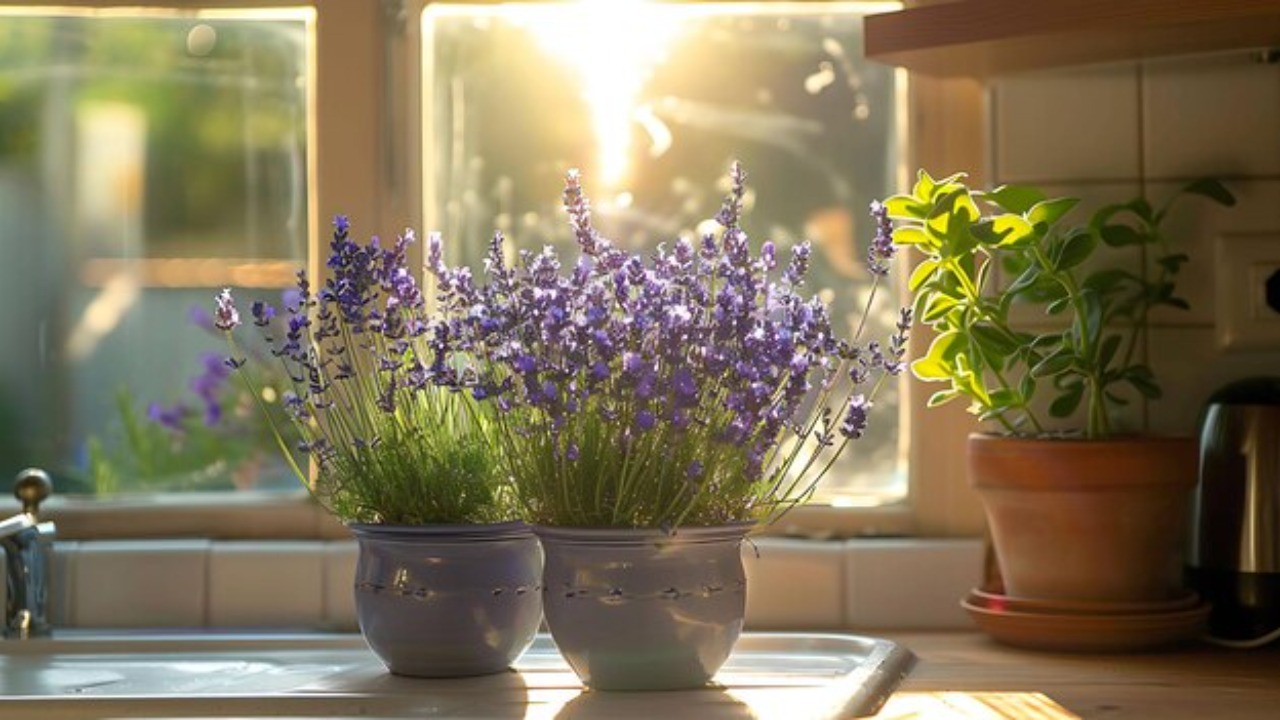
Lavender thrives in bright, direct sunlight, making it essential to place your plant in a sunny window. South-facing windows are ideal, but if your home lacks adequate natural light, consider using grow lights to supplement the light levels. This ensures that your lavender receives the necessary light requirements to flourish indoors.
Temperature and humidity also play significant roles in indoor lavender care. Aim to maintain indoor temperatures between 65°F and 75°F during the day and slightly cooler at night. Good air circulation is crucial to prevent mold, so avoid placing your lavender in areas of high humidity or stagnant air. A small fan can be used to encourage air movement, keeping your lavender healthy and mold-free.
Planting and Care Tips
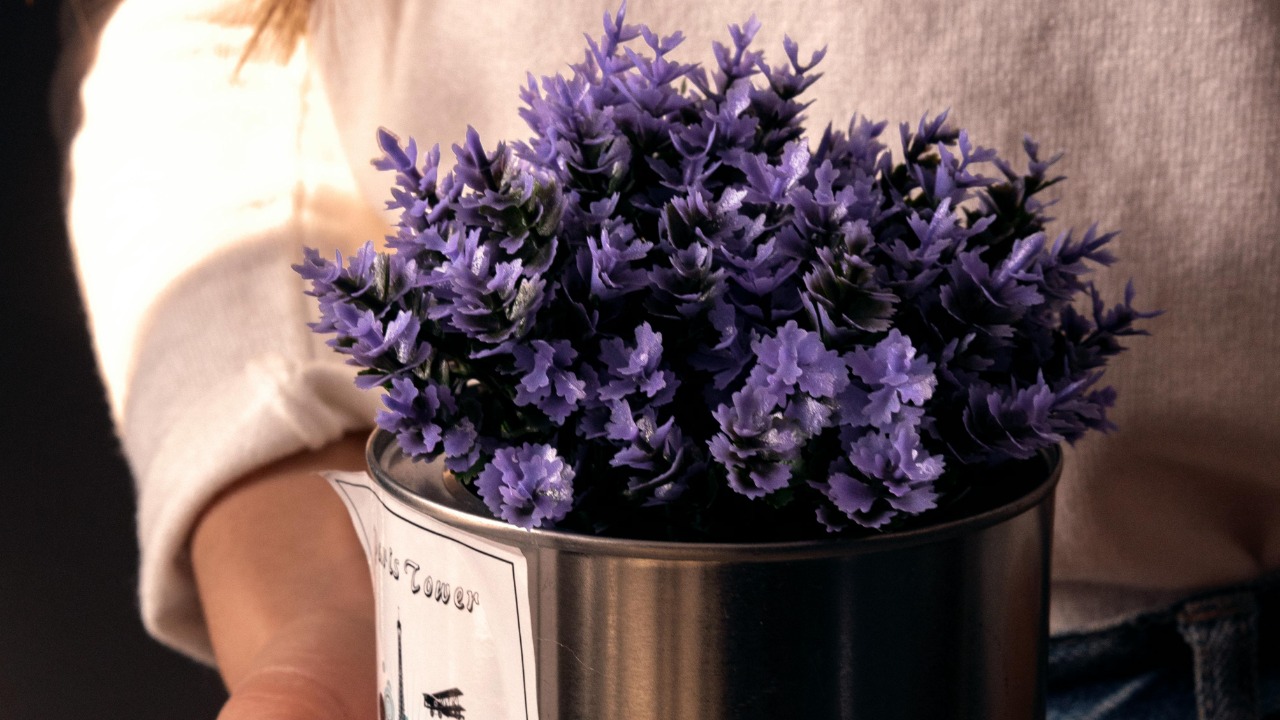
For successful indoor lavender cultivation, start with well-draining soil mixtures. A blend of potting soil, sand, and perlite is often recommended to ensure that water does not accumulate around the roots, which can lead to rot. Additionally, select a pot with adequate drainage holes to further prevent waterlogging.
When it comes to watering, it’s important to strike a balance. Overwatering is a common mistake and can lead to root rot. Allow the top inch of soil to dry out between waterings. As for feeding, a diluted, balanced fertilizer applied once a month during the growing season will support your plant’s health and growth.
Troubleshooting Common Issues
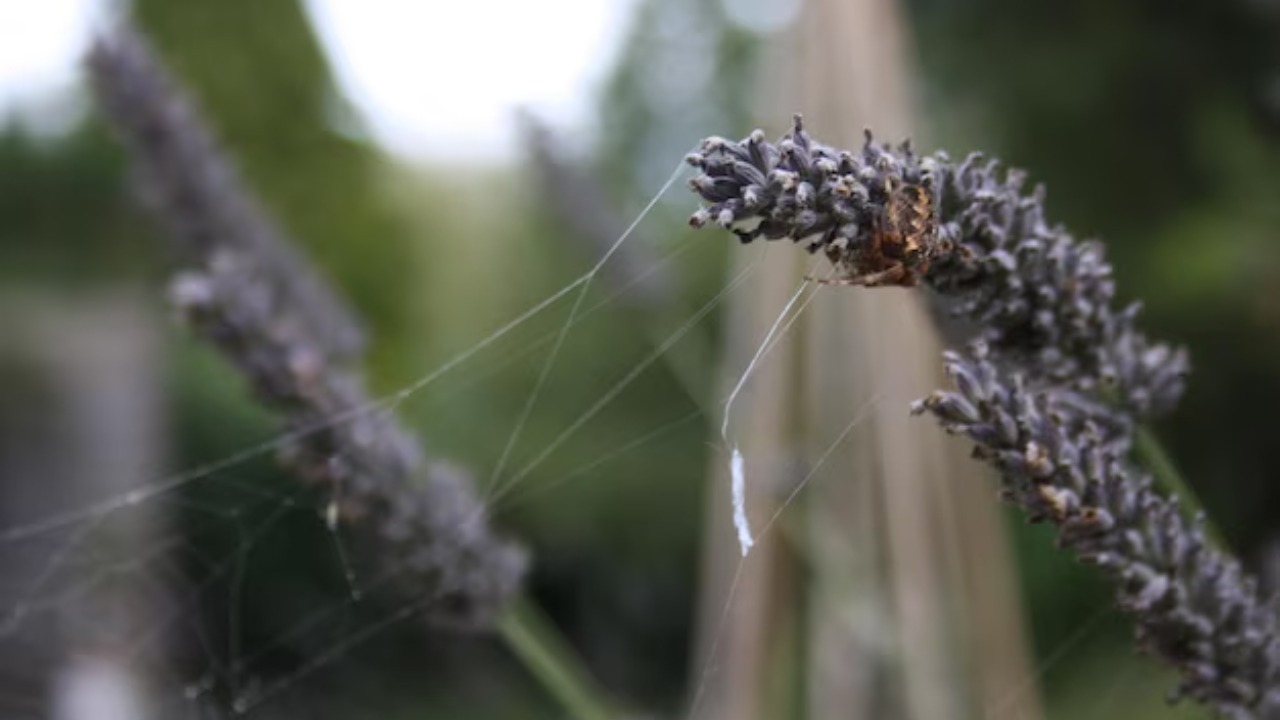
Indoor lavender can occasionally fall prey to pests such as aphids and spider mites. Regularly check your plants for these pests and employ natural remedies, such as neem oil, to manage infestations. Preventive measures, like maintaining proper air circulation and avoiding overwatering, can also help keep pests at bay.
Common growth challenges include leggy growth and a lack of blooms. These issues often result from insufficient light or improper pruning. To encourage healthy development, make sure your plant receives adequate light and consider pruning back any overgrown areas to promote bushier growth. Regularly trimming spent blooms can also stimulate the production of new flowers, keeping your lavender vibrant and flourishing.

As a mom of three busy boys, I know how chaotic life can get — but I’ve learned that it’s possible to create a beautiful, cozy home even with kids running around. That’s why I started Cultivated Comfort — to share practical tips, simple systems, and a little encouragement for parents like me who want to make their home feel warm, inviting, and effortlessly stylish. Whether it’s managing toy chaos, streamlining everyday routines, or finding little moments of calm, I’m here to help you simplify your space and create a sense of comfort.
But home is just part of the story. I’m also passionate about seeing the world and creating beautiful meals to share with the people I love. Through Cultivated Comfort, I share my journey of balancing motherhood with building a home that feels rich and peaceful — and finding joy in exploring new places and flavors along the way.