A father walks through the front door at 1 a.m., suit wrinkled, eyes glassy, still carrying the weight of a funeral wake where every uncle pressed another drink into his hand. His partner is on the couch with two screaming newborns, running on four hours of broken sleep. She hands him a baby and heads for the bedroom. He sits down, leans back, and within minutes his chin drops to his chest with the infant still on his lap.
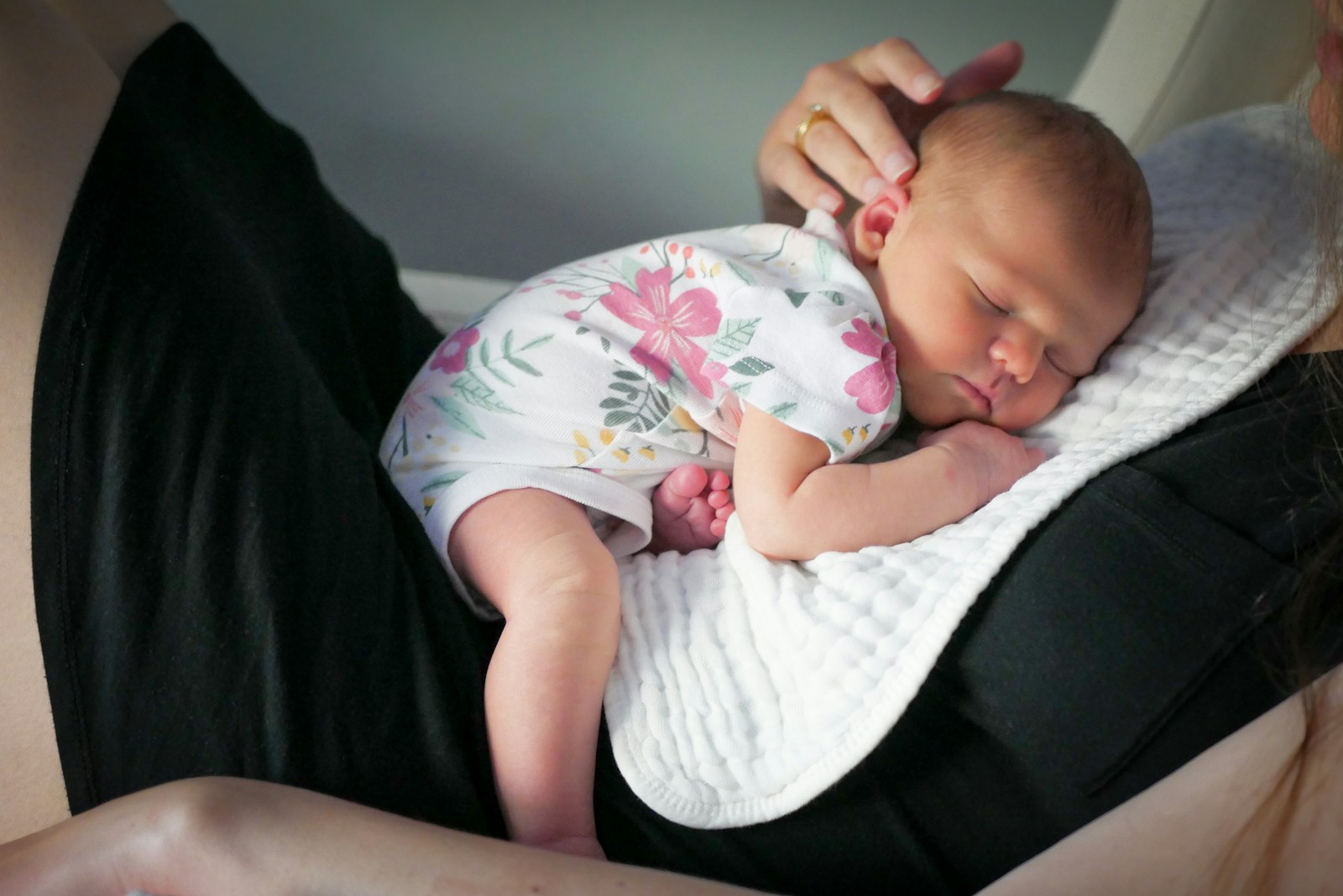
Scenes like this one, described in parenting forums and relationship advice threads, rarely make headlines. But they sit at the intersection of three forces that define early parenthood: grief that does not wait, exhaustion that compounds by the hour, and infant safety rules that do not bend for either. When one caregiver returns home impaired and the other has already been solo-parenting all day, the question is not just “whose turn is it?” It is whether anyone in the house is safe enough to hold the baby at all.
Why the newborn phase is harder than people think
Relatives love to say the first few months are the easy part. The baby cannot run into traffic or flush a shoe down the toilet. But parents living through those months describe a different reality: round-the-clock feeds every two to three hours, obsessive breathing checks, and a level of sleep deprivation that research has compared to the cognitive impairment caused by legal intoxication. A 2010 study published in Occupational and Environmental Medicine found that staying awake for 17 to 19 hours produced performance deficits equivalent to a blood alcohol concentration of 0.05 percent, and longer wakefulness pushed that figure higher.
For parents of twins, the math is punishing. Two feeding schedules, two diaper rotations, and the near-certainty that one baby will wake the other. When one partner leaves for a funeral or any evening obligation, the parent at home absorbs all of that alone. If the returning partner comes back unable to safely take over, the solo parent faces an involuntary double shift with no relief in sight. The frustration that builds is not about one bad night. It is about the pattern it reveals: that one person treated the hardest stretch of parenting as something they could opt out of when life got complicated.
The real danger of an impaired caregiver
Parental exhaustion is not just unpleasant. It is a documented risk factor for infant death. According to the Centers for Disease Control and Prevention, approximately 3,400 sudden unexpected infant deaths (SUID) occur in the United States each year, and a significant portion involve unsafe sleep environments, including infants placed on couches, adult beds, or soft surfaces with an impaired caregiver.
The American Academy of Pediatrics’ 2022 safe sleep policy is explicit: infants should always be placed alone, on their back, on a firm, flat surface free of soft bedding. The AAP specifically warns against falling asleep with an infant on a couch, armchair, or cushioned surface, calling these situations “extremely hazardous.” The policy also flags caregiver impairment from alcohol, sedating medications, or extreme fatigue as factors that increase the risk of overlay and suffocation during bed-sharing.
This is where a wake night becomes a safety problem, not just a relationship problem. A parent who has been drinking and is fighting exhaustion may fully intend to place the baby in a bassinet. But the body does not cooperate with good intentions at 2 a.m. Nodding off on the couch with an infant on your chest is one of the most common scenarios in accidental suffocation cases, and alcohol makes it far more likely.
Planning before the crisis, not during it
Couples who navigate these collisions well tend to have one thing in common: they talk logistics before anyone walks out the door. That means asking uncomfortable questions in advance. If you are going to a wake, who is covering the overnight feed? If you plan to drink, is there a backup caregiver, a grandparent, a friend, anyone who can step in sober? If no backup exists, how many drinks is the limit, and what time are you home?
These conversations feel transactional, and some parents resist them because grief should not come with a curfew. But the alternative, an impaired adult stumbling into a nursery at 1 a.m. while the other parent seethes, is worse for everyone, including the baby. Parenting forums are full of couples who skipped this planning step and ended up in a trust crisis that outlasted the newborn phase by years.
Practical safeguards also help. The AAP recommends that if a caregiver is too impaired to safely hold or feed an infant, the baby should be placed in a bassinet or crib immediately, not held during a feeding or carried around the house. A parent who recognizes they are past the point of safe caregiving can still do one critical thing right: put the baby down on a firm, flat surface and ask for help. That single decision has saved lives.
The phase that feels permanent but is not
One reason the newborn months generate so much conflict is that they feel endless while you are in them. But infant development moves fast. According to What to Expect, most babies begin pulling to stand between 9 and 12 months, and the total dependence of the early weeks, when a baby cannot hold up their own head, let alone roll or crawl, gives way to mobility sooner than most sleep-deprived parents believe possible.
That does not make the current moment easier. But it reframes the stakes. The period when an infant is most vulnerable to unsafe sleep environments is also the period when parental fatigue peaks and relationship strain is highest. Families who survive it without a safety incident or a permanent rift tend to be the ones who treated those early months as a shared emergency rather than a series of individual negotiations about who deserved a break more.
A funeral wake is a legitimate reason to leave the house. Grief is not optional, and social rituals around death matter. But parenthood changes the math on every outing, every drink, and every late night. The partner who walks back through the door owes it to the one who stayed home, and to the baby asleep in the next room, to return in a condition where they can actually help. When that does not happen, the damage is not just to the relationship. It is to the fragile safety net that keeps a newborn alive through the hardest months of everyone’s life.
“`
More from Cultivated Comfort:
- 7 Retro Home Features That Builders Should Bring Back
- 7 Antique Finds That Are Surprisingly Valuable Today
- 7 Forgotten Vacation Spots Your Parents Probably Loved
- 6 Boomer China Patterns That Are Selling Like Crazy Online

As a mom of three busy boys, I know how chaotic life can get — but I’ve learned that it’s possible to create a beautiful, cozy home even with kids running around. That’s why I started Cultivated Comfort — to share practical tips, simple systems, and a little encouragement for parents like me who want to make their home feel warm, inviting, and effortlessly stylish. Whether it’s managing toy chaos, streamlining everyday routines, or finding little moments of calm, I’m here to help you simplify your space and create a sense of comfort.
But home is just part of the story. I’m also passionate about seeing the world and creating beautiful meals to share with the people I love. Through Cultivated Comfort, I share my journey of balancing motherhood with building a home that feels rich and peaceful — and finding joy in exploring new places and flavors along the way.