

In the culinary world, mastering heat control is crucial for achieving delicious results. Every chef understands the importance of managing heat to bring out the best flavors, textures, and aromas in their dishes. Here are six essential heat control rules that chefs swear by.
1) Master the Art of Preheating
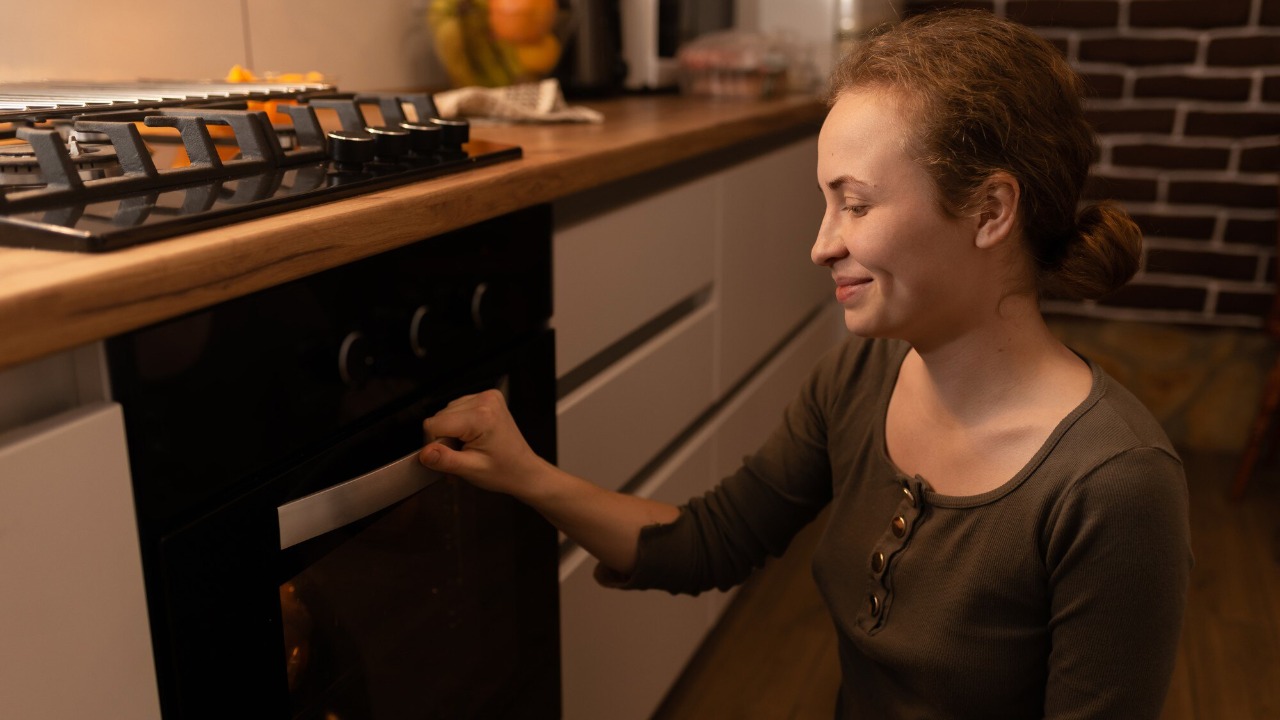
Preheating your cookware is the first step towards culinary success. Whether you’re using a skillet or an oven, allowing it to reach the desired temperature before adding ingredients ensures even cooking and prevents sticking. I’ve learned that preheating a pan for a few minutes can make the difference between a perfectly seared steak and a pale, lackluster one.
For example, when roasting vegetables, a preheated baking sheet will give them a beautiful caramelization. This simple step can significantly enhance the flavor and texture of your dishes. Remember, patience is key—give your cookware the time it needs to reach the right temperature.
2) Choose the Right Pan for the Job
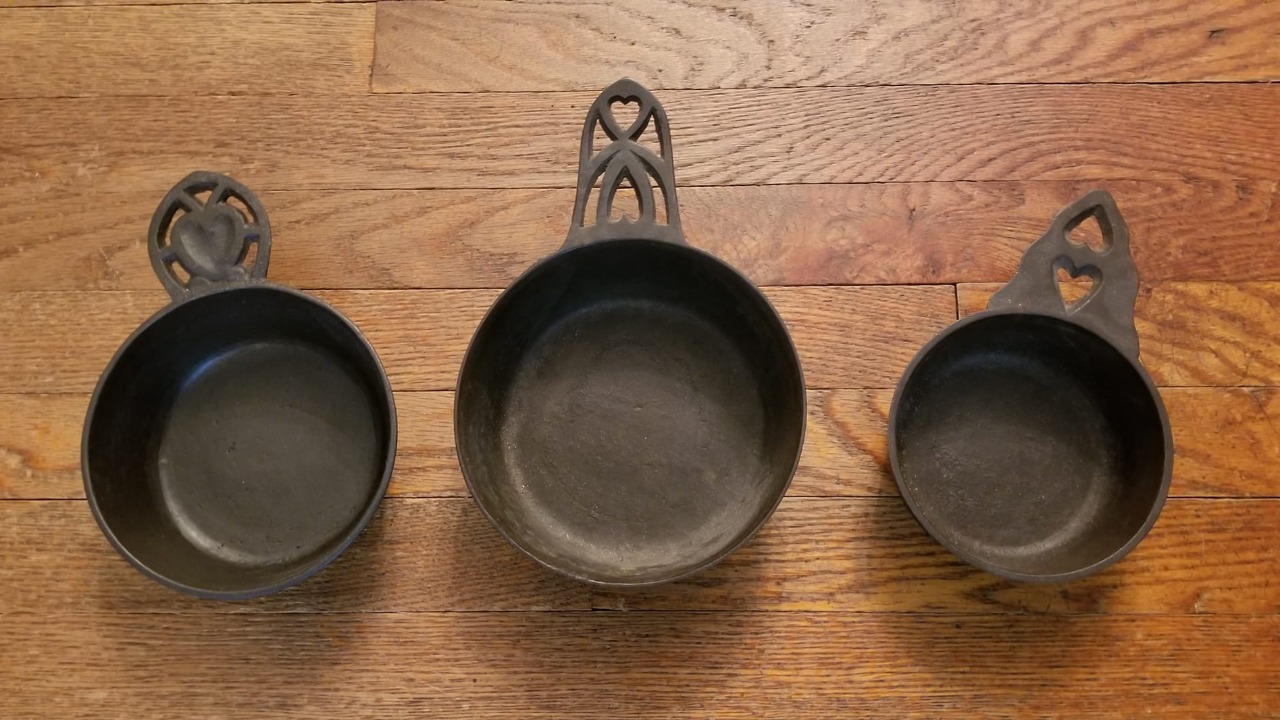
Using the correct type of pan can greatly influence your cooking results. Chefs often select pans based on the material, size, and shape to suit the dish they are preparing. For instance, a cast-iron skillet retains heat well, making it perfect for high-heat searing, while a non-stick pan is ideal for delicate foods like eggs.
I find that investing in a variety of pans allows me to tackle any recipe with confidence. A stainless steel pan is my go-to for browning meats, while a sauté pan with high sides is perfect for simmering sauces. Choose wisely, and your dishes will thank you.
3) Know When to Use High Heat
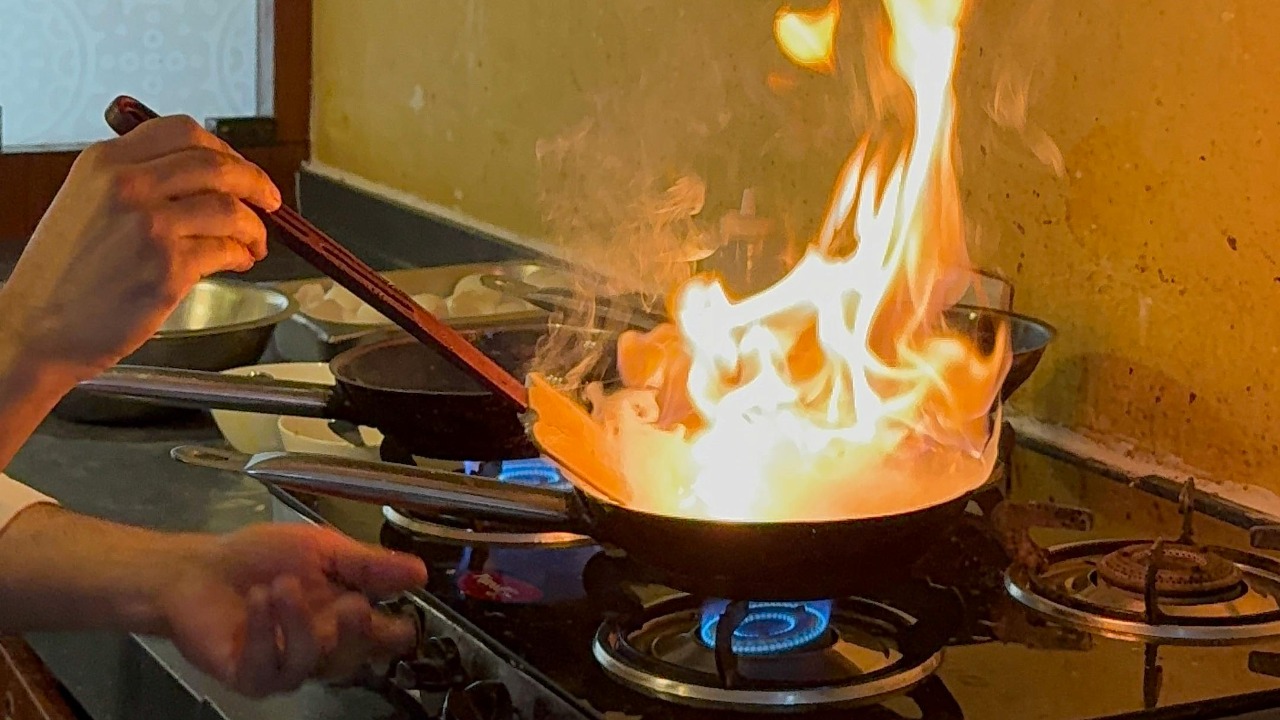
High heat can be a powerful tool in the kitchen, but it must be used judiciously. It’s essential for techniques like searing meat to lock in juices or achieving a crispy crust on vegetables. I often use high heat to quickly brown the surface of a dish before reducing the temperature to cook it through.
However, understanding when to back off is just as important. Overusing high heat can lead to burnt exteriors and undercooked interiors. Mastering the balance allows me to create dishes with perfect textures and flavors.
4) Embrace the Power of a Simmer
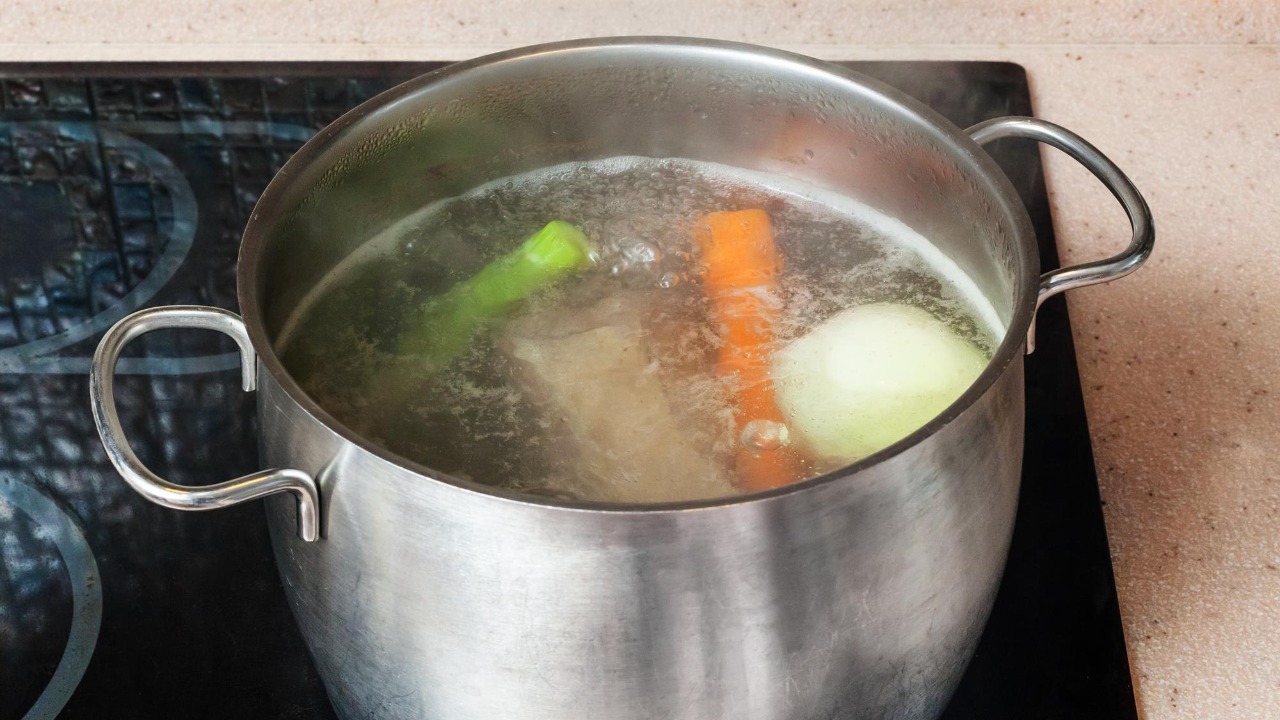
Simmering is a gentle cooking method that brings out the depth of flavors in dishes like soups, stews, and sauces. By keeping the heat low and steady, I allow ingredients to meld together beautifully without the risk of boiling over or burning.
I often rely on simmering to create rich, complex flavors in my homemade broths and stocks. A slow simmer extracts the best from bones and vegetables, resulting in a flavorful base that enhances any recipe. Embracing this technique can elevate your cooking to new heights.
5) Control Heat with a Lid
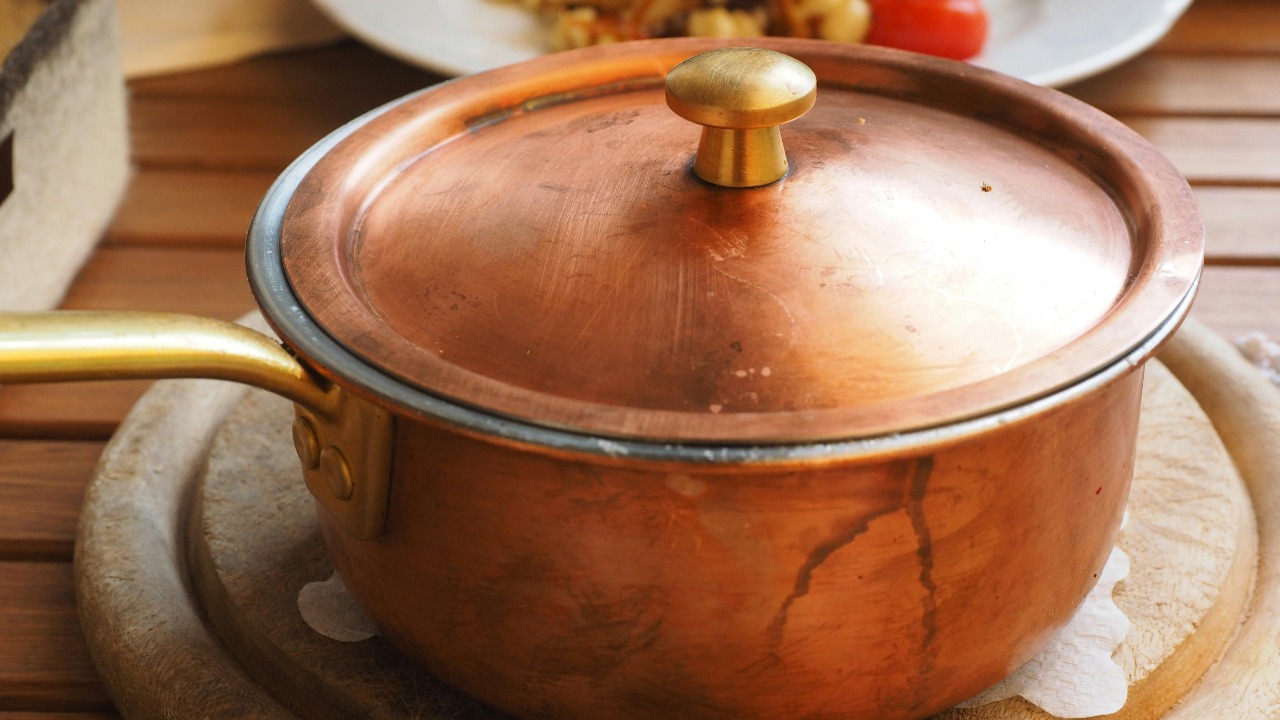
A simple lid can be a powerful tool for controlling heat in the kitchen. Covering a pot reduces evaporation, retains heat, and speeds up cooking time. I use lids to trap steam and ensure even cooking, particularly for rice, grains, and braised dishes.
For example, when cooking rice, I bring it to a boil, then reduce the heat and cover it with a lid. This method helps create fluffy, perfectly cooked grains. Understanding how and when to use a lid allows me to maintain control over my cooking environment.
6) Rest Meats to Retain Juices
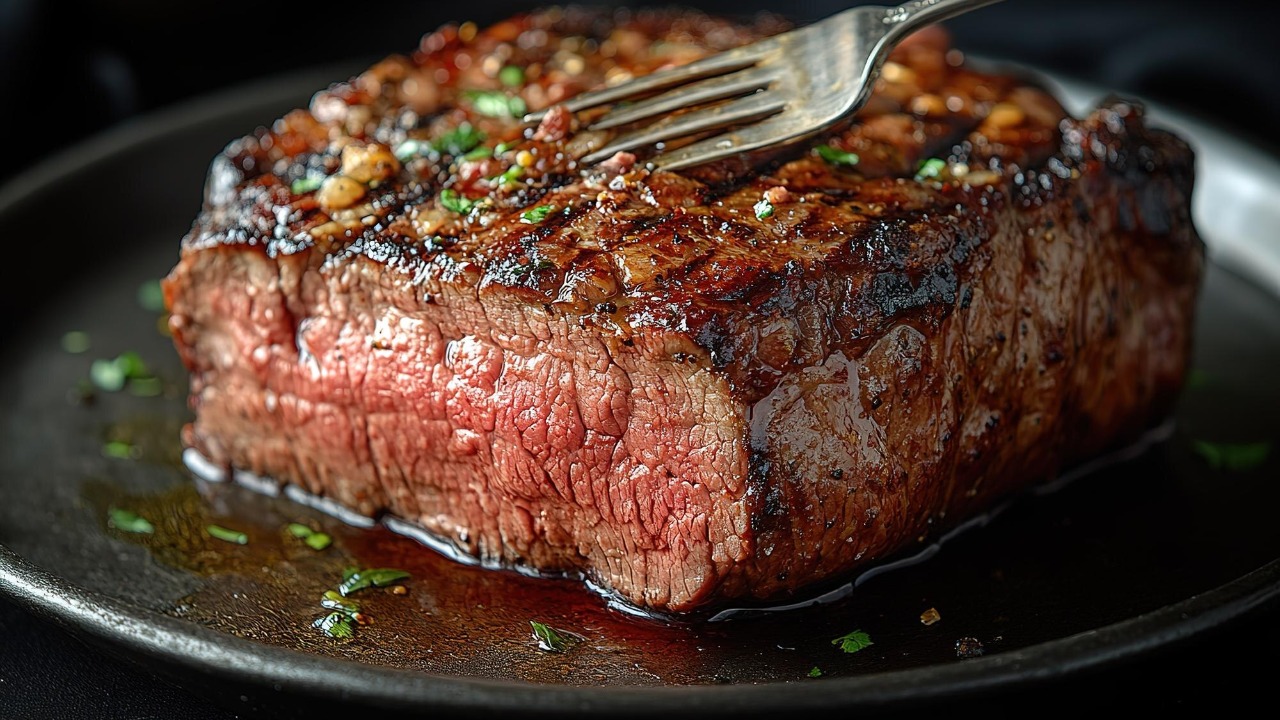
Resting meat after cooking is a crucial step that many home cooks overlook. Allowing meat to rest lets the juices redistribute, resulting in a more tender and flavorful final product. I find that resting steaks for about 5 to 10 minutes before slicing makes a noticeable difference.
Whether I’m preparing a roast chicken or a thick-cut pork chop, I always factor in resting time. This simple practice ensures that the juices remain in the meat, rather than spilling out onto the cutting board. Patience pays off with juicy, delicious results.

As a mom of three busy boys, I know how chaotic life can get — but I’ve learned that it’s possible to create a beautiful, cozy home even with kids running around. That’s why I started Cultivated Comfort — to share practical tips, simple systems, and a little encouragement for parents like me who want to make their home feel warm, inviting, and effortlessly stylish. Whether it’s managing toy chaos, streamlining everyday routines, or finding little moments of calm, I’m here to help you simplify your space and create a sense of comfort.
But home is just part of the story. I’m also passionate about seeing the world and creating beautiful meals to share with the people I love. Through Cultivated Comfort, I share my journey of balancing motherhood with building a home that feels rich and peaceful — and finding joy in exploring new places and flavors along the way.
