The storm had already knocked out power and coated the South in ice when a tree crashed through a college rental house, leaving three students trapped on the wrong side of a flooded, frozen road. With the roof caved in and temperatures dropping, a helicopter pilot stepped in to pull off the kind of rescue that usually lives in action movies, not quiet college towns. His airlift turned a terrifying night into a story about quick thinking, neighborly instinct, and the thin line between disaster and relief.
What unfolded around that shattered roof was not just a dramatic escape, but a snapshot of how ordinary people, from a Birmingham pilot to local first responders, improvise when infrastructure fails. It was also a reminder that for students living far from home, the safety net often comes from strangers willing to take a risk when the weather, and the odds, are stacked against them.
The storm that turned a college house into a hazard
The trouble started with an ice storm that swept across parts of the Deep South, glazing roads and snapping tree limbs until the landscape looked frozen in place. In and around Oxford, Mississippi, that pretty picture quickly turned dangerous as heavy branches gave way under the weight of ice. For three college students sharing a rental house, the storm stopped being background noise the moment a large tree toppled straight through their roof, tearing open the structure and exposing bedrooms and living space to the winter air.
Once the roof was breached, the house went from cozy to unlivable in a matter of minutes. The students were suddenly dealing with splintered wood, debris, and a gaping hole overhead while the power grid around them failed. With electricity out across the area and roads coated in ice, the usual escape routes were either blocked or too risky to attempt. The combination of a collapsed roof, plunging temperatures, and no reliable way out left the three stranded and increasingly anxious about how long they could safely stay put.
Three students, one wrecked roof, and no way out
Inside the damaged house, the three college students were juggling more than just shock. They had to figure out, in real time, whether the structure around them was stable enough to stay in and how to navigate a neighborhood that had effectively shut down. The tree that punched through the roof did not just leave a hole, it scattered insulation and broken beams, turning familiar rooms into an obstacle course. With the power knocked out and the storm still making travel treacherous, they were effectively marooned in their own rental.
According to detailed accounts of how the three college students ended up stranded, the storm had already toppled the tree through the roof before they could react, and the damage left them with limited options. Phone service and communication still worked, but calling for help did not magically clear the iced roads or fallen limbs. They were stuck in that frustrating middle ground where emergency crews knew about the danger, yet the usual tools, trucks and ground vehicles, could not easily reach them.
The Birmingham pilot who decided to lift off
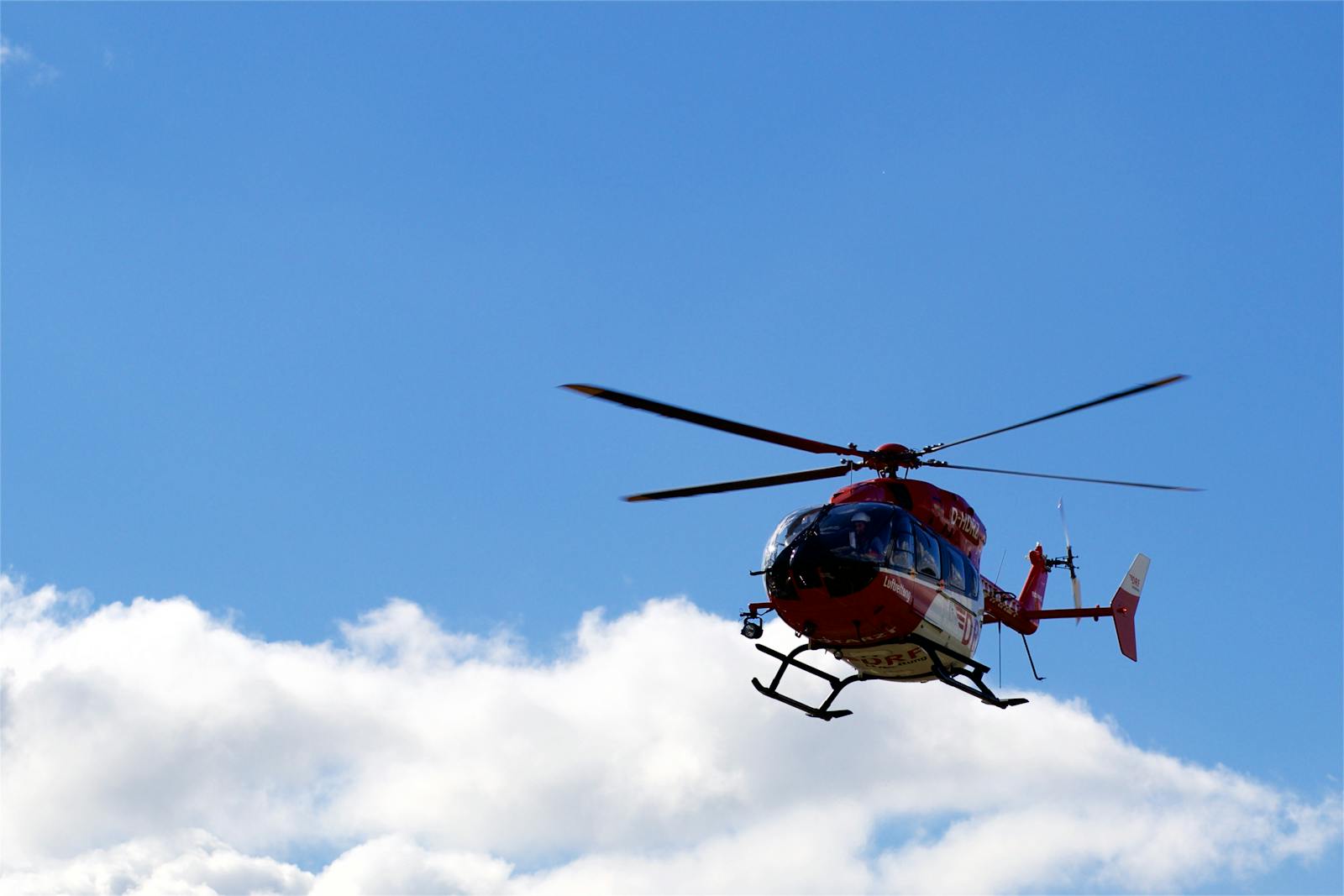
That is where a helicopter pilot from Birmingham entered the picture. While local responders were grappling with blocked roads and widespread outages, the pilot saw an opening that did not rely on passable streets at all. From his base in Birmingham, he understood that an aircraft could bypass the ice, the downed trees, and the darkened intersections in a single hop, and he was willing to take on the risk of flying into a storm-battered area to help.
Reporting on the helicopter pilot who came to the rescue describes a deliberate choice to launch into the icy conditions rather than wait for the weather to fully clear. He was not just sightseeing over storm damage, he was flying with a specific mission to reach the three students whose roof had been destroyed and who were now stuck in a house that no longer offered real shelter. That decision, made while much of the region was still hunkered down, turned an abstract sense of neighborly concern into a concrete plan to get them out.
A precision airlift in the middle of an ice storm
Once the helicopter reached the area, the rescue shifted from idea to execution, and the margin for error tightened. The pilot had to identify a safe landing or hover zone near the damaged house, close enough that the students could reach him without crossing dangerous debris or slick, downed power lines. In an ice storm, even a small misjudgment in wind or surface conditions can turn a landing into a slide, so every move had to be calculated with the kind of care that usually belongs in training manuals, not impromptu neighborhood flyovers.
Accounts of how the Mississippi ice storm rescue unfolded describe the students being airlifted out after the pilot maneuvered into position and coordinated with people on the ground. Instead of waiting for a convoy of trucks that might never make it through the ice, the three climbed aboard and were flown away from the wrecked house and the powerless neighborhood. In a matter of minutes, the helicopter turned an isolated, frightening situation into a controlled evacuation, trading the sound of cracking limbs and freezing rain for the thrum of rotors and the sight of safer ground ahead.
What this rescue says about storms, students, and community
Beyond the cinematic details, the airlift of the three college students is a snapshot of how vulnerable off-campus life can be when severe weather hits. Students renting older houses on tree-lined streets often do not have backup generators, reinforced roofs, or detailed emergency plans. When a storm is strong enough that a tree can slice through a roof and knock out power across a wide area, they are relying on a patchwork of local responders, neighbors, and, in this case, a pilot willing to fly in from another city to fill the gaps.
The fact that a helicopter rescue became the most practical option underscores how quickly infrastructure can be overwhelmed when ice, wind, and falling trees hit at once. It also highlights a quieter reality: college towns like Oxford depend not just on campus police and city crews, but on a wider web of people who are willing to improvise when the usual systems stall. In this case, that web stretched all the way to Birmingham, and it turned a collapsed roof into a story about how far some will go to make sure stranded students get home in one piece.
More from Cultivated Comfort:
- 7 Retro Home Features That Builders Should Bring Back
- 7 Antique Finds That Are Surprisingly Valuable Today
- 7 Forgotten Vacation Spots Your Parents Probably Loved
- 6 Boomer China Patterns That Are Selling Like Crazy Online

As a mom of three busy boys, I know how chaotic life can get — but I’ve learned that it’s possible to create a beautiful, cozy home even with kids running around. That’s why I started Cultivated Comfort — to share practical tips, simple systems, and a little encouragement for parents like me who want to make their home feel warm, inviting, and effortlessly stylish. Whether it’s managing toy chaos, streamlining everyday routines, or finding little moments of calm, I’m here to help you simplify your space and create a sense of comfort.
But home is just part of the story. I’m also passionate about seeing the world and creating beautiful meals to share with the people I love. Through Cultivated Comfort, I share my journey of balancing motherhood with building a home that feels rich and peaceful — and finding joy in exploring new places and flavors along the way.