Navigating family dynamics can be tricky, especially when it comes to personal spaces like your home. You’ve likely found yourself in a situation that can be both frustrating and bewildering: your mother-in-law has taken it upon herself to reorganize your kitchen and, in the process, has discarded items that hold value for you. Meanwhile, your husband seems to be siding with her, claiming that these changes are beneficial for everyone involved. It’s a complex emotional landscape, and it’s entirely valid for you to feel a mixture of anger, confusion, and frustration.
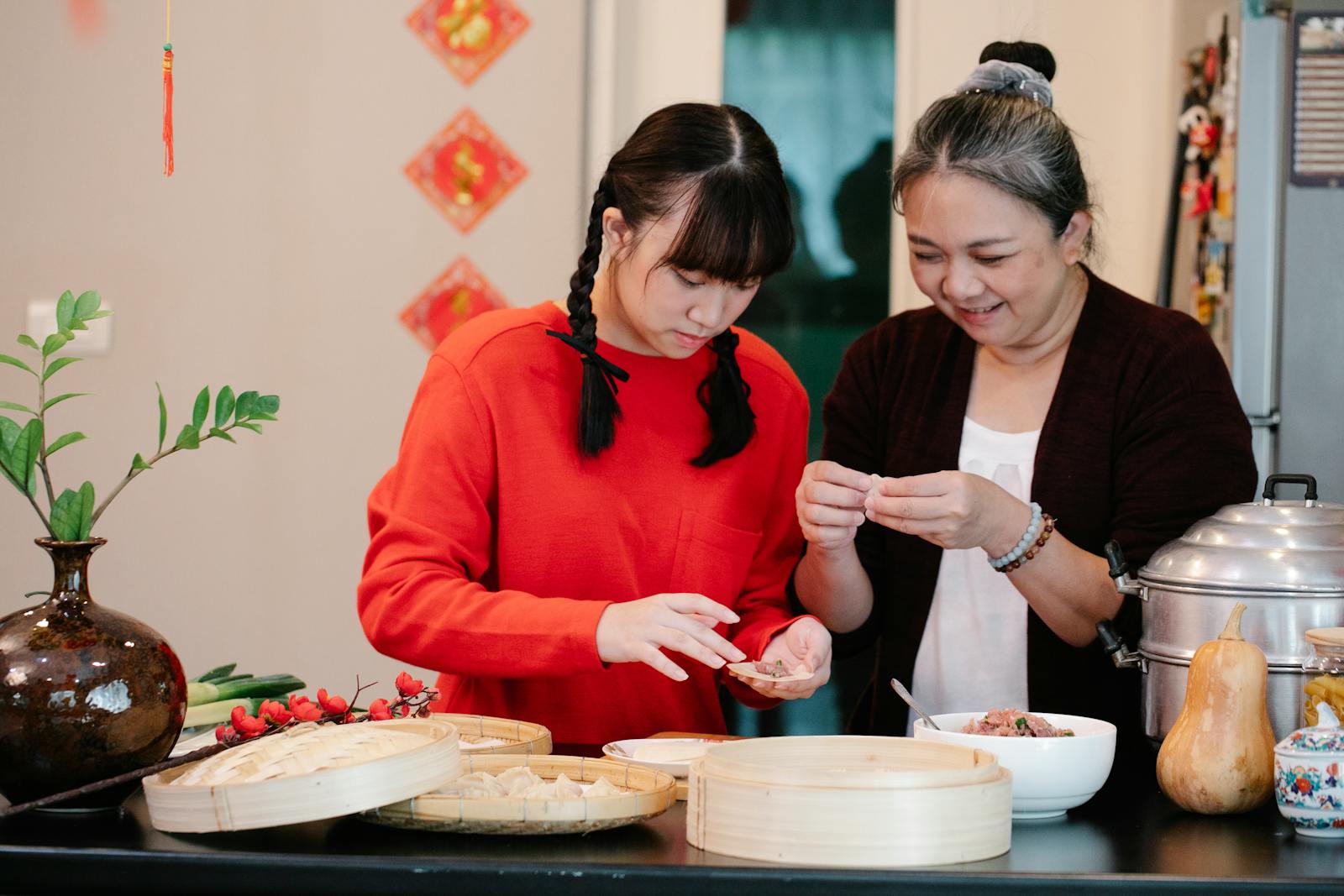
You’re not wrong to feel this way. Your home is a reflection of your identity, and when someone else takes liberties with it—especially a family member—it can feel invasive. This issue matters because it revolves around fundamental aspects of any healthy relationship: boundaries, respect, and communication. It’s essential to address this situation not only for your own peace of mind but also for the harmony of your household.
Start With a Calm, Direct Conversation
Initiate a conversation with your husband about how you feel regarding his mother’s actions. Choose a calm moment to express your thoughts without accusations or blame. For example, you might say, “I feel uncomfortable with how the kitchen has been reorganized, and I’d love to talk about it.”
This approach works because it opens the door for dialogue without putting your husband on the defensive. Remember, your feelings are valid, and sharing them can foster understanding and support.
Set Clear Boundaries and Expectations
Once you’ve communicated your feelings, it’s time to establish some boundaries. Discuss what is and isn’t acceptable in your shared space. You might agree that while your mother-in-law can help with cooking, she shouldn’t make permanent changes to your kitchen without consulting you first.
Setting boundaries is effective because it delineates personal space and ownership. It empowers you by taking control of your environment, ensuring that your home remains a sanctuary that reflects your tastes and preferences.
Involve Your Partner Without Blaming Them
Engage your husband in finding a solution, emphasizing that you don’t want to create conflict but rather seek a compromise. Ask how he feels about the situation and if he can help communicate your boundaries to his mother.
This technique fosters teamwork and shows that you value his input. By involving him in the discussion, you’re reinforcing your partnership and encouraging him to be your ally in maintaining a harmonious home.
Offer Reasonable Alternatives
When discussing the kitchen situation, suggest alternatives that can allow your mother-in-law to feel involved without overstepping. For instance, propose that she can help with meal prep or suggest organizing tips, but the final decisions should be left to you and your husband.
Offering alternatives works because it respects your mother-in-law’s desire to help while still prioritizing your comfort. It’s a way to engage her positively without compromising your values or preferences.
Protect Your Home and Privacy Without Escalating Conflict
If your mother-in-law continues to disregard your boundaries, it may be necessary to take a more assertive approach. Politely but firmly explain that you prefer to manage your kitchen independently. You might say, “I appreciate your help, but I feel more comfortable when I make the decisions about our home.”
This strategy is effective because it protects your space while also acknowledging her intentions. It’s crucial to stand firm in your needs without escalating tensions, ensuring that you maintain a respectful atmosphere.
Revisit the Conversation as Needed
Understand that this may not be a one-time conversation. As family dynamics evolve, it might be necessary to revisit this issue periodically. Be open to discussing any new concerns that arise while also reinforcing your boundaries.
This ongoing dialogue is important for both maintaining healthy relationships and ensuring that your home remains a comfortable space for you. Open communication reinforces the idea that your needs matter and that you’re committed to finding common ground.
Encourage Understanding and Empathy
Invite your husband and mother-in-law to share their perspectives as well. Encourage them to understand your viewpoint, which can help foster empathy and cooperation moving forward. Remind them that the goal is to create a welcoming home for everyone involved.
Encouraging understanding works because it humanizes the situation. By fostering empathy, you can build a foundation of mutual respect and cooperation, which is essential for a harmonious family life.
Closing
Remember, you have the right to feel at home in your own space, and it’s entirely possible for this situation to improve with open communication and mutual respect. By taking confident steps to express your feelings and set boundaries, you are advocating for yourself and your home.
As you navigate this challenge, hold onto the belief that healthy relationships are built on understanding and respect. With patience and clear communication, you can transform this dilemma into an opportunity for growth and connection within your family.
More from Cultivated Comfort:
- 7 Vintage Home Items From the ’60s That Are Collectors’ Dream Finds
- 7 Vintage Home Goods That Became Collectors’ Gold
- 7 Fast-Food Chains That Changed for the Worse
- 7 Frozen Dinners That Were Better Back in the Day

As a mom of three busy boys, I know how chaotic life can get — but I’ve learned that it’s possible to create a beautiful, cozy home even with kids running around. That’s why I started Cultivated Comfort — to share practical tips, simple systems, and a little encouragement for parents like me who want to make their home feel warm, inviting, and effortlessly stylish. Whether it’s managing toy chaos, streamlining everyday routines, or finding little moments of calm, I’m here to help you simplify your space and create a sense of comfort.
But home is just part of the story. I’m also passionate about seeing the world and creating beautiful meals to share with the people I love. Through Cultivated Comfort, I share my journey of balancing motherhood with building a home that feels rich and peaceful — and finding joy in exploring new places and flavors along the way.