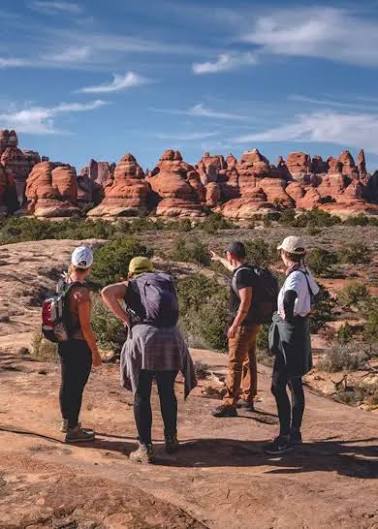
Free admission to a national park sounds simple enough, but the rules changed in a meaningful way this year, and not every visitor gets the same deal anymore. The National Park Service still waives entrance fees on a handful of dates scattered throughout 2026, and three of those days are still ahead of us this fall. Before you pencil in a trip to Yellowstone, the Smokies, or Acadia expecting a free pass at the gate, it’s worth knowing exactly which days count, who qualifies, and what “fee-free” no longer covers under the new 2026 policy.
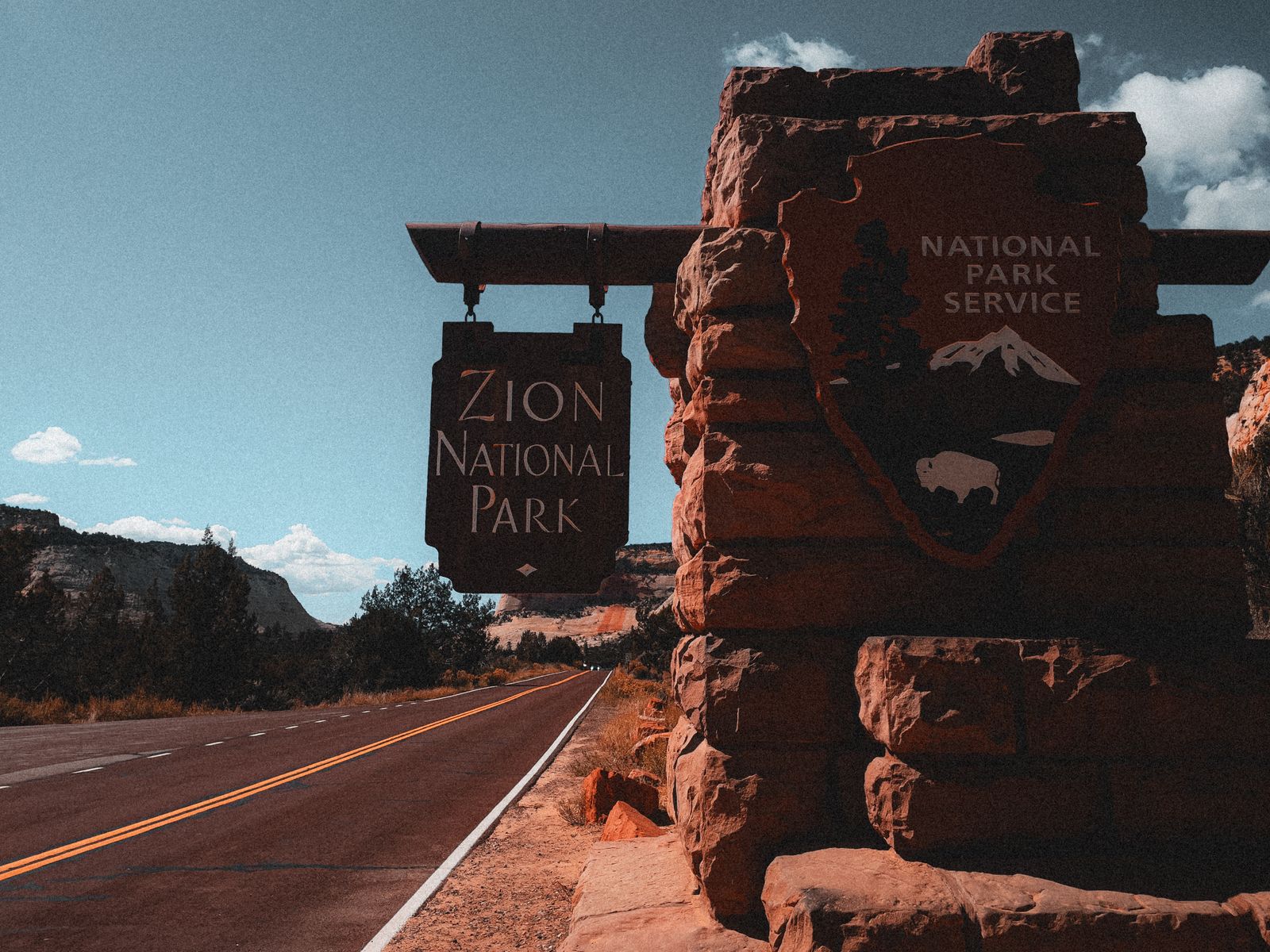
What “Fee-Free” Actually Means This Year
The National Park Service designated eight fee-free entrance days for 2026, part of what the agency calls its annual lineup of “patriotic fee-free days” tied to national holidays and milestones. On these dates, any National Park Service site that normally charges an entrance fee opens its gates for free. That covers the standard per-vehicle or per-person entrance charge you’d otherwise pay at places like Zion, Rocky Mountain, or the Grand Canyon. It does not cover everything else tied to a visit — camping fees, timed-entry reservation fees, backcountry permits, and other special-use charges still apply on fee-free days, according to the Park Service’s own guidance on entrance passes. So if you’re planning to camp overnight or need a timed-entry reservation for a popular park, budget for those costs even on a “free” day.
The Remaining Free Days for the Rest of 2026
Five of this year’s eight fee-free days have already come and gone — Presidents Day in February, Memorial Day in May, the Flag Day and Independence Day weekend stretch in June and July, and the Park Service’s own 110th-birthday celebration on August 25. That leaves three more chances to get in free before the year is out, per the National Park Service’s official 2026 calendar:
September 17 — Constitution Day. A great excuse for a fall foliage trip to a park within driving distance.
October 27 — Theodore Roosevelt’s Birthday. Named for the president most closely associated with the park system’s founding, this date typically falls during shoulder-season weather that’s ideal for hiking.
November 11 — Veterans Day. The last fee-free day of the year, and a popular one for visiting parks near military communities.
Mark your calendar accordingly, since the Park Service does not add extra fee-free dates once the year’s list is published.
The Big Change: Fee-Free Days No Longer Apply to Everyone
Here’s the part that’s genuinely new for 2026, and it’s easy to miss if you’re used to how fee-free days used to work. Starting this year, free entrance on these dates applies only to U.S. citizens and residents. The Interior Department confirmed the shift in a press release announcing “modernized, more affordable national park access,” which restructured pricing to favor domestic visitors. International travelers without an annual pass now pay standard entrance fees on fee-free days rather than getting in free. The changes go further than just the free days, too: nonresident annual passes now cost $250 compared to $80 for U.S. residents, and visitors from outside the country face an additional $100 per-person surcharge at 11 of the most-visited parks, including Yellowstone, Yosemite, and the Grand Canyon, according to the Interior Department’s announcement. “These policies ensure that U.S. taxpayers, who already support the National Park System, continue to enjoy affordable access, while international visitors contribute their fair share to maintaining and improving our parks for future generations,” Interior Secretary Doug Burgum said in the department’s official statement.
How to Make the Most of the Days That Are Left
If you’re a U.S. resident hoping to use one of the three remaining fee-free days, treat it like you would any other holiday weekend at a busy park: arrive early, because free admission tends to draw bigger crowds than a typical weekday, and check ahead for any timed-entry system your destination park uses, since those reservations aren’t waived even when the gate fee is. Many popular parks, including several in the timed-entry pilot programs, fill their reservation slots well before the actual date arrives. It’s also worth checking individual park pages directly before you go, since some sites layer additional fees — parking, shuttle service, or special exhibits — on top of the standard entrance charge regardless of the date. For frequent park visitors, the $80 America the Beautiful annual pass may still be the better value than waiting around for free days, especially with the new nonresident pricing structure reshaping who benefits most from October and November’s remaining free admission.