
A woman who took an at-home 23andMe DNA test says the results revealed she is biologically related to two sisters who inherited roughly $28 million, and she is now suing to claim a share of that inheritance, according to a report from AOL.
Key Points
- A consumer DNA test connected the woman to two sisters she had not previously known were biological relatives, per AOL.
- The two sisters inherited an estimated $28 million, according to the report.
- The woman has filed a lawsuit seeking a portion of that inheritance based on the newly discovered biological relationship.
- The case highlights how increasingly common at-home genetic testing has become a trigger for inheritance disputes.
- Specific court details and the parties’ full identities were not disclosed in the available reporting.
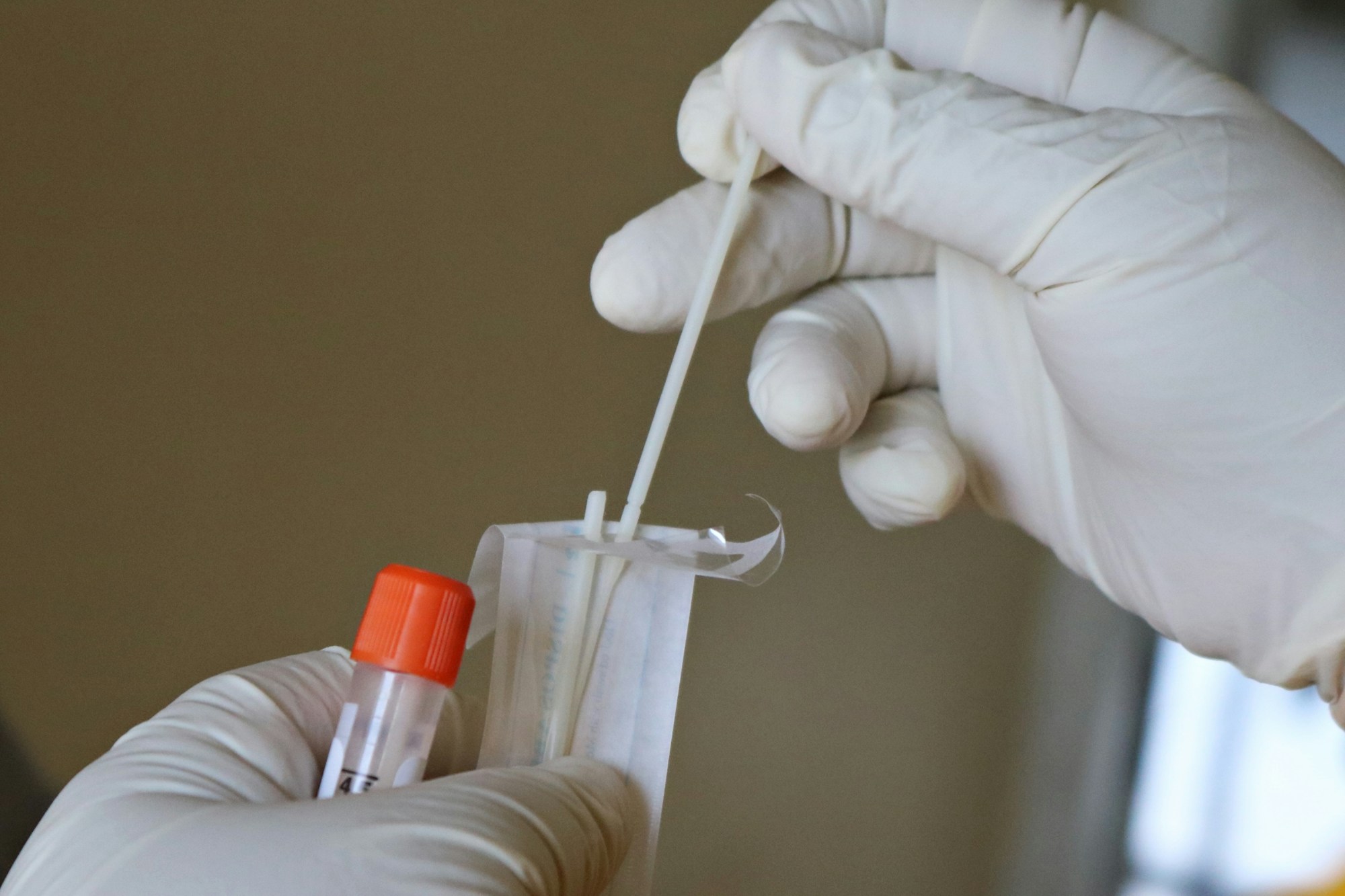
At-home genetic testing kits are typically marketed as a way to trace ancestry percentages or connect with distant cousins, results many people glance at once and rarely revisit. This case turned that novelty into a high-stakes legal claim, after the woman’s results reportedly pointed to a much closer, and far more consequential, biological connection.
According to the AOL report, the two sisters named in the case inherited approximately $28 million, and the woman’s suit argues that her newly established biological relationship entitles her to a share of that estate. The report did not detail the specific court, filing date, or full legal basis for the claim.
Inheritance disputes tied to DNA test results have grown more common as consumer genetic-testing services have expanded their user bases over the past decade. A genetic match that reveals a previously unknown parent, sibling, or half-sibling relationship can carry direct legal weight in an estate case, particularly when a will or trust does not explicitly address biological relatives discovered later.
Such disputes often hinge on the exact language of the will or estate plan in question, along with state rules governing biological versus legally recognized heirs. Whether a DNA match alone is enough to establish inheritance rights, or whether additional legal steps are required, generally depends on the jurisdiction handling the estate.
The case adds to a growing pattern of consumer genetic testing surfacing family ties with real financial consequences, turning what many people treat as a casual purchase into evidence in court. As DNA databases keep expanding, unexpected matches tied to estates, adoptions, and paternity are increasingly likely to end up before a judge rather than staying a private discovery.
For the woman at the center of this case, a mail-in cheek swab reportedly meant to satisfy curiosity about her ancestry instead opened a legal fight over a multimillion-dollar estate. The report from AOL does not indicate how the two sisters have responded to the claim or whether the case has been resolved, leaving the outcome of the lawsuit an open question for now.