

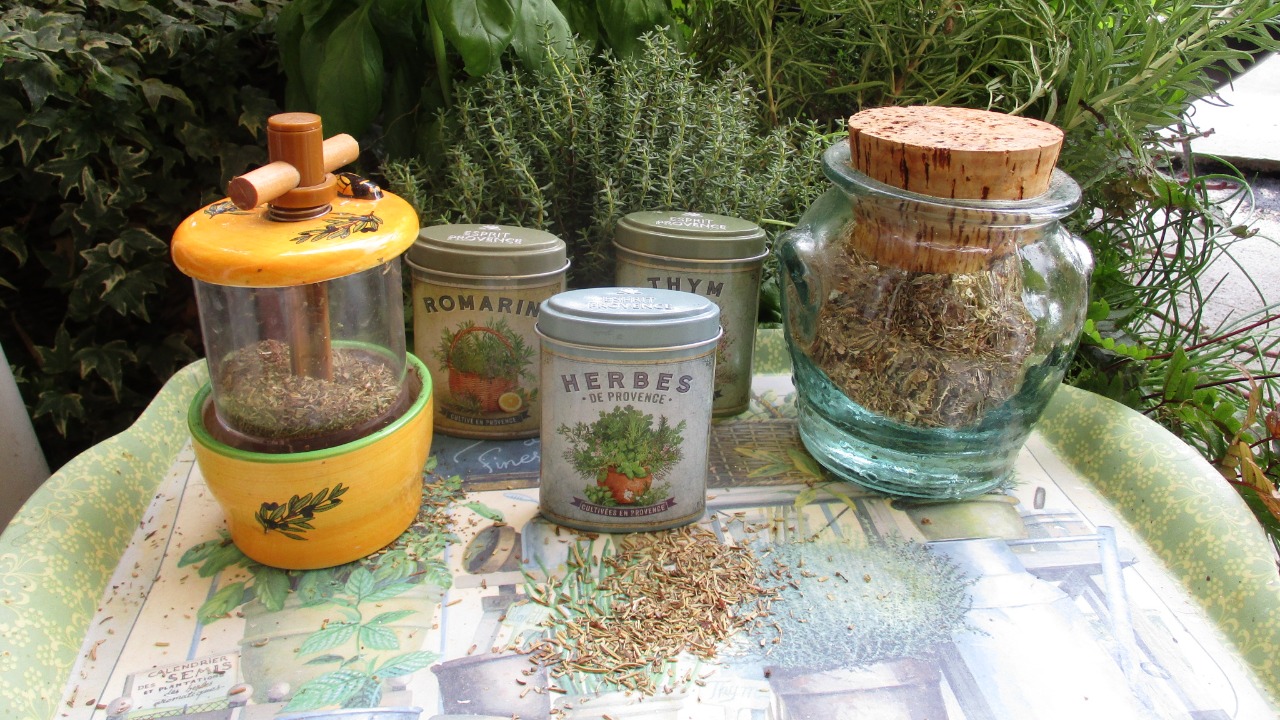
Herbes de Provence is a fragrant blend of dried herbs that originates from the Provence region in southeastern France. Known for its aromatic qualities, this versatile mix can elevate a variety of dishes. Making your own herbes de Provence allows you to customize the blend to suit your taste preferences and culinary needs.
Understanding Herbes de Provence
Historical Background
The origins of herbes de Provence can be traced back to the sun-drenched fields of southeastern France, where local cooks would gather a mix of herbs to season their dishes. Initially, this blend was not standardized, with each family or cook having their own unique mixture based on what herbs were available. Over time, as French cuisine gained international acclaim, herbes de Provence found its way into kitchens around the world, becoming synonymous with the rustic, aromatic flavors of the region. Its popularity in modern cooking can be attributed to its versatility and the global fascination with French culinary traditions.
Typical Ingredients
Traditional herbes de Provence includes a variety of herbs that are native to the region. The most common ingredients are thyme, rosemary, marjoram, and savory. These herbs are known for their robust flavor profiles, which are perfect for enhancing the taste of meats, vegetables, and stews. Some blends also include lavender, which adds a floral note, and fennel seeds for a hint of anise-like sweetness. The inclusion of these additional herbs can provide a unique twist to the traditional blend, offering cooks the opportunity to tailor the mix to specific dishes or personal palate preferences.
Selecting the Right Ingredients
Fresh vs. Dried Herbs
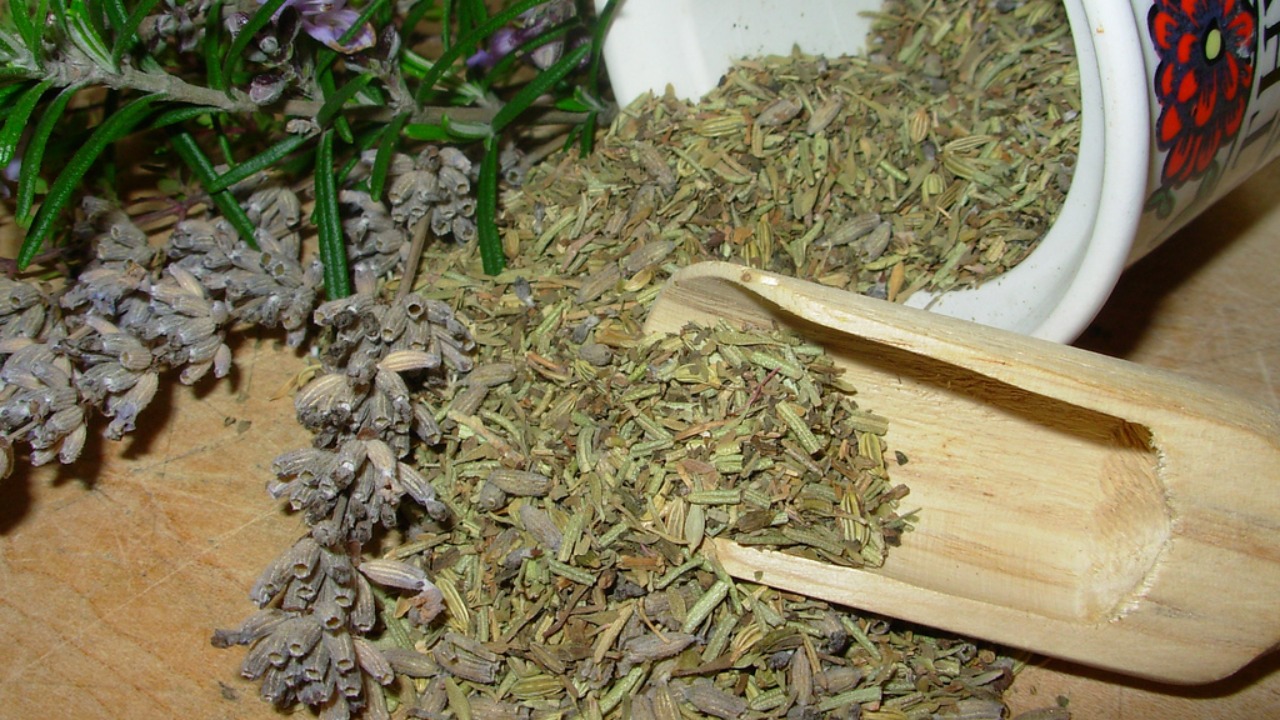
When crafting your own herbes de Provence, the choice between fresh and dried herbs is an important consideration. Dried herbs are typically preferred for this blend due to their extended shelf life and concentrated flavors. Drying herbs allows their essential oils to intensify, providing a more potent taste when used in cooking. If you prefer to use fresh herbs, you can easily dry them at home by hanging them in a warm, well-ventilated area until they are completely dehydrated. This method not only preserves the herbs but also enhances their flavors, making them ideal for a homemade blend.
Quality Matters
The quality of the herbs you select can significantly impact the final aroma and flavor of your herbes de Provence. Sourcing high-quality ingredients is crucial for achieving the best results. Whether you purchase your herbs from a specialty store or grow them in your own garden, ensuring they are fresh and free from pesticides will enhance the overall quality of your blend. If you decide to grow your own, herbs like thyme and rosemary are relatively easy to cultivate and can thrive in a variety of climates, providing a fresh supply for your culinary creations.
Crafting Your Custom Blend
Balancing Flavors
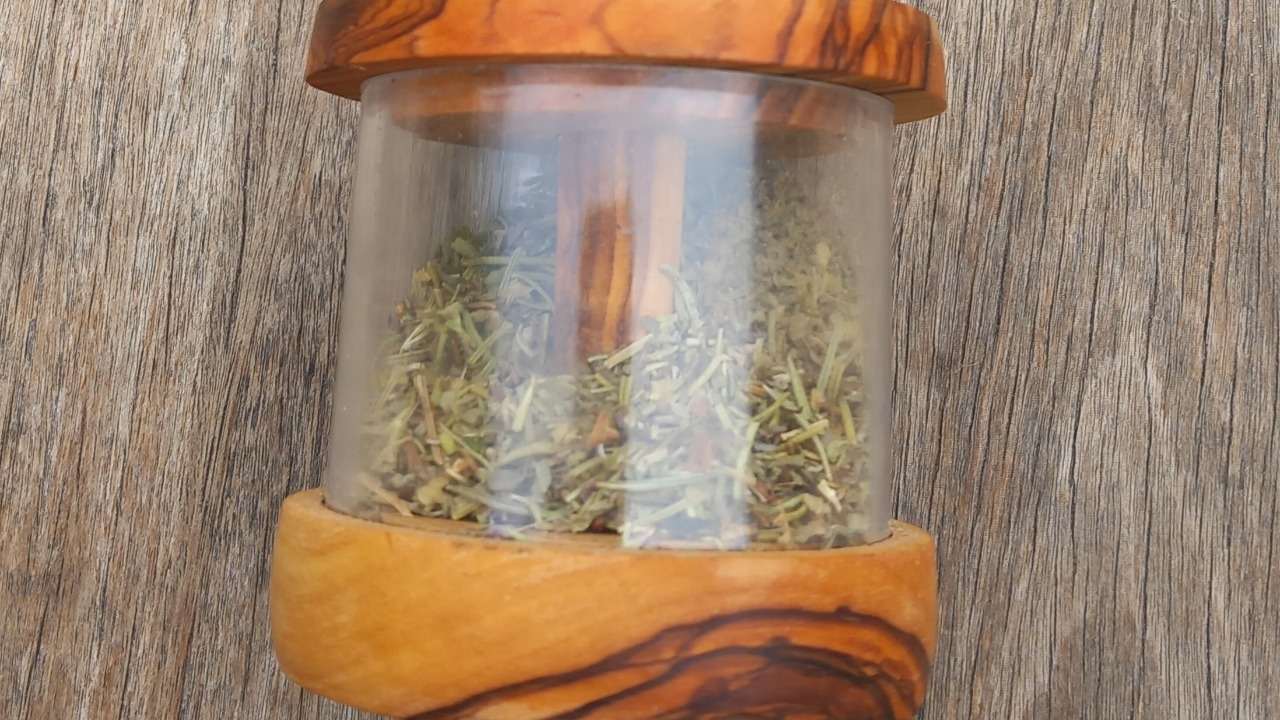
The key to creating a successful herbes de Provence blend lies in balancing the flavors of the individual herbs. Each herb brings its own unique profile, and finding the right ratio is essential to ensure that no single ingredient overpowers the others. A common starting point for a balanced blend might include equal parts of thyme, rosemary, and savory, with smaller amounts of marjoram and optional additions like lavender or fennel seeds. Adjusting these ratios based on personal taste and the dishes you plan to prepare allows for a tailored seasoning that complements rather than competes with the main ingredients.
Experimentation and Personalization
One of the joys of making your own herbes de Provence is the ability to experiment with different herbs and spices to create a signature blend. Adding unconventional ingredients such as basil, oregano, or even a pinch of dried mint can alter the flavor profile, making it suitable for a range of culinary applications. For example, a blend heavier on savory and rosemary might be perfect for a hearty beef stew, while adding more lavender could enhance the flavors of a delicate fish dish. This flexibility encourages creativity in the kitchen, allowing you to craft a blend that is uniquely yours.
Storing and Using Your Herbes de Provence
Proper Storage Techniques
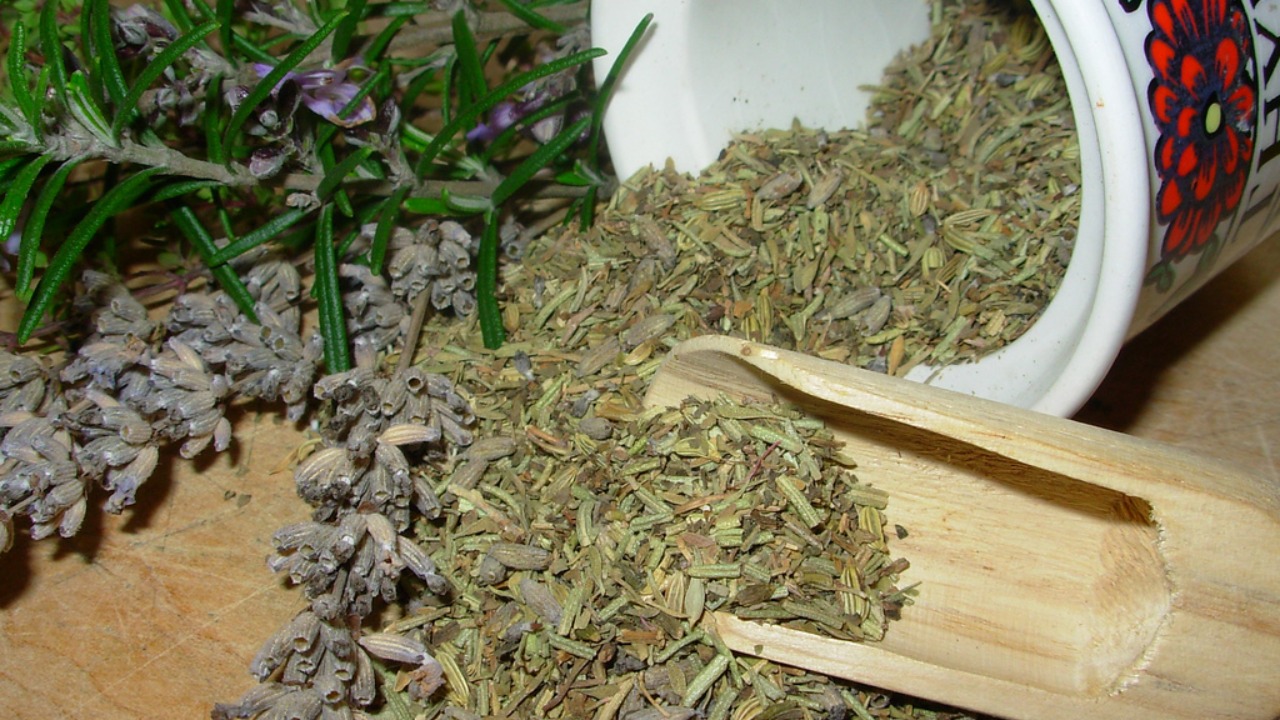
To maintain the freshness and potency of your herbes de Provence blend, proper storage is essential. Keep the mixture in an airtight container, away from heat and direct sunlight, to preserve its aromatic qualities. Glass jars with tight-fitting lids are ideal, as they prevent moisture from seeping in and degrading the herbs. Stored correctly, your blend can retain its flavor for up to a year, ensuring you have a ready supply of this versatile seasoning at your fingertips.
Culinary Applications
Herbes de Provence is incredibly versatile and can be used in a variety of dishes to enhance their flavors. It is perfect for seasoning roasted meats, adding depth to vegetable dishes, or even sprinkled over pizza before baking. For a creative twist, consider infusing olive oil with the blend to use as a base for salad dressings or drizzling over grilled vegetables. Another delightful use is incorporating the herbs into softened butter to create a flavorful spread for bread or a finishing touch for cooked meats.
Benefits of Making Your Own Blend
Cost-Effectiveness
Creating your own herbes de Provence blend is a cost-effective alternative to purchasing pre-made mixes. By using herbs already available in your pantry or garden, you can significantly reduce waste and expense. Store-bought blends often come at a premium, especially those marketed as gourmet or organic. Making your own allows you to enjoy the same quality at a fraction of the cost, with the added benefit of customizing the blend to suit your preferences.
Enhanced Culinary Experience
Crafting your own herbes de Provence not only provides a cost-effective solution but also enhances the overall culinary experience. The process of selecting, drying, and blending the herbs can be both satisfying and meditative, offering a deeper connection to the food you prepare. A custom blend can elevate your cooking, bringing enhanced flavors and aromas that are tailored to your taste. Whether you are a seasoned chef or a home cook, the ability to personalize your herb mix opens up endless possibilities for creativity and innovation in the kitchen.

As a mom of three busy boys, I know how chaotic life can get — but I’ve learned that it’s possible to create a beautiful, cozy home even with kids running around. That’s why I started Cultivated Comfort — to share practical tips, simple systems, and a little encouragement for parents like me who want to make their home feel warm, inviting, and effortlessly stylish. Whether it’s managing toy chaos, streamlining everyday routines, or finding little moments of calm, I’m here to help you simplify your space and create a sense of comfort.
But home is just part of the story. I’m also passionate about seeing the world and creating beautiful meals to share with the people I love. Through Cultivated Comfort, I share my journey of balancing motherhood with building a home that feels rich and peaceful — and finding joy in exploring new places and flavors along the way.
