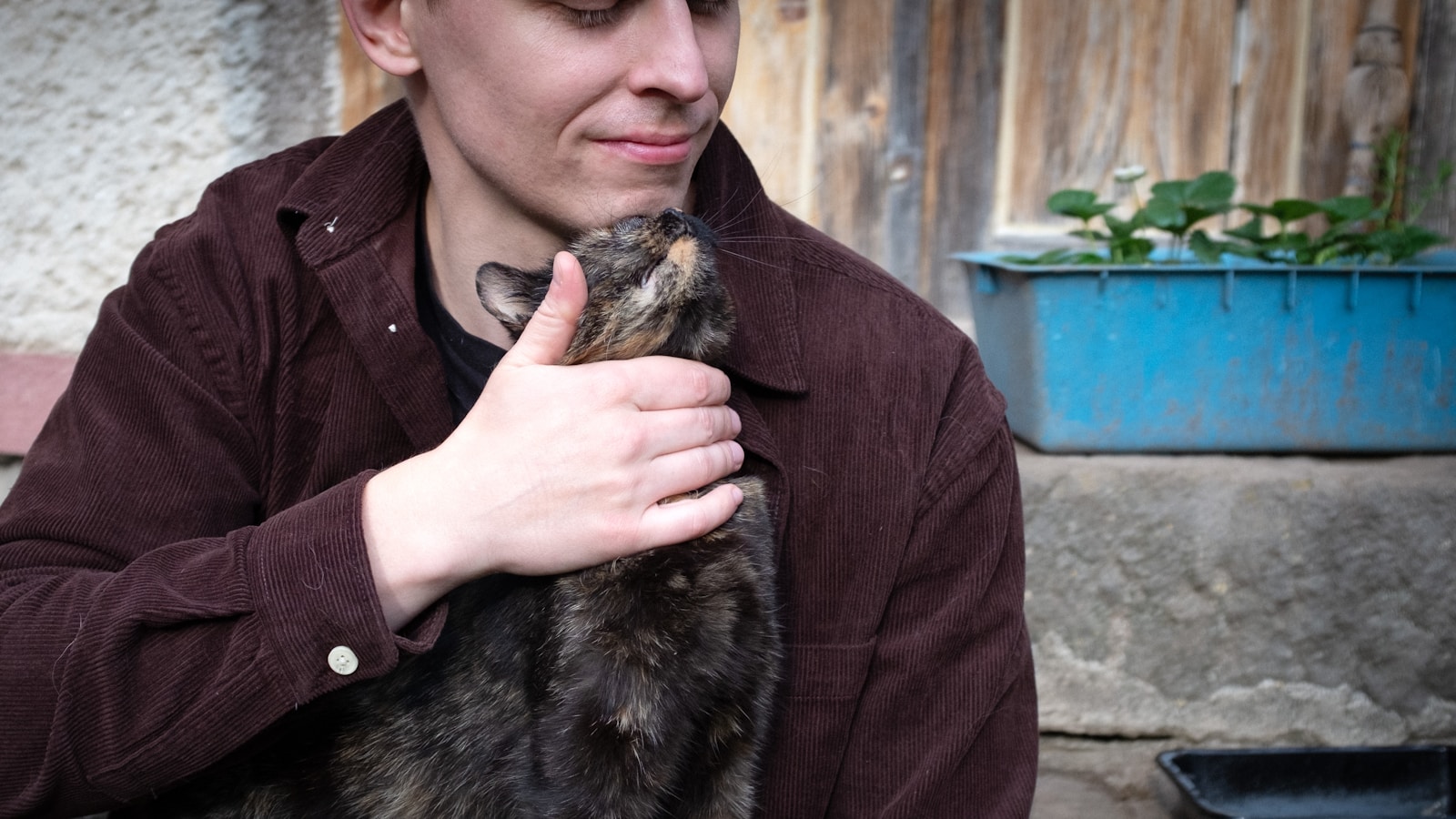
The poster cut the friendship off. Commenters overwhelmingly sided with them. And the thread became one of those small internet moments that resonates because it names something people recognize but rarely say out loud: some friendships survive not on mutual care, but on one person’s willingness to keep giving.
The Pattern Nobody Talks About Until It Breaks
Long friendships accumulate a quiet history of favors. Airport rides, covered bar tabs, late-night calls after bad dates, shifts swapped to help someone make a deadline. Often, the person doing most of the heavy lifting does not keep a running tally. They help because it feels natural, because they value the friendship, because saying yes is easier than examining whether the effort ever flows back.
But the imbalance registers somewhere. Dr. Harriet Lerner, a clinical psychologist and author of The Dance of Connection, has written extensively about how one-sided relationship patterns calcify over time. The over-functioner (the person who organizes, anticipates, and rescues) and the under-functioner (the person who benefits from that labor) settle into roles that feel fixed. Neither person consciously chose the arrangement, but both maintain it through habit. The over-functioner keeps stepping up. The under-functioner keeps letting them.
What makes this dynamic so durable is that it rarely produces a single dramatic betrayal. Instead, it accumulates in dozens of small, forgettable moments: who always drives, who always pays, who always adjusts their schedule. The resentment builds so gradually that the over-functioner may not even recognize it until something small and specific forces the question.
Why a Weekend With a Shy Cat Became the Test
Cat-sitting for a weekend is, by most measures, a low-stakes favor. Show up, fill the food bowl, keep things calm. For a shy cat, it helps to move slowly and keep the environment quiet, but it is not a months-long commitment or a financial burden. That is precisely why it worked as a breaking point.
The Reddit poster was not asking for something extraordinary. They were asking for the smallest possible proof that the friendship ran in both directions. After years of significant, sometimes costly support, they needed to see their friend tolerate a minor inconvenience on their behalf. The friend’s refusal answered a question the poster had probably been carrying for a long time: If not this, then what would you ever do for me?
Research on social exchange in close relationships supports why this moment hits so hard. A 2018 study published in the Journal of Social and Personal Relationships found that perceived inequity in friendships is one of the strongest predictors of relationship dissatisfaction and eventual dissolution. The key word is “perceived.” It is not about a perfect 50/50 split. It is about whether both people believe the other would show up if asked. A single refusal can collapse that belief, especially when it follows a long history of one-directional generosity.
The “It’s Just a Cat” Problem
Part of what made the Reddit thread so heated was a secondary debate: whether asking someone to care for a pet is even a real favor. Some commenters dismissed it. Others pushed back hard.
For many pet owners, asking someone to watch an animal is an act of significant trust. A shy cat cannot advocate for itself. It cannot tell you if the sitter forgot to come by, left the door open, or created a stressful environment. Handing that responsibility to someone means believing they will take it seriously, not as a chore, but as a form of care for something you love.
When a friend frames the request as trivial (“it’s just a cat”), they are also, whether they intend to or not, ranking the pet owner’s attachment as unimportant. That dismissal often stings more than the refusal itself. It tells the owner that their friend has not been paying attention to what matters to them, or worse, has noticed and does not care.
Emotional Labor and the Mental Load of Being the “Reliable One”
The concept of emotional labor, first described by sociologist Arlie Russell Hochschild in 1983, originally referred to the work of managing emotions in professional settings. In the decades since, the term has expanded in popular usage to describe the invisible planning, coordinating, and emotional maintenance that keeps relationships running. In friendships, this labor often falls disproportionately on one person.
The friend who remembers birthdays, checks in after hard weeks, coordinates group plans, and offers their home during emergencies is performing a kind of relational project management. It is real work, even though it is rarely acknowledged as such. When that person finally asks for something in return, they are not just requesting a practical favor. They are testing whether anyone has noticed the work they have been doing all along.
A refusal that comes without empathy, without an alternative offer (“I can’t do the whole weekend, but I could stop by Saturday morning”), without even an acknowledgment of the imbalance, confirms what the over-functioner feared: the labor was invisible, and it will stay invisible.
When Walking Away Is Not Dramatic. It Is Overdue.
From the outside, ending a friendship over a cat-sitting request looks disproportionate. But the people who have lived inside a one-sided friendship know that the final straw is never really about the final straw. It is about everything that came before it.
Dr. Andrea Bonior, a licensed clinical psychologist and author of The Friendship Fix, has noted that people often stay in unbalanced friendships far longer than they would stay in unbalanced romantic relationships, partly because there is no cultural script for “breaking up” with a friend. There is no clear moment to have the conversation, no shared vocabulary for saying, “I need more from you.” So the realization tends to arrive all at once, triggered by something that finally makes the pattern undeniable.
The Reddit poster’s decision to walk away was not spite. It was the end of a long, quiet cost-benefit analysis that had been running in the background for years. The cat-sitting refusal did not create the imbalance. It just made it impossible to keep ignoring.
Healthy friendships are not transactional, and they do not require a perfect ledger. But they do require a baseline of mutual willingness: the sense that if you needed something reasonable, your friend would try. When that willingness is absent, staying is not loyalty. It is habit. And choosing to leave is not cruelty. It is clarity.
More from Cultivated Comfort:
- 7 Retro Home Features That Builders Should Bring Back
- 7 Antique Finds That Are Surprisingly Valuable Today
- 7 Forgotten Vacation Spots Your Parents Probably Loved
- 6 Boomer China Patterns That Are Selling Like Crazy Online

As a mom of three busy boys, I know how chaotic life can get — but I’ve learned that it’s possible to create a beautiful, cozy home even with kids running around. That’s why I started Cultivated Comfort — to share practical tips, simple systems, and a little encouragement for parents like me who want to make their home feel warm, inviting, and effortlessly stylish. Whether it’s managing toy chaos, streamlining everyday routines, or finding little moments of calm, I’m here to help you simplify your space and create a sense of comfort.
But home is just part of the story. I’m also passionate about seeing the world and creating beautiful meals to share with the people I love. Through Cultivated Comfort, I share my journey of balancing motherhood with building a home that feels rich and peaceful — and finding joy in exploring new places and flavors along the way.