

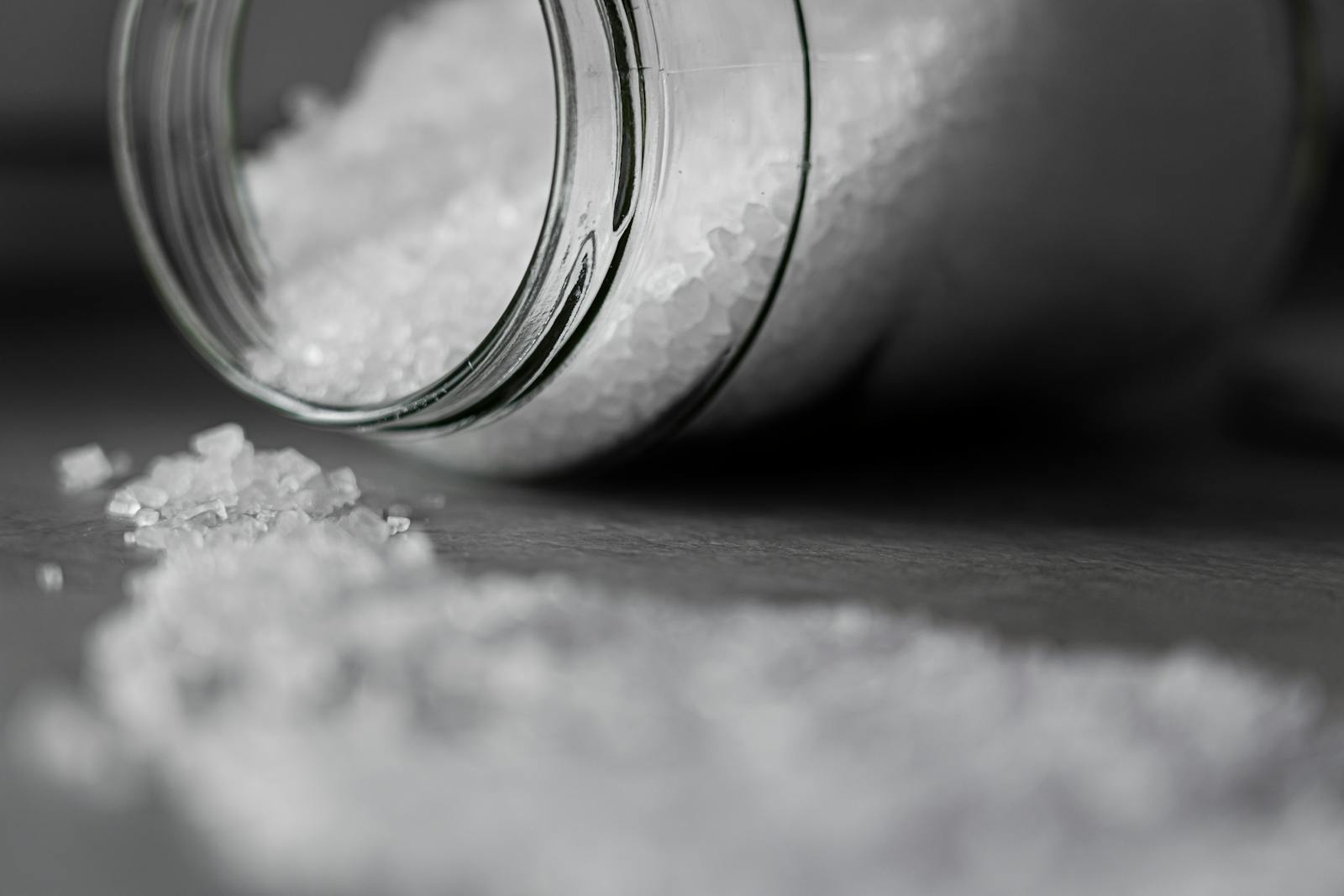
Consistently reaching for the salt shaker at meal times can be more than just a flavor preference; it may indicate underlying health conditions, lifestyle choices, or even psychological factors. Understanding these possible implications can help individuals make informed decisions about their dietary habits and overall wellness.
1. Taste Preferences and Habits
For many, adding extra salt is simply a matter of personal taste. Some individuals have a natural inclination toward salty flavors, often developed through lifelong eating habits. If you find yourself consistently shaking salt onto your food, it may just be that your palate has been conditioned to enjoy the stronger flavors that salt provides.
2. Nutritional Deficiencies
Excessive salt consumption can sometimes be linked to deficiencies in certain nutrients, particularly minerals like potassium and magnesium, which help balance sodium levels in the body. When the body lacks these essential nutrients, it may crave salt as a way to compensate for the imbalance. In such cases, addressing the underlying deficiencies may help reduce the desire for added salt.
3. Dehydration
Another reason people may reach for extra salt is dehydration. Sodium helps retain water in the body, and if you are not drinking enough fluids, your body may signal a need for more salt to balance hydration levels. This behavior is often observed in individuals who exercise heavily or do not consume enough water throughout the day.
4. Stress and Emotional Eating
Emotional factors can also play a significant role in salt consumption. Stress and anxiety may lead some individuals to seek comfort in food, often resulting in the addition of salt for flavor. This type of emotional eating can create a cycle where the brain associates salty foods with comfort, further increasing the desire for salt in stressful situations.
5. Habitual Behavior
For many people, adding salt to food becomes an ingrained habit. Over time, the brain develops a routine, leading to automatic behaviors that may not be consciously thought through. This habitual addition of salt may occur even if the food is already seasoned, highlighting the importance of mindfulness in eating practices.
6. Cultural Influences
Cultural background and culinary traditions can significantly influence salt consumption. In some cultures, salty foods are a staple, and the addition of salt is considered a normal part of meal preparation. If you come from a culture where salt is heavily used, it may be more likely that you add extra salt to your meals as a reflection of those traditions.
7. Health Conditions
Certain health conditions can also lead to an increased preference for salt. For instance, individuals with low blood pressure may crave salt as a way to help raise their blood pressure levels. Additionally, those with a history of certain cardiovascular issues may feel the need to include more salt in their diets for perceived health benefits, although this should be approached cautiously and under medical guidance.
8. Taste Alterations due to Aging
As people age, their taste buds can change, often leading to a diminished sensitivity to flavors, including sweetness and saltiness. As a result, older adults may find themselves adding more salt to enhance the taste of their meals. This change is a natural part of the aging process, but it is essential for older individuals to be aware of their salt intake to avoid health risks associated with high sodium consumption.
The Importance of Moderation
While salt is an essential nutrient that plays a crucial role in various bodily functions, moderation is key. High sodium intake is linked to numerous health issues, including hypertension, heart disease, and stroke. Understanding the reasons behind your salt consumption can empower you to make healthier choices and reduce the risks associated with excessive salt intake.
How to Manage Salt Intake
If you find yourself consistently reaching for the salt shaker, consider a few strategies to help manage your intake. Start by experimenting with herbs and spices to enhance flavors without relying on salt. Additionally, reading food labels can help identify high-sodium products, allowing for more informed choices at the grocery store.
Consulting with a healthcare professional or a registered dietitian can also provide personalized guidance tailored to your dietary needs and preferences. They can help identify any underlying issues that may be contributing to your salt cravings and suggest practical changes to your diet.

As a mom of three busy boys, I know how chaotic life can get — but I’ve learned that it’s possible to create a beautiful, cozy home even with kids running around. That’s why I started Cultivated Comfort — to share practical tips, simple systems, and a little encouragement for parents like me who want to make their home feel warm, inviting, and effortlessly stylish. Whether it’s managing toy chaos, streamlining everyday routines, or finding little moments of calm, I’m here to help you simplify your space and create a sense of comfort.
But home is just part of the story. I’m also passionate about seeing the world and creating beautiful meals to share with the people I love. Through Cultivated Comfort, I share my journey of balancing motherhood with building a home that feels rich and peaceful — and finding joy in exploring new places and flavors along the way.