

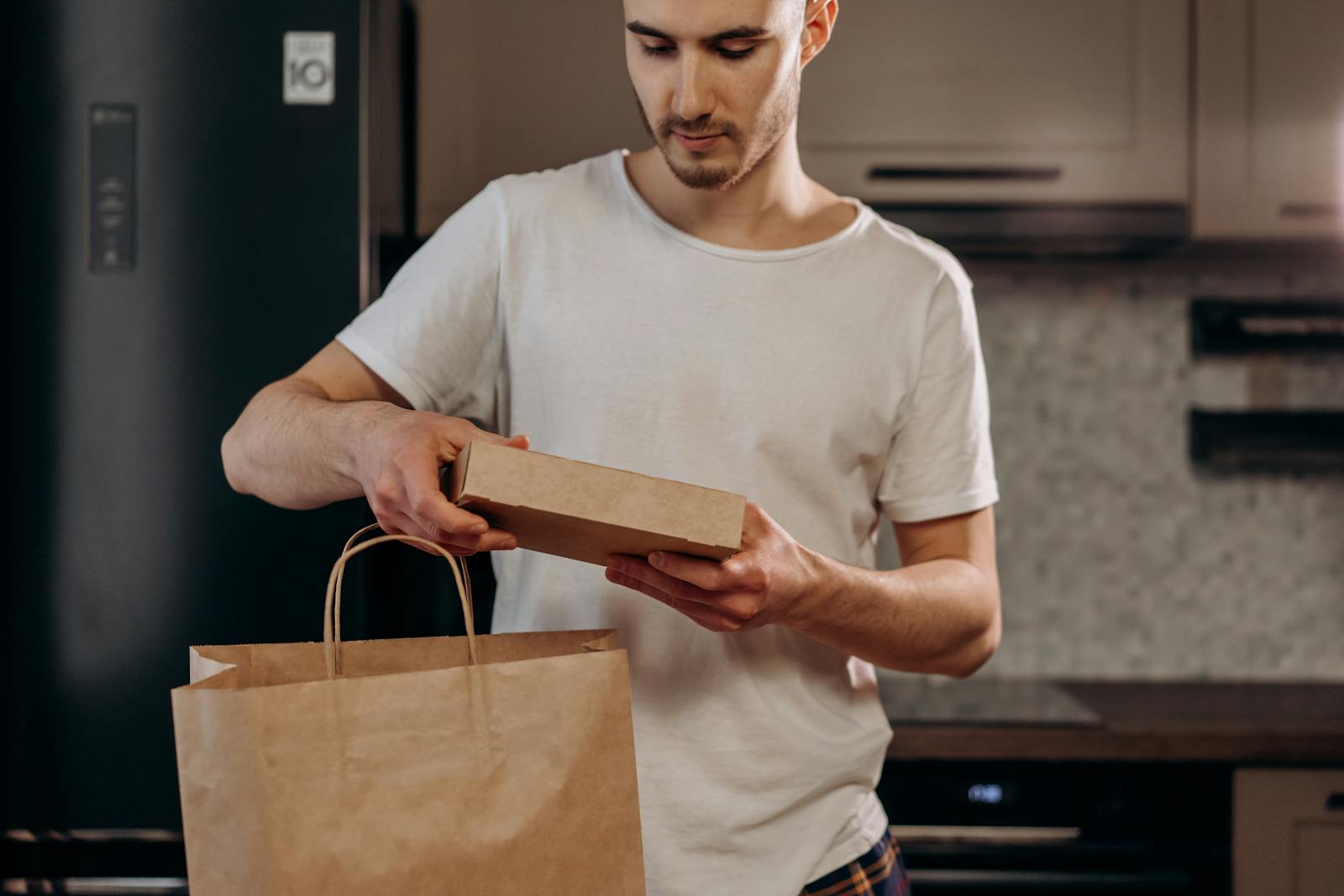
Recent studies have revealed that individuals who consistently order the same meal at restaurants may be exhibiting deeper psychological traits. This trend not only reflects personal preferences but also provides insight into broader behavioral patterns that can affect social interactions, decision-making, and even mental health. Understanding these implications can help individuals reflect on their habits and possibly make more informed choices.
1. Comfort in Familiarity
One of the primary reasons individuals tend to order the same dish repeatedly is a desire for comfort. Familiar meals create a sense of security, especially in environments that can often feel overwhelming, such as busy restaurants. This need for comfort can stem from a variety of sources, including stressful lifestyles or a general preference for predictability.
2. Decision Fatigue
In today’s fast-paced world, many people suffer from decision fatigue. With countless choices available in every aspect of life, including food, the mental energy required to make decisions can drain individuals. As a coping mechanism, repeatedly choosing the same meal minimizes the cognitive load, allowing diners to conserve energy for more significant decisions throughout the day.
3. Fear of Regret
Another factor influencing this behavior is the fear of regret, often referred to as “FOMO” (Fear of Missing Out). For some, trying new dishes comes with the risk of disappointment. Sticking to a beloved favorite ensures satisfaction, as the individual is less likely to regret their choice. This mindset can lead to a cycle of predictability that is hard to break.
4. Personal Identity
Many people associate their food choices with their identity. Ordering the same meal can be a way of expressing personal preferences and lifestyle choices, such as dietary restrictions or cultural backgrounds. In this sense, the act of ordering becomes a reflection of who they are, reinforcing their self-image and values.
5. Social Influences
Social dynamics also play a significant role in food choices. When dining in groups, individuals may default to what they know and love to avoid potential awkwardness or disagreements about food preferences. This social aspect can further entrench the habit of ordering the same meal, as communal dining experiences often prioritize group comfort over individual exploration.
6. Time Constraints
In a world where time is often limited, individuals may opt for familiarity to save time. Whether it’s during a lunch break or a quick dinner after work, the convenience of ordering a known dish can be appealing. This practicality allows individuals to streamline their dining experience without the added stress of making complex decisions.
7. Health Considerations
Health-conscious individuals might choose to order the same meal consistently to maintain their dietary goals. Familiar foods can be easier to track in terms of calories, nutritional value, and overall health impact. This pattern may help individuals stay committed to their health goals, reducing the temptation of less healthy options.
8. Nostalgia
Food often evokes powerful memories, and ordering the same dish can be a way to reconnect with positive past experiences. Nostalgia plays a significant role in our food choices, as individuals may seek to recreate moments associated with comfort and happiness. This emotional connection to food can reinforce the preference for familiar dishes.
9. Habit Formation
Human behavior is significantly influenced by habit formation. Once a pattern is established, it can be challenging to break. Ordering the same meal becomes a routine, and the brain adapts to this behavior, making it easier to choose the familiar option every time. This can lead to a cycle where the individual feels compelled to stick to their habitual choice.
10. Economic Factors
Economic considerations can also impact food choices. Individuals may choose to order the same dish if it is perceived as a better value. Familiar meals that offer satisfaction without breaking the bank can become the default option, especially in times of financial uncertainty.
11. Personality Traits
Lastly, personality traits can heavily influence dining behavior. Research suggests that individuals who are more organized and detail-oriented may be more inclined to stick to familiar choices. Conversely, those who are more adventurous might relish exploring new options. Understanding these traits can shed light on why some people gravitate toward the same meal while others enjoy the thrill of variety.

As a mom of three busy boys, I know how chaotic life can get — but I’ve learned that it’s possible to create a beautiful, cozy home even with kids running around. That’s why I started Cultivated Comfort — to share practical tips, simple systems, and a little encouragement for parents like me who want to make their home feel warm, inviting, and effortlessly stylish. Whether it’s managing toy chaos, streamlining everyday routines, or finding little moments of calm, I’m here to help you simplify your space and create a sense of comfort.
But home is just part of the story. I’m also passionate about seeing the world and creating beautiful meals to share with the people I love. Through Cultivated Comfort, I share my journey of balancing motherhood with building a home that feels rich and peaceful — and finding joy in exploring new places and flavors along the way.
