Cheap fish can come with a catch. According to a creator who posts as @Retailure, inspectors shut down a Captain D’s in Jacksonville for rodents in July, and the chain still sells a fish meal for $5.99. He opens his video with the other end of the market too, where he says thousands of people heading out to fish fries are “paying $30 for fried fish and potatoes.”
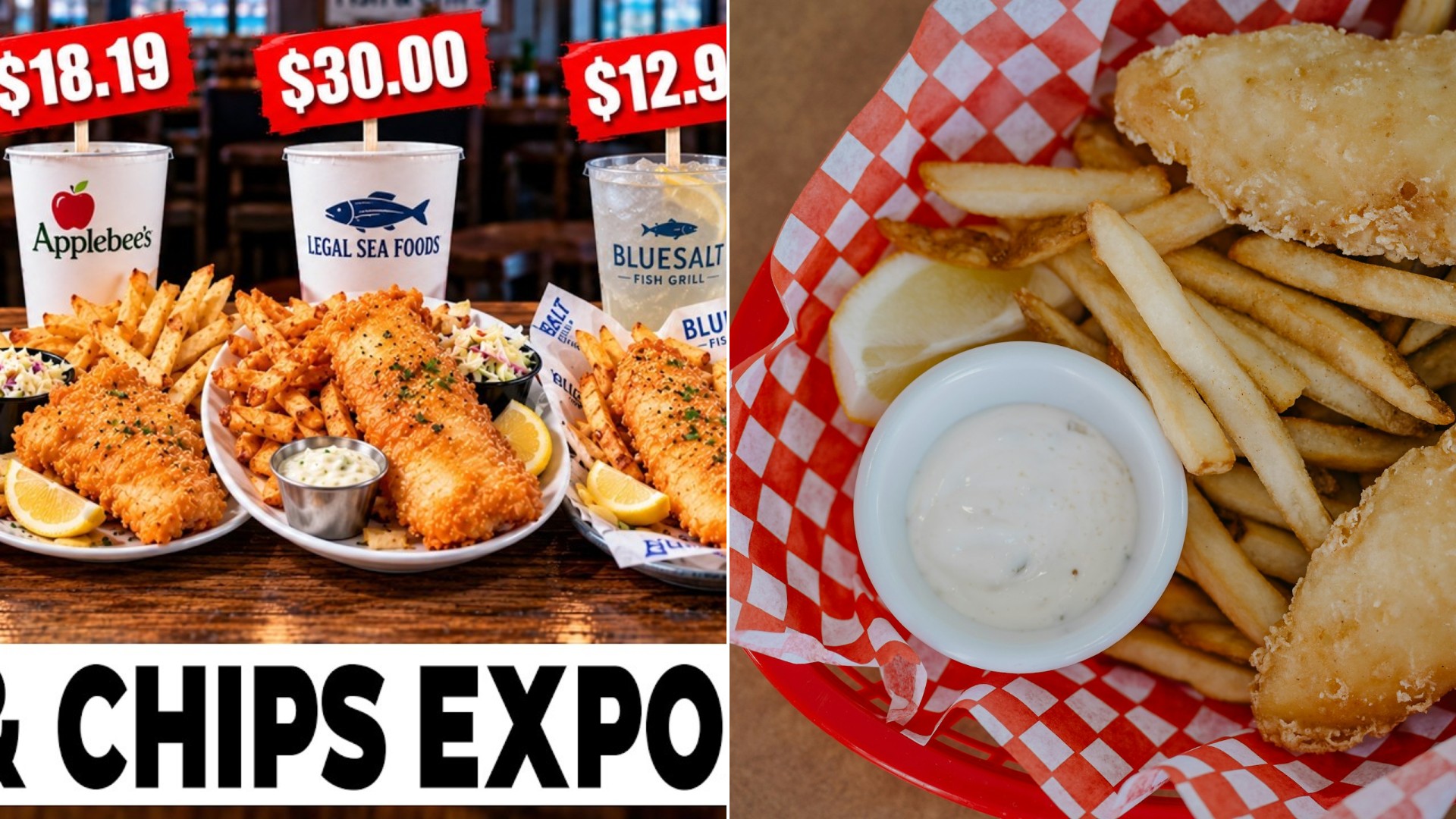
His verdict on that number was blunt. “It is a ransom note,” he says. It is hard to argue that $30 for a plate of fried fish and fries sits comfortably with most family budgets, especially when you add a drink and a tip.
The Jacksonville Closure
Here is what the creator says the Florida records show. Inspectors shut down a Captain D’s in Jacksonville on July 28 after finding rodents. They logged three high severity violations, which he explains is the label for the risks most likely to make a customer sick. It was the second emergency closure in that store’s history.
The store reopened at 10:08 the same morning. He adds that Florida records show high severity violations at every inspection at that location since late 2023. That is the detail he wants viewers to remember when the conversation turns to the price of the meal.
Not Just One Store
The creator goes on to read through other Florida inspections. In Lake City, he says, a July 7 inspection logged six high severity violations, including food from an unknown source, an employee who did not report illness and missing shellfish records. The store stayed open, and he notes that location has 26 inspections on record and 138 violations.
In Palatka on August 3, inspectors logged six more, and staff showed no allergen awareness. In Panama City, an April inspection logged six high severity violations. He adds that Florida also lists closures tied to roaches, rodents and roof leaks, and that a Duval County store failed in January with food out of temperature and unwashed hands.
Those are Florida stores out of more than 530 across 23 states. By his reading, Florida Captain D’s stores average five and a half violations per inspection, compared with a state average of 4.67. A fair note is that these are one creator’s readings of public records, and a single shutdown does not mean every branch has a problem.
The $5.99 Meal
Then there is the price. The creator says you can grab a fish meal at Captain D’s for $5.99, and in early 2026 the chain even ran $4.99 meals. By Lent, it was pushing a crispy shrimp deal. The chain’s marketing chief calls the value unbeatable. His take is that a price like that tells you what gets cut when the margin is thin, and that when the price is $5.99, every shortcut starts to look like profit.
He also points to the ownership trail. Captain D’s has sold fried fish since 1969, and he says the chain has passed between private equity owners several times, including Sun Capital Partners and Sentinel Capital Partners. Whether or not ownership has anything to do with the kitchen, his point is that the people collecting the money are often far from the fryer.
Where the $30 Plate Comes From
The $30 figure is not made up. In the same video, the creator names Legal Sea Foods as the chain that lists fish and chips at $30 in Boston, Chicago and Short Hills, New Jersey. He is fair about it, noting that plenty of reviewers say the fish there is good, and that his complaint is about the price.
He ranks the five worst and five best fish and chips in America for 2026, showing who owns each one. On his best list are places such as a Seattle dive bar and a small Portland, Maine shop, which he says show what it looks like when the cook, not the shareholder, calls the shots. His promise is that the ranking will help you see which value menus are worth the money and which hide something less appealing.
How to Check a Restaurant Before You Eat There
In most places, health inspection results are public. A few quick steps can give you peace of mind.
- Search your local health department’s website. Most counties and cities post inspection reports online. Search for the restaurant by name and address.
- Look at the date. A report from last month tells you far more than one from three years ago.
- Read the details. A minor note about a missing label is very different from a finding about pests or food held at the wrong temperature.
- Check for a posted grade or certificate. Some areas require restaurants to display a rating near the entrance.
- Trust your eyes and nose. A clean dining room, tidy counters and fresh smelling fish are good signs. If something seems off, leave.
Finding Value Without the Gamble
Whether you pay $6 or $30, a good fish fry follows the same rules. The fish should be hot, crisp on the outside and flaky within. The oil should be clean, which you can often tell by a light color and no burned smell. If the fish arrives greasy or dark, that is a sign that the oil has been used too long.
Some of the best deals are not at the chains at all. Church and civic group fish fries often cost less than a restaurant and raise money for good causes, though prices and portions vary and are worth checking in advance. Grocery stores sell frozen fish that you can bake or air fry at home for a few dollars a serving. If a deal seems too good to be true, check the inspection history. If a menu price seems wildly high, compare it with two or three other places in town. And remember that you are the customer, so you are free to say no.
More Stories You May Like
- Diner Orders at a Self Serve Kiosk Fills Their Own Drink and Stacks Their Own Dishes Then the Screen Still Asks for a Twenty Twenty Five or Thirty Percent Tip
- Former Applebees Waiter Who Worked Fourteen Hour Shifts for Two Dollars an Hour Says Servers Today Take Fifteen Minutes to Bring a Sweet Tea and Still Want a Fifteen Dollar Tip
- Woman Turned Down Being Maid of Honor for the Friend Who Vanished Once She Got a Man and Has Not Heard a Single Word From Her in a Month