There is a moment every steak lover knows. The knife goes in, and something feels off. Chris Cruze, a Louisiana man, caught that moment on camera when he cut into a LongHorn Steakhouse wagyu ribeye that was not cooperating.
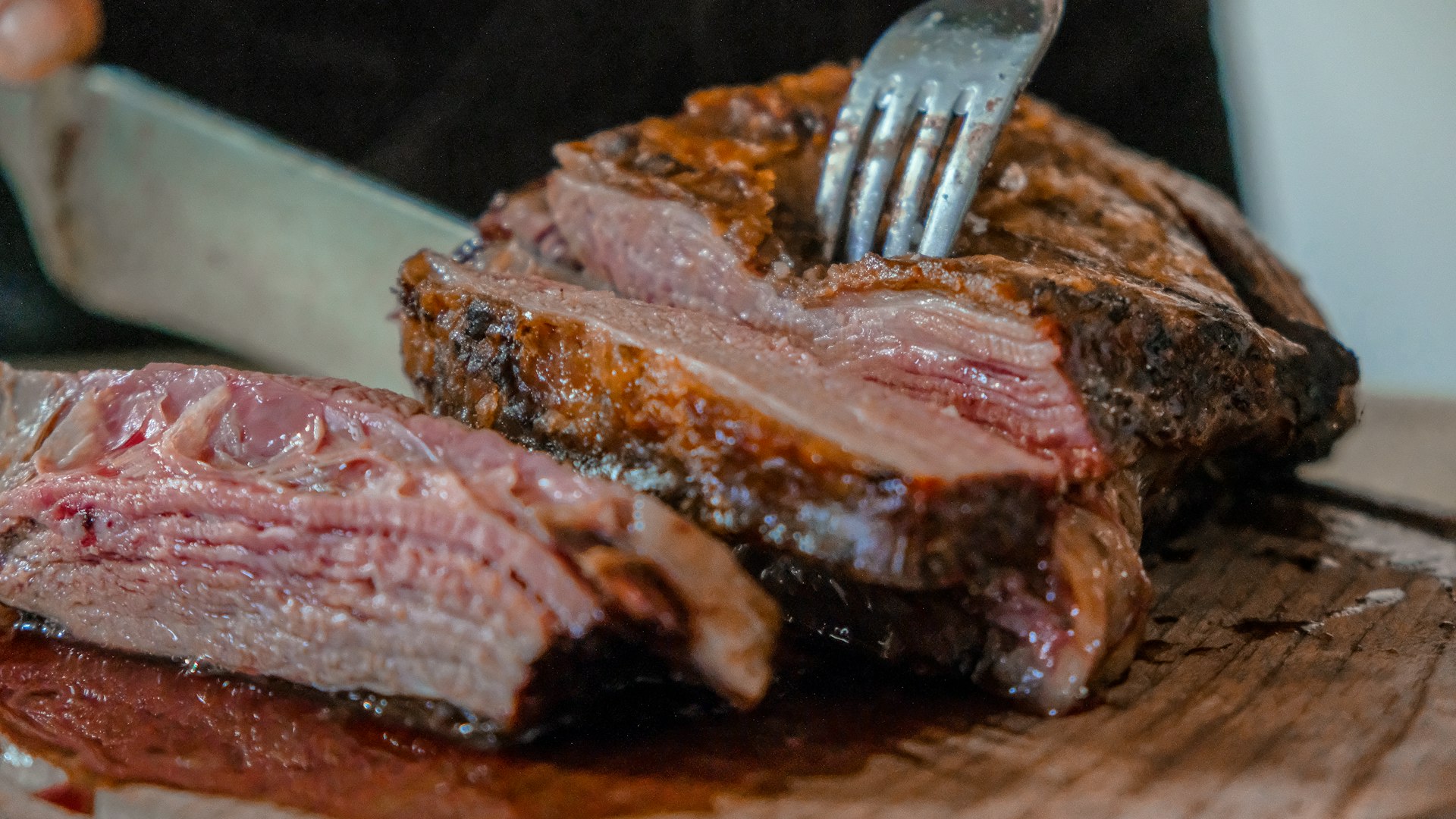
In his post at @cruze_shenanigans, put up on Oct. 31, he shows himself struggling to saw through the steak. Then he turns the camera to the inside.
@cruze_shenanigans
The Steak Was Hard To Cut, And The Inside Was Almost Completely Pink
The clip shows a ribeye that does not slice easily. Chris works at it, and when the cut finally opens up, the middle is nearly all pink.
That is a long way from the way many diners expect a steak to arrive unless they ordered it rare. A wagyu ribeye is a premium cut with a premium reputation, so a tough, pink center is a letdown for the money.
On-screen text asks viewers a simple question: are you eating it, or sending it right back to the chef?
“Eating It Or Sending It Back?” Splits The Comment Section
Plenty of people sided with Chris and his disappointment. They saw the same pink center and the same trouble with the knife, and agreed that this was not what they would want on their plate.
Others raised more concerns about the steak. The conversation turned into a mini debate about what a good ribeye should look like and whether this one passed the test.
No LongHorn response to the post has turned up, so the question Chris asked is still open for anyone who has ever been in the same spot.
Why Sending A Steak Back Feels So Awkward
Most of us hate making a fuss in a restaurant. The table is happy, the food is out, and nobody wants to be the person who holds up dinner. So we sit there, poke at the plate, and wonder whether it is worth saying something.
It should be. When you pay for a steak, you are paying for it to be prepared the way you asked. A polite request to fix it is not rude, and good restaurants expect it.
The best time to speak up is right away, before you have eaten much of it. That way the kitchen can fix the problem, and your own dinner is not cold by the time the new one arrives.
What Makes A Wagyu Ribeye Different From A Regular Steak
Wagyu is a term for beef from Japanese cattle breeds, and it is known for heavy marbling, which means thin streaks of fat running through the meat. Cooks and diners often describe that fat as the reason premium beef is so tender and rich.
Because of that marbling, a wagyu-style steak is usually priced higher than a regular cut, and diners expect a lot from it. That is exactly why a steak that fights the knife and looks raw in the middle stands out so much to the person paying for it.
It does not mean every diner will react the same way. Some people truly enjoy a steak cooked on the rare side. But when the plate does not match the order, the diner is the one who gets to say so.
The best approach is to know what you asked for, and to speak up kindly when the steak in front of you is not it.
How To Get The Steak You Ordered
Whether you like your steak rare or well done, a few tips can save you from a disappointing plate.
- Say your doneness clearly when you order, and ask the server to repeat it back to you.
- Know the basic terms. Rare is cool and red in the center, medium rare is warm and red, and medium is warm with a pink center, according to common culinary standards.
- Cut into the steak before you start eating. If the steak is wrong for you, tell your server then, not halfway through the meal.
- Be calm and kind. Say something like, “This is a little more pink than I asked for. Could the kitchen cook it a bit longer?”
- Ask for a manager if the problem is not fixed. Most places want to make it right.
It also helps to remember that a cut of beef with heavy marbling can look different from a plain steak. The fat in a premium cut can change how it cooks and how it feels when you cut it, so ask your server what to expect.
A Good Steak Is Worth Speaking Up For
Chris Cruze did not need to say much. His clip shows a wagyu ribeye that was hard to cut and nearly all pink inside, and the question he put on screen got people talking.
His story is a good reminder that you do not have to settle. If your steak is not right, you have every right to ask the kitchen to fix it. A steakhouse meal should be a treat, and a polite word to your server is a small price to pay to get the dinner you wanted.
Next time you sit down to a nice steak, cut into it early, look at the center, and do not be shy. Your wallet and your appetite will both thank you.
More Stories You May Like
- 92-Year-Old Spends $120 On Thanksgiving Food For Six People And Plans 14 Dishes To Feed Everyone Thursday Through Monday, Says It Is Almost What She Spends In A Month
- 92-Year-Old Grandma Makes Thanksgiving Sweet Potato Casserole For $11.52 With Eight Big Portions, Then Takes One Bite And Says She Has Never Called A Recipe Perfect Before
- Cracker Barrel Turns Its Famous Front Porch Rocking Chairs Into Veteran Tribute Art At 10 Stores, Donates $100,000, And Hands Veterans A Free Sunrise Pancake Special On Nov 11