In 2020, Brian Schwartz lost his job in the middle of the COVID-19 pandemic. He was a new father, and he was also caring for a sick parent. Plenty of people would have stayed on the couch and worried. Schwartz walked outside and started mowing lawns.
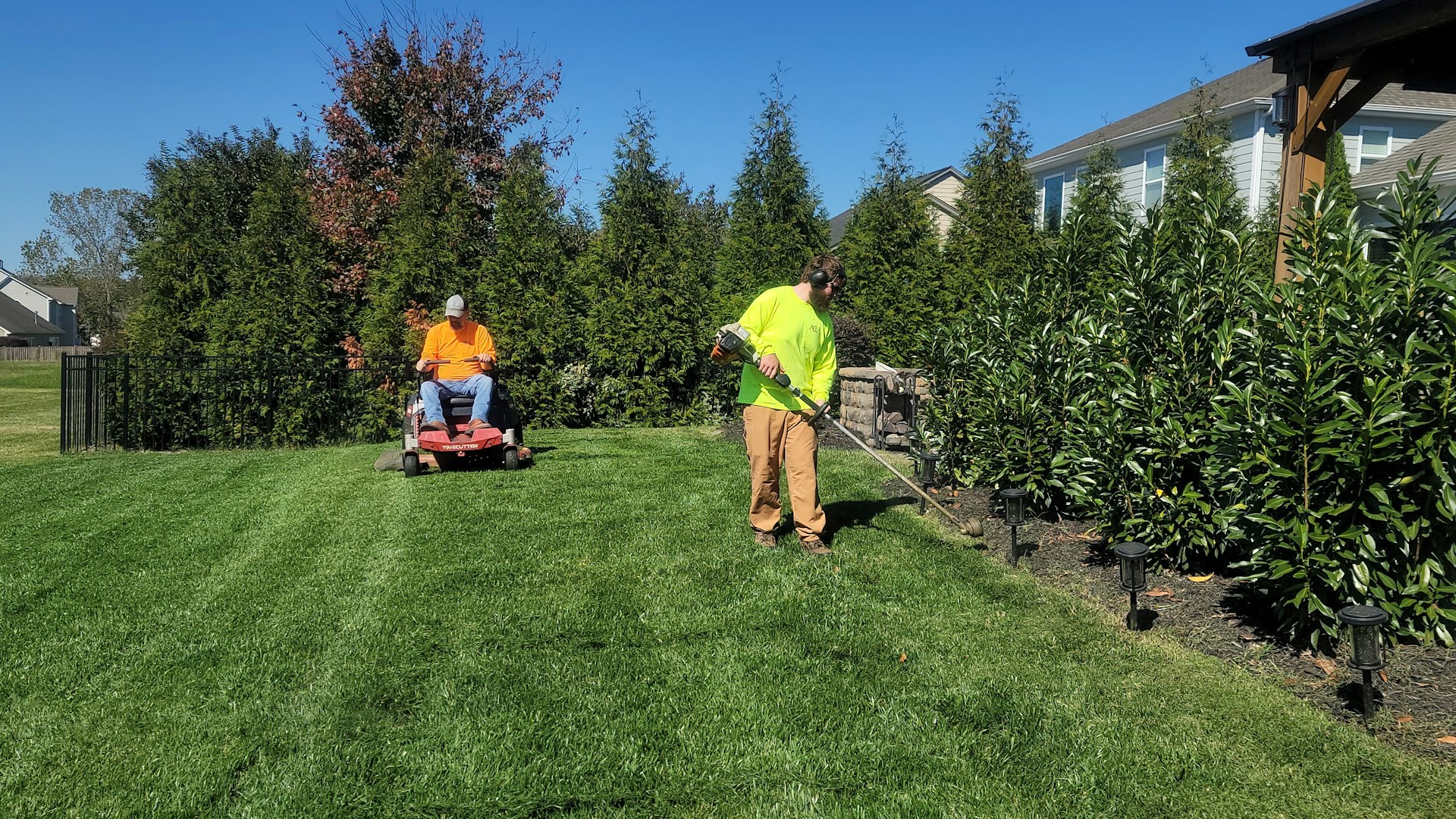
Six years later, that decision has grown into a volunteer-powered nonprofit with about 2,100 approved volunteers, by his own count, spread across every state.
He Lost His Job, Then Looked Around The Neighborhood Instead Of Staying Home
Schwartz noticed that some of his elderly neighbors needed help with their yards. In a year when everyone was keeping their distance, cutting grass was a safe way to help without getting close.
So he began mowing for free. He started with a mower, a small group of volunteers and a basic website with his contact details.
Then something unexpected happened. Requests began arriving from outside his own neighborhood, and volunteers began joining. “We were doing what we could to provide some relief at a difficult time,” he has said of those early days. “One thing led to another with people starting to reach out, homeowners, volunteers.”
A Letter From A Stranger Changed Him
One piece of mail stayed with him. A stranger wrote: “I came across your story about mowing lawns. It gave me some hope and inspiration… You are the reason that somebody believes in these people. You are that reason, sir.”
“That changed me. I needed to hear that, too,” Schwartz said. “Reflecting back, helping others helped me.”
The group now shares its work on TikTok through @iwanttomowyourlawn, where the nonprofit posts clips of volunteers at work.
See the I Want To Mow Your Lawn account on TikTok
What I Want To Mow Your Lawn Actually Is
I Want To Mow Your Lawn is a 501(c)(3) nonprofit established in 2020 and based in Wayne, New Jersey. It describes itself as operating in all 50 states.
Its stated mission is to preserve dignity, enable independence and build community by providing eco-friendly essential lawn care for older adults, veterans and others in need. The group is clear that it is not a landscaping company.
The help is free and temporary: one visit at a time, no contracts and no fees. Donations are optional and tax-deductible, and they never guarantee or move anyone up the line. Instead they pay for operations, insurance and equipment.
How A Neighbor In Need Gets Matched With A Volunteer
A person who needs help, or a family member, caretaker or case manager, can fill out an intake form or call a phone line. The request then becomes visible to participating volunteers nearby, and each volunteer chooses which visits to take.
The organization says it cannot promise a match, and volunteers do not have to swap personal phone numbers. Volunteers log their hours and upload before-and-after photos.
There is also a “Mow Notice” service. Someone who has noticed a neighbor struggling with an overgrown yard can alert the organization, which then reaches out to the homeowner respectfully.
The Numbers Show How Big The Need Has Become
Schwartz shared the group’s figures in a recent profile. There are more than 2,100 approved volunteers, and volunteers have made more than 3,100 free service visits so far.
From January 1 through November 10, 2026, the group received 7,049 requests for help, and 679 new volunteers signed up. At its busiest this summer it received more than 60 requests a day, and requests have nearly doubled in the past year.
The people asking tell their own story. About half are 65 or older, roughly three in four report a disability or physical limitation, and about one in seven are veterans.
About a third of requests come through the phone line, 862-66-MOWER, because many of the people who need help are not online. More than 100 case managers and social workers have referred people to the group.
Schwartz is candid about the limits. “Having volunteers in every state doesn’t mean we have someone in every neighborhood,” he said.
The New York Yankees Showed Up With A $20,000 Check
On Thursday, June 18, 2026, the New York Yankees recognized Schwartz and the nonprofit on day four of HOPE Week. Players and staff cleaned the backyard of a woman named Ho Kim, whose yard volunteers had cleaned before.
Reliever Fernando Cruz mowed with his daughter Lara. General manager Brian Cashman cut tree limbs, hitting coach James Rowson raked, and third-base coach Luis Rojas brought his son, Luis Jr.
The team presented the organization with a check for $20,000. “It’s just truly unbelievable. I’m honored and humbled. I’m still trying to process it. Doing this six years ago was a way to stay busy,” Schwartz said.
The nonprofit’s website now carries a “2026 New York Yankees HOPE Week Honoree” banner.
Everyday Neighbors Do Most Of The Work
Most volunteers are ordinary neighbors, though the group sometimes works with lawn care creators and professional landscapers. No special training is required, and volunteers can offer whatever services they can.
Equipment can be loaned or donated through a Pay It Forward marketplace. A Buddy System lets volunteers team up, and churches, workplaces and other groups can organize a service day.
For Veterans Day, Schwartz teamed up with Australian lawn care creator Nathan’s Lawns and Gardens and Ohio’s Kyle Breiner of Breiner Lawn to transform an Air Force veteran’s yard in New Jersey, with Honda providing tools.
How You Can Help Or Ask For Help
If you have a neighbor who is struggling to keep up with a yard, the Mow Notice service is a gentle way to speak up. If you need help yourself, you can call 862-66-MOWER or have a family member or caretaker submit the intake form.
If you would rather give time than money, volunteering takes no special skills. Schwartz is realistic that each visit is a one-time offering. “We offer temporary relief when someone nearby is available, and we can’t guarantee a visit or ongoing service,” he says.
Schwartz is back to full-time work now and runs the nonprofit in his free time. “I’m proud of how far this has come and grateful to everyone who helped build it,” he said.
One note from a caregiver in Arizona sums up what a mowed lawn can mean. After volunteers cleared an overgrown yard, she wrote to him: “Brian I thank you for giving James the sky back.”
More Stories You May Like
- Thanksgiving Dinner For 10 Is Forecast At $78.93 This Year, Down Slightly, But Pumpkin Pie And Gravy Mix Cost More While Cranberries Dropped 6.6%
- Restaurants Bring Back Old School Hospitality As Ford’s Garage Trains Staff On A Grandmother’s Warmth And One Chef Warns, “The Robots Are Coming”
- Wendy’s Reports Seventh Straight Quarter Of Falling Sales, Rejects A $1.4 Billion Takeover Offer And Makes Breakfast Optional For Franchisees