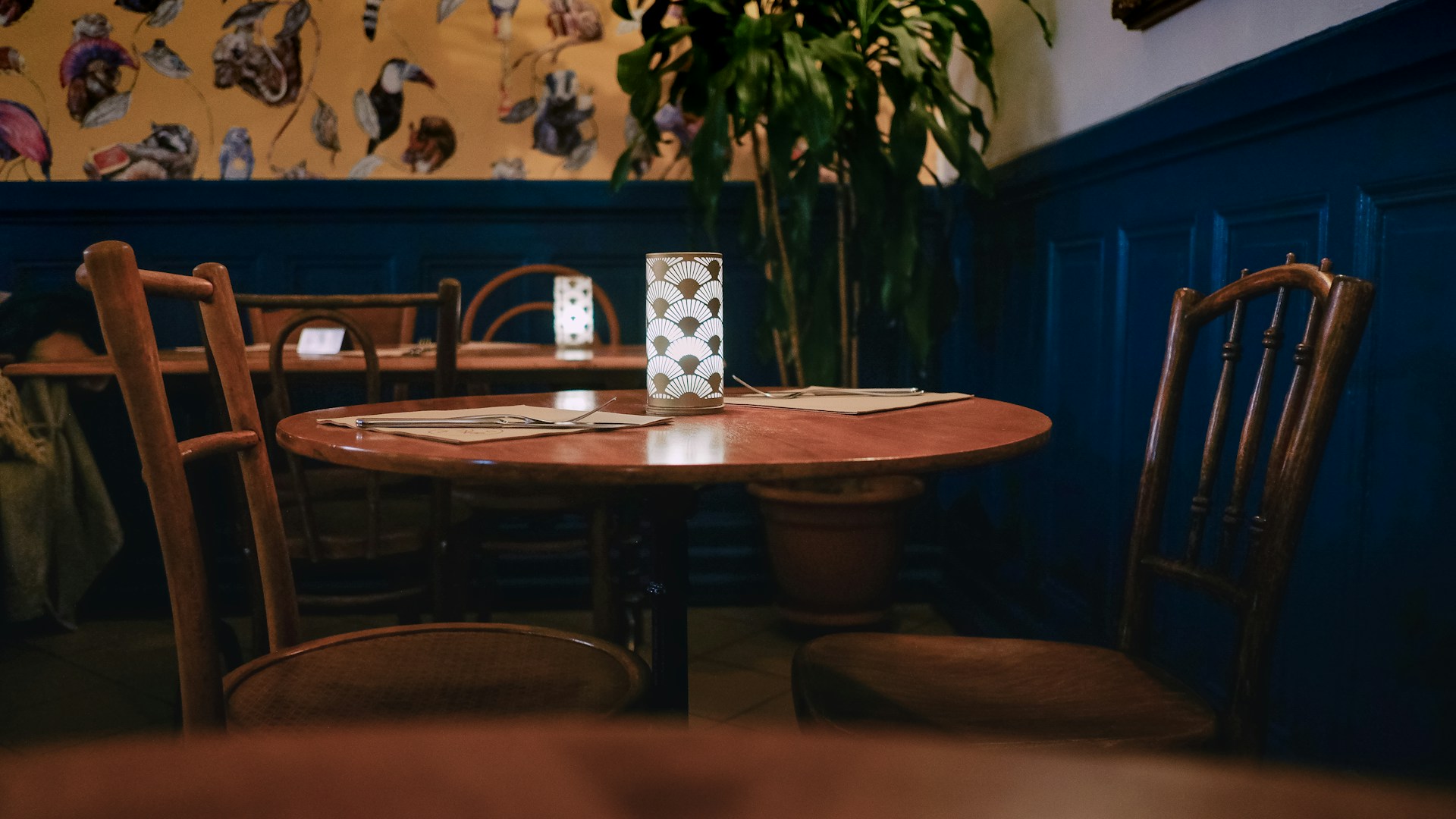
Walk into a restaurant today and you may feel like you have stepped back in time. After years of modernizing, many chains are looking backward, and diners seem happy to follow.
Fox News Digital reported the trend on November 8, in a story by Peter Burke here. It points to a pair of well-known names and two restaurant leaders who say old-fashioned hospitality is making a comeback.
Pizza Hut Brings Back The Red Roof While Cracker Barrel Hears The Backlash
Pizza Hut has revived its classic red-roof dining experience, a look many Americans remember from birthday parties and family nights out. Cracker Barrel, on the other hand, faced backlash over efforts to modernize its familiar image.
The message from customers was loud. People love the places they grew up with, and they do not want them changed too much.
Some operators see an opportunity in that. They believe the real prize is not vintage decor or throwback menus but something less tangible, which is old-fashioned hospitality.
Ford’s Garage Built Its Training Around A Grandmother
Ford’s Garage is a Michigan-based casual-dining chain with 36 units, and its look is modeled after a 1920s service station. Its president, Billy Downs, based the staff training program on his grandmother.
The program is called the “hospitality wheel,” and it draws on the warmth and attention he remembers from visiting her. Downs said, “she made you feel special,” and the chain wants guests to leave feeling the same way.
He also said the company wants diners to connect with the staff. It plans to take the same approach with it as it grows.
A Third Generation Chef Says Nostalgia Cannot Be Copied
Chef Joe Isidori owns Arthur & Sons, with locations in New York and Florida. He is a third-generation New York City chef.
He says younger diners already value restaurants with authentic histories and experiences that cannot be easily copied. In his words, “What they’ll never be able to replace is the nostalgic real-life experiences.”
Isidori argues that customers are getting pickier about where their money goes. As he puts it, “If they’re going to spend money, it’s got to have an experience to it.”
“The Robots Are Coming,” The Chef Warns
Isidori sees a bigger challenge ahead as automation advances. The question is how restaurants will keep the personal connection that separates hospitality from a purely transactional visit.
He was blunt about the timeline. “Restaurants are really going to have a problem in 10 years,” he said, adding, “the robots are coming.”
Still, he believes human connection will become more valuable as technology spreads. His own confidence is clear: “A robot can’t do what Joe Isidori does.”
Why Old School Service Feels So Good
Many of us remember a time when the server knew your name and the owner stopped at the table to ask about the family. Those small gestures cost nothing, yet they leave a lasting memory.
Modern restaurants have gained a lot from technology, including faster ordering and easier payment. The risk is losing the feeling of being welcome.
The restaurants in this story are betting that warmth is a competitive edge, and the growing interest in familiar looks and classic service suggests they may be right.
The Red Roof And The Country Store Are Part Of Family Memories
Pizza Hut’s red roofed buildings were once a familiar sight in small towns across America, and plenty of families have a birthday party or a report card celebration tied to one. Seeing that look return stirs up good feelings for people who grew up with it.
Cracker Barrel, which opened its first location in Tennessee in 1969, has long built its brand around a country store feel with a front porch and rocking chairs. It is no surprise that customers spoke up when they thought that familiar image might be changing.
These reactions show how deeply people connect restaurants to their own memories.
Small Touches Show A Big Difference
Hospitality often comes down to little things, such as a warm hello, a refilled glass and a server who checks back at the right moment. Guests may not remember the exact words, but they remember how they felt.
Downs built a whole training program on that idea, and his grandmother’s example shows that the best lessons often come from home.
How To Find A Restaurant That Still Treats You Like Family
You do not need a big chain to find old-fashioned hospitality. A few simple clues can point you toward the kind of place that makes you feel special.
- Notice the greeting. A place that looks up, smiles and says hello at the door usually trains its staff well.
- Watch how the staff treat each other. A team that works together tends to serve guests with more care.
- Look for regulars. A dining room full of familiar faces is a good sign that people feel welcome.
- Say thank you. Kind words go a long way, and good service tends to reward good guests.
As diners get more selective about where they spend, the places that offer an experience, not just a meal, stand to do well. If Downs and Isidori are right, the future of the table may look a lot like its past.
The next time a server treats you like a guest in their home, remember that this is exactly what many restaurants are working hard to bring back.
More Stories You May Like
- Harry Styles Complains From The Madison Square Garden Stage That A Cappuccino Cannot Cost $10 And A 22% Barista Tip Prompt Is Out Of Control, And New Yorkers Fire Back
- Italian Chef Fired From A Brisbane Restaurant After Refusing To Put Pineapple On Pizza A Third Time Calls It An Insult To His Culture, Then Loses His Unfair Dismissal Claim For Filing Too Late
- Retirees Who Paid Up To $499,999 To Live On A Cruise Ship Are Told To Leave In Cambodia After A Fuel Shortage, And The Founder Admits He Is The Villain In The Story