Picking a suitcase usually feels like a practical decision, something based on size, durability, or how often it will be used. In a TikTok video, @maisonrickie approaches it differently, turning the conversation toward what luggage choices say about a person. His perspective shifts the focus away from function alone and toward identity, suggesting that even something as ordinary as a suitcase can communicate taste and lifestyle.
That idea reframes travel gear in a subtle way. Instead of being purely functional, it becomes part of how someone presents themselves while moving through different spaces. The type of luggage you carry, the material, the design, and even the brand can signal preferences that go beyond travel itself. What seems like a small decision starts to feel more intentional when viewed through that lens.
What the Video Breaks Down
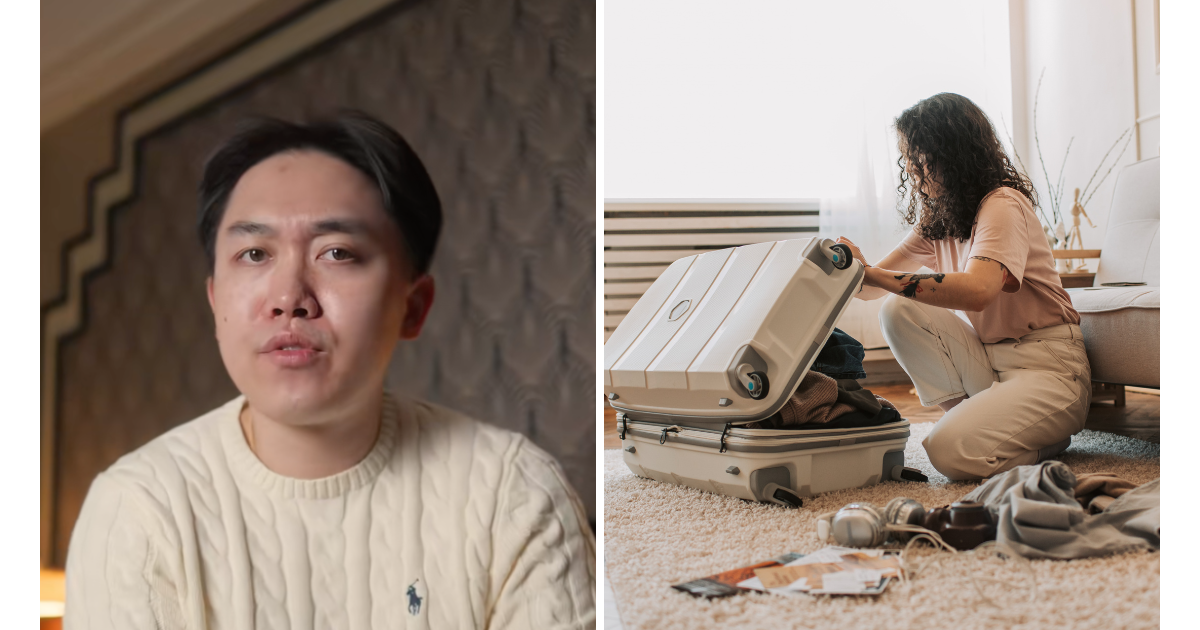
In the video, he talks about his search for a new check-in suitcase and how it led him deeper into the world of travel branding. What begins as a simple purchase quickly turns into a comparison of how different brands position themselves. He explains that each option offers more than just features, it offers a certain kind of experience.
He compares brands like Rimowa and Monos, highlighting how they differ in both design and perception. One leans toward a more polished, durable aesthetic, while the other focuses on minimalism and practicality. These differences aren’t just about appearance, they reflect how each brand imagines its customer.
The conversation moves beyond specifications and into meaning. Choosing between them becomes less about which suitcase is objectively better and more about which one aligns with how someone travels. That shift is what gives the topic more depth than expected.
Why Luggage Feels Personal
Travel is often tied to identity, which is why the items associated with it carry more weight than they seem to. A suitcase isn’t just something you pack, it’s something you move through public spaces with. It becomes part of how others perceive you in transit, whether at an airport, hotel, or city street.
Different designs suit different types of travel. A structured aluminum case might suggest frequent, intentional travel, while a lighter, more flexible option might signal ease and practicality. These associations aren’t fixed, but they influence how people interpret what they see.
That’s where personal preference comes in. People tend to choose items that match how they see themselves, or how they want to be seen. Luggage becomes another extension of that choice, even if it starts as a functional purchase.
How Brands Shape the Decision
Part of what he highlights is how brands play a role in shaping perception. Luggage companies don’t just sell products, they sell an idea of travel. Through design, marketing, and storytelling, they create a sense of what using their product represents.
This ties into broader ideas from Sociology, where consumption is often linked to identity. The things people choose to buy can signal belonging, taste, and familiarity with certain lifestyles. A suitcase, in this context, becomes part of that signal.
What’s interesting is how subtle these signals can be. Two suitcases might serve the same function, yet communicate very different things. That difference is what makes the decision feel more significant than it appears on the surface.
Why This Conversation Feels Familiar
The topic resonates because it reflects a broader shift in how people think about everyday items. More attention is being paid to details that once felt purely practical. Choices around clothing, accessories, and even travel gear are now seen as expressions of personal style.
There’s also a growing awareness of how branding influences perception. People are more conscious of why they are drawn to certain products and what those products represent. This makes conversations like this feel relevant, even when they focus on something as specific as luggage.
The video doesn’t present one option as correct. It simply highlights how different choices align with different identities. That openness makes it easier for viewers to see themselves within the conversation.
What Would Your Luggage Say About You?
The decision ultimately comes down to how someone approaches travel. Some may prioritize durability and structure, while others focus on ease and flexibility. Both choices are valid, but they reflect different preferences and priorities.
Thinking about luggage this way adds another layer to what might otherwise be a quick purchase. It encourages people to consider not just how something works, but how it fits into their lifestyle. That awareness can make even small decisions feel more intentional.
So the question becomes less about which suitcase is best and more about what feels right for you. If your luggage reflects your travel style and identity, what would yours say?
More from Cultivated Comfort:
- 7 Vintage Home Items From the ’60s That Are Collectors’ Dream Finds
- 7 Vintage Home Goods That Became Collectors’ Gold
- 7 Fast-Food Chains That Changed for the Worse
- 7 Frozen Dinners That Were Better Back in the Day

As a mom of three busy boys, I know how chaotic life can get — but I’ve learned that it’s possible to create a beautiful, cozy home even with kids running around. That’s why I started Cultivated Comfort — to share practical tips, simple systems, and a little encouragement for parents like me who want to make their home feel warm, inviting, and effortlessly stylish. Whether it’s managing toy chaos, streamlining everyday routines, or finding little moments of calm, I’m here to help you simplify your space and create a sense of comfort.
But home is just part of the story. I’m also passionate about seeing the world and creating beautiful meals to share with the people I love. Through Cultivated Comfort, I share my journey of balancing motherhood with building a home that feels rich and peaceful — and finding joy in exploring new places and flavors along the way.