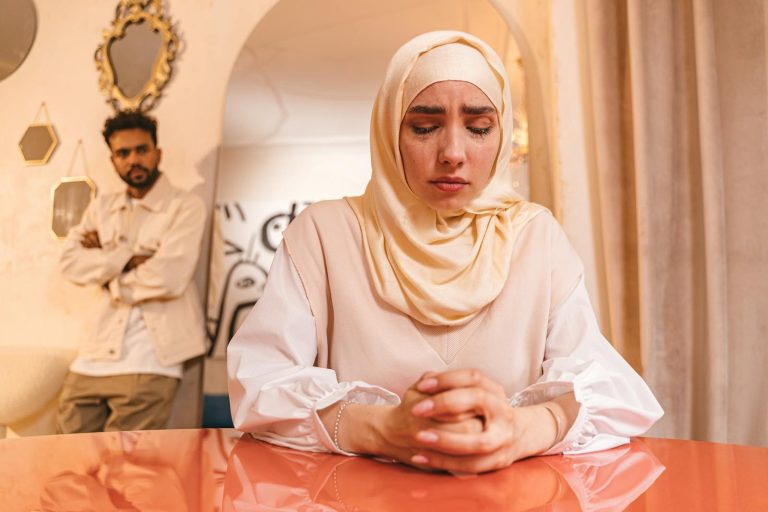
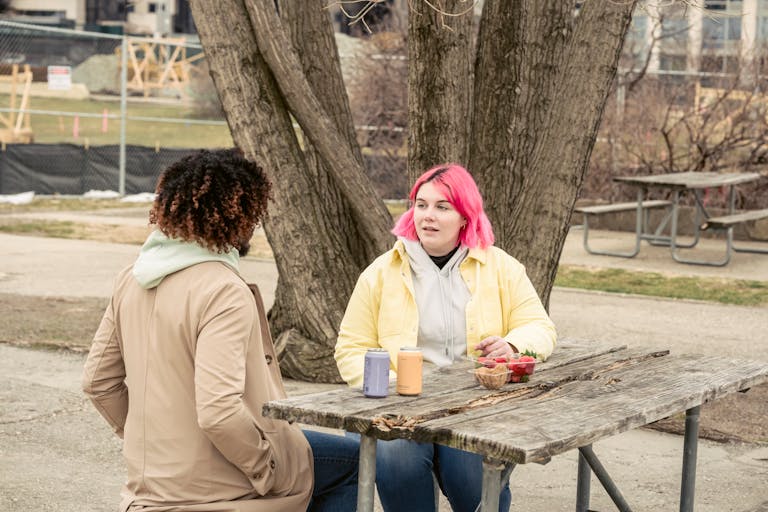
In a bustling southern city, a 16-year-old girl, referred to as “Jane” by online friends, found herself in an increasingly difficult situation at home. After moving from a small Midwestern town to a city of nearly two million residents, Jane’s life quickly took a sharp turn. What began as a fresh start for the family soon turned into a battleground of ideologies, with her mother leading the charge in a crusade against their new home.

It all began in mid-2024 when Jane’s mother suddenly declared her disdain for the state they had just settled in. Jane and her siblings had adjusted well to their new environment and had made new friends, but their mother was having none of it. “Everything about this state is terrible!” she would exclaim, oblivious to the fact that her children disagreed. It wasn’t long before she decided to impose her views onto them, cutting off their access to the outside world in the process.
First, without a warning, Jane’s mother stopped driving. She refused to take Jane’s older brother to work, even though it was just a three-minute drive. This sudden decision led to significant limitations for the family, especially since their father had to work long hours and was only home on weekends. The kids found themselves isolated, unable to attend events or visit friends without the family’s only driver at home.
Then came the bombshell: Jane’s mother pulled her out of public school, firmly believing that “public schools will indoctrinate you!” Homeschooling quickly became one of the toughest experiences for Jane, stripping her of a social life and forcing her to take on the responsibility of caring for her younger siblings. It took Jane a year of tireless attempts to reach out for friendship, only for her mother to dismiss it. “You’re just mature for your age—you don’t need friends,” she insisted, failing to recognize the negative impact of her decision.
As the 2025 school year rolled in, Jane asked her mother if she could take driver’s education. The response was swift and definitive: “Absolutely not! You won’t be driving in this state.” This meant that Jane remained without a means of transportation, despite being well past the age to get her license. Her dreams of independence were dashed. On top of that, her mother also prohibited her from taking a job, insisting she should focus instead on cooking and cleaning—firmly adhering to outdated gender roles.
Jane watched as her mother spiraled into a world filled with fear and conspiracy. Every conversation about the outside world morphed into something sinister. Trying to bring humor into their tense home life, Jane jokingly suggested getting a DNA test for their rescue dog, only to be met with wild theories about government mind control. It became increasingly clear: Jane’s mother was fixated on an imminent apocalypse and felt compelled to escape to an off-grid lifestyle.
Whenever Jane expressed her desire to attend college, her mother would cut her off. “No! We’re moving to a farm, and you’re coming with us!” she would scream, completely ignoring Jane’s aspirations. To add to this chaos, Jane was adamant about not wanting children in the future, a belief that her mother vehemently opposed. “You have to have at least five kids!” was a common refrain, met with Jane’s protests about the career-driven life she envisioned for herself.
As Jane navigated this turmoil, her younger brother, just 14, echoed her desire to seek fun activities like visiting a local pool or the park. But their mother’s reaction was always the same: “NO! THE CRIME IS TOO HIGH! YOU’LL GET SHOT!” This hyperbolic fear kept Jane and her brother almost prisoners in their own home. Jane’s pleas for normalcy were met with threats of punishment, silent treatments, or more screaming, as their mother demanded absolute agreement with her views.
In moments of clarity, Jane reflected on how much she had come to appreciate living in the state that her mother so despised. She missed her old home but felt a sense of resignation toward her current situation. Alone in her thoughts, she began to recognize the detrimental effects of her mother’s negativity on their family dynamic. With the potential of moving to an off-grid farm lurking on the horizon, Jane clung to the hope of taking her younger brother with her when she graduated, seeking an escape from their mother’s overwhelming influence.
The family’s future, it seemed, lay in a fragile balance between Jane’s desire for a normal life and her mother’s increasingly irrational fears. Amidst the screaming, the conspiracies, and the isolation, Jane yearned for understanding and freedom—a hope that seemed forever out of reach.
More from Cultivated Comfort:
- 7 Vintage Home Items From the ’60s That Are Collectors’ Dream Finds
- 7 Vintage Home Goods That Became Collectors’ Gold
- 7 Fast-Food Chains That Changed for the Worse
- 7 Frozen Dinners That Were Better Back in the Day