When you travel abroad, dining can be one of the most enjoyable parts of the experience. But if you’re like many American tourists, some of your habits might annoy locals or even make your meal less enjoyable for yourself. Ignoring local customs, asking for unnecessary modifications, and being overly loud are some of the most common annoying behaviors you should watch out for.
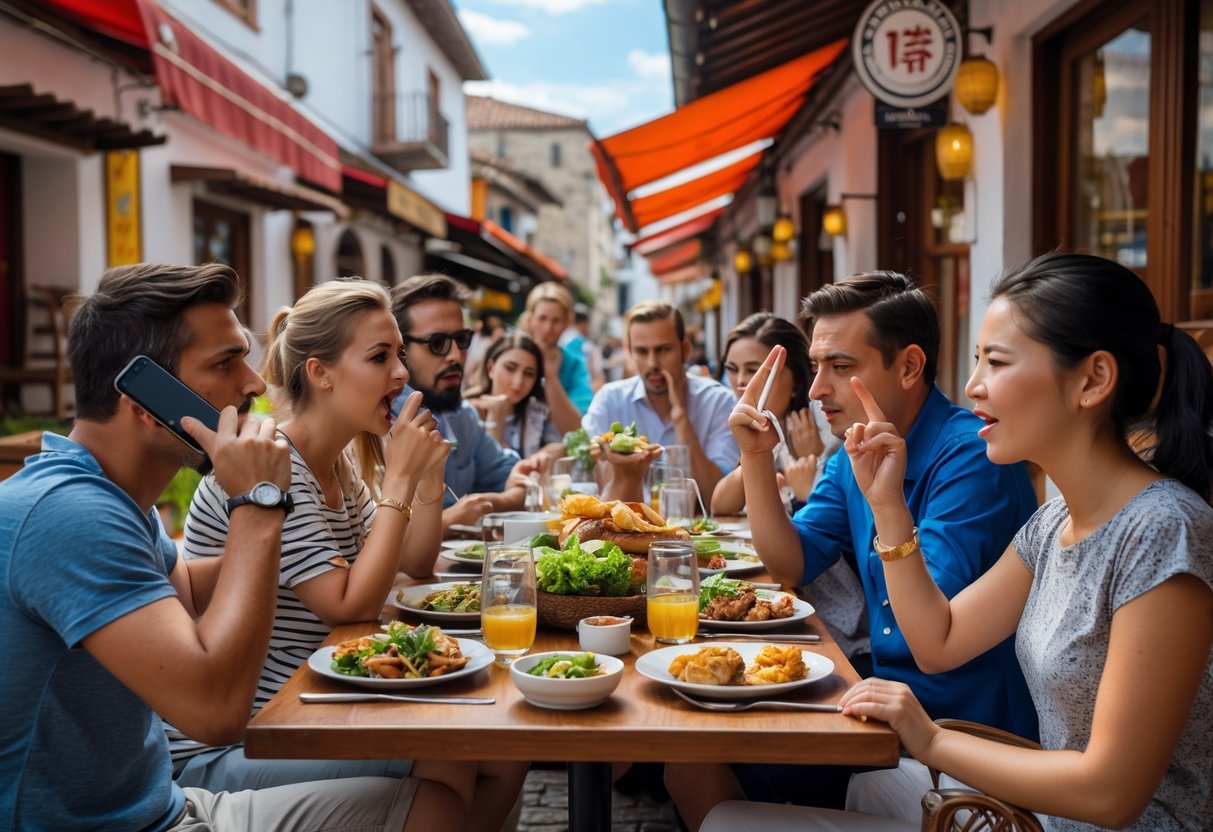
You might be tempted to stick to familiar routines, like tipping the same way you do at home or expecting English menus everywhere. However, these habits often stand out and don’t always translate well in other cultures. Paying attention to local dining etiquette can help you avoid awkward moments and show respect to your hosts.
Top Annoying American Dining Habits Abroad
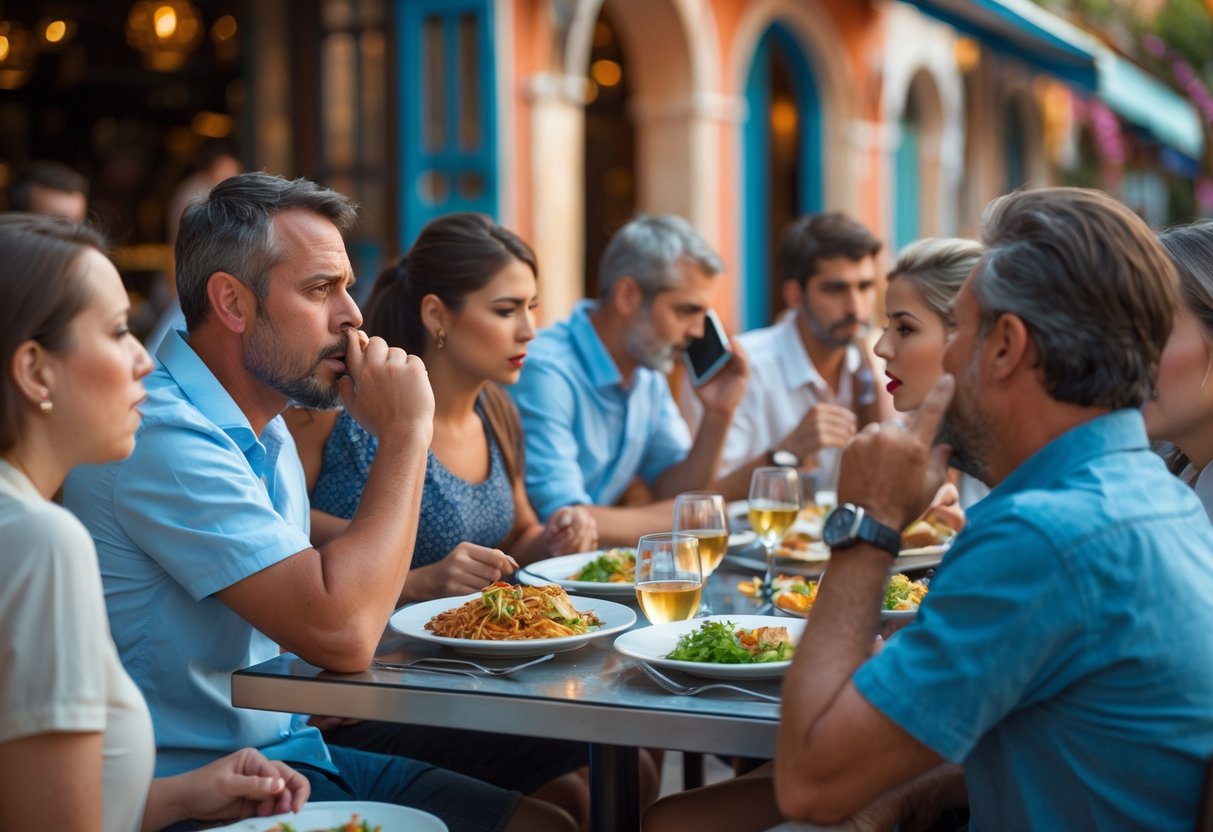
When eating in another country, certain behaviors can stand out and irritate locals or other diners. Small things like volume, requests, and expectations often clash with local customs and can make your dining experience less enjoyable for everyone involved.
Loud Conversations and Oversharing
Speaking loudly at the table is a common issue. In many countries, quieter conversations are the norm, especially in restaurants where the atmosphere is meant to be calm.
Avoid raising your voice or sharing personal details loudly. It can disrupt other diners and make you appear disrespectful, even if you don’t mean to. Pay attention to how locals speak and match their tone.
Nonstop Requests for Modifications
Constantly asking to change dishes, like removing ingredients or swapping sides, can frustrate servers and chefs. Many restaurants pride themselves on their traditional recipes and don’t have the option or desire to accommodate endless tweaks.
If you have dietary restrictions, it’s fine to explain them clearly before ordering. But persistent demands for modifications can be seen as rude or picky.
Expecting Free Refills and Large Portions
Some American dining habits, like asking for free refills on drinks or expecting oversized portions, don’t translate abroad. Many countries serve smaller amounts, and refills usually cost extra.
Don’t assume unlimited soda or coffee refills come standard. Paying attention to portion sizes and restaurant policies will help you fit in better and avoid awkward moments.
Ignoring Local Table Manners
Simple things like how you use utensils, when to start eating, or whether you leave food on your plate matter a lot. For example, slurping or chopping loudly might be polite in some places but rude in others.
Do a little research or observe others before you dive in. Respecting local table manners shows you appreciate the culture and makes your meal smoother.
Culture Clashes and Social Faux Pas
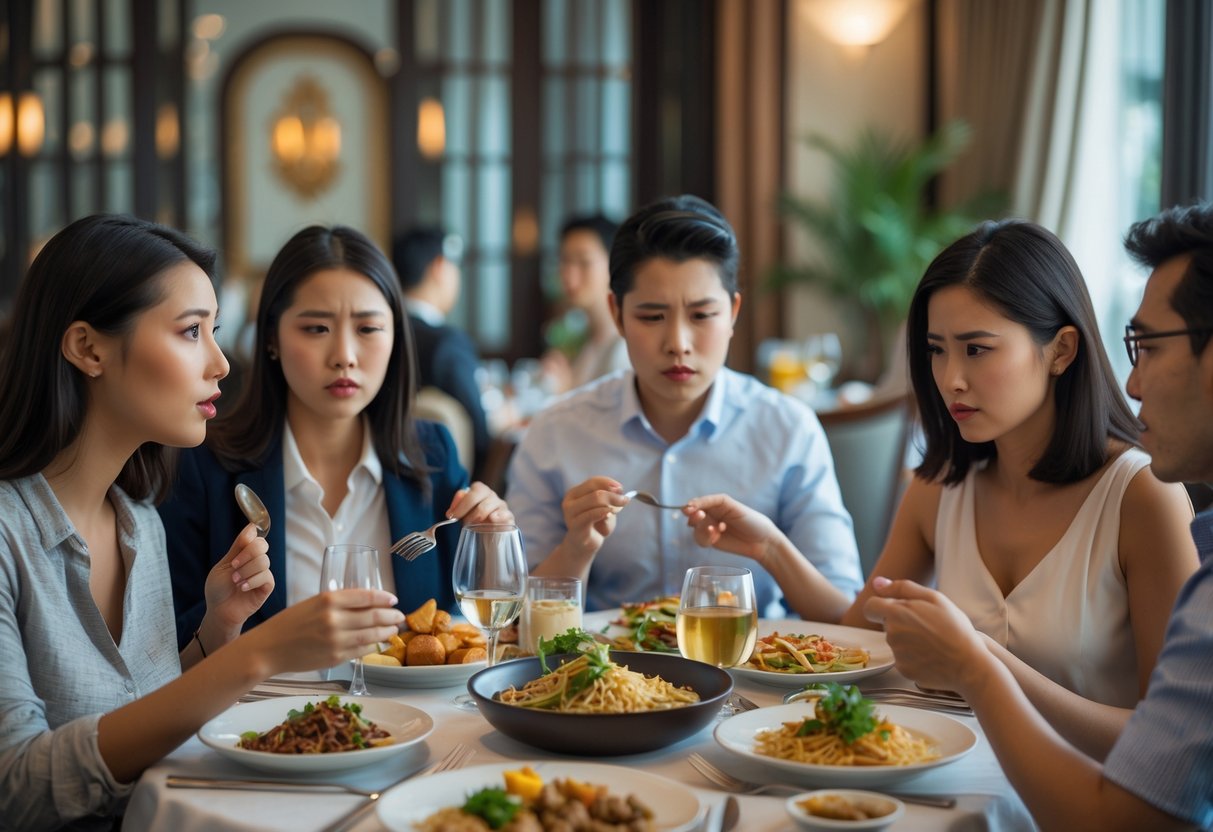
When dining abroad, certain habits can unintentionally cause tension or confusion. Understanding local customs related to tipping, language, and meal pacing helps you avoid awkward moments and makes your experience smoother.
Tipping Confusion or Over-Tipping
Tipping customs vary widely. In the U.S., you might be used to leaving 15-20%, but in many countries, tipping is minimal or included in the bill. Over-tipping can sometimes be seen as rude or confusing.
Always check if a service charge is already added before handing money to the waiter. In places like Japan or South Korea, tipping can even be considered insulting. When in doubt, look up the local custom or ask a local for guidance.
Assuming English Is Spoken Everywhere
Assuming everyone speaks English can lead to frustration for you and the staff. Many locals in popular tourist spots do speak some English, but it’s rarely perfect or universal.
Learning a few basic phrases in the local language, like “please,” “thank you,” or “excuse me,” shows respect. It also encourages friendlier interactions and better service. Plus, it can prevent miscommunications when ordering or asking for recommendations.
Rushing Through Meals
In the U.S., dining out is often quick, but many cultures view meals as a time to relax and socialize. If you rush, it can come across as disrespectful or rude.
Sit back and enjoy the pace. Take your time ordering multiple courses, savor dishes, and engage with your companions and servers. This not only gives you a better cultural experience but also avoids annoying locals who see dining as more than just eating.

As a mom of three busy boys, I know how chaotic life can get — but I’ve learned that it’s possible to create a beautiful, cozy home even with kids running around. That’s why I started Cultivated Comfort — to share practical tips, simple systems, and a little encouragement for parents like me who want to make their home feel warm, inviting, and effortlessly stylish. Whether it’s managing toy chaos, streamlining everyday routines, or finding little moments of calm, I’m here to help you simplify your space and create a sense of comfort.
But home is just part of the story. I’m also passionate about seeing the world and creating beautiful meals to share with the people I love. Through Cultivated Comfort, I share my journey of balancing motherhood with building a home that feels rich and peaceful — and finding joy in exploring new places and flavors along the way.