
Hinge’s own research team found that profiles featuring a Voice Prompt are 32% more likely to lead to an actual date. That’s not a marginal edge. That’s nearly a third more conversion, on the platform that built its entire pitch around getting people offline, and it means a feature most daters treat as optional, or skip outright, is quietly outperforming the bullet-pointed, achievement-heavy bios so many people still default to. If your profile currently reads like a resume, the data says that’s exactly the problem.
The Resume Approach Is Backfiring
For years, the conventional dating-app wisdom was to lead with credentials: the job title, the grad school, the marathon time, the travel photos stacked like a highlight reel. None of that is wrong, exactly, but it’s also not what’s converting matches into dates anymore. A written bio, no matter how polished, still leaves a match guessing at tone, warmth and whether you’re actually fun to talk to. A 32% jump in date conversion for Voice Prompts suggests people aren’t looking for more information. They’re looking for proof of personality, and text alone can’t fully deliver it.
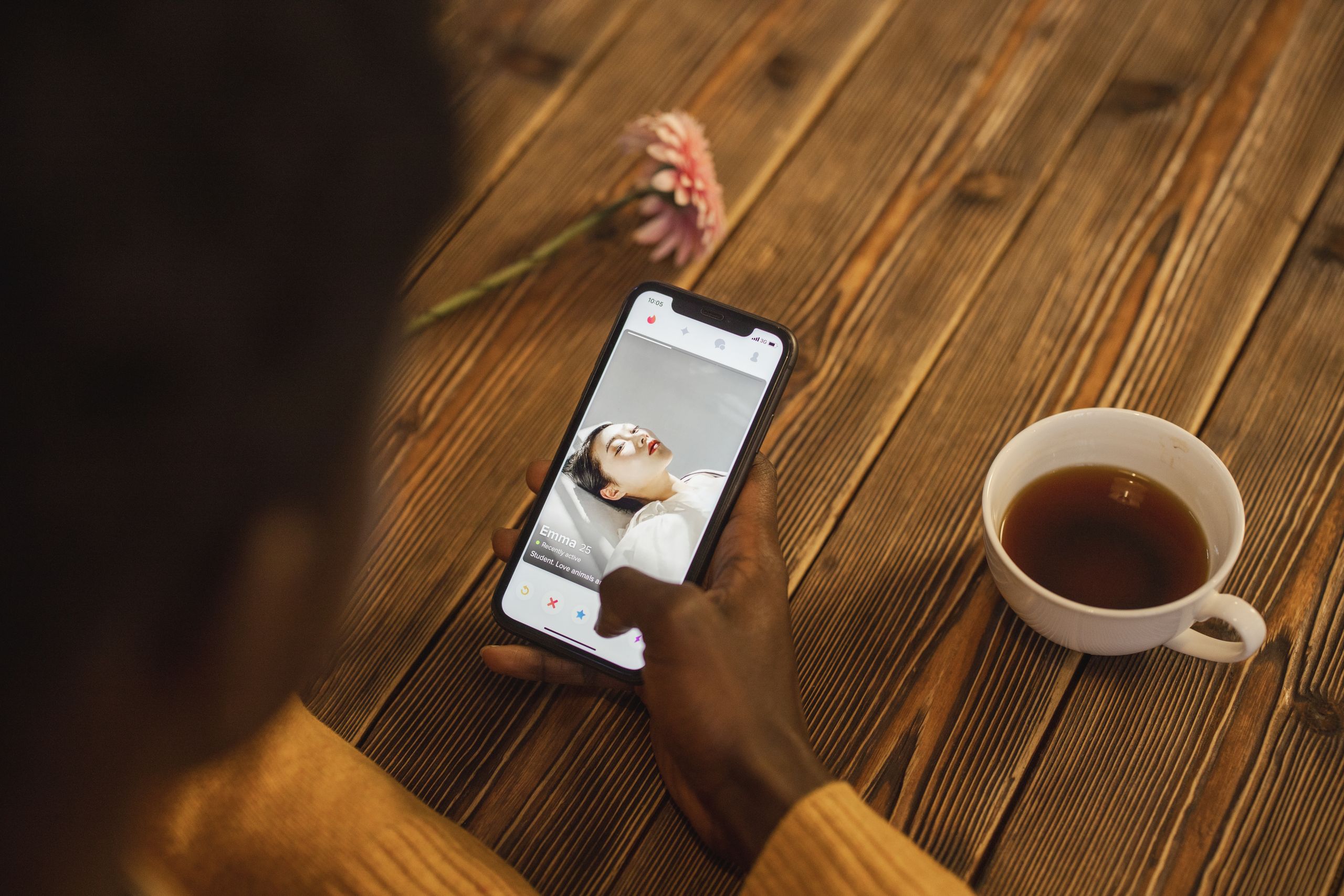 photo credit: unsplash
It’s Not Just a Niche Preference
This isn’t a fringe habit among a small slice of users, either. Hinge found that 35% of Gen Z daters specifically want to receive more Voice Notes from the people they’re already talking to, according to the same “10 Lessons in Love” report. That’s a meaningful share of the platform’s youngest, most active users saying, unprompted, that they want more voice in the conversation, not less.
Put those two numbers together and a pattern emerges. Voice isn’t a gimmick tacked onto a profile. It’s functioning as a shortcut through the awkward, low-information early stage of matching, the stretch where most conversations quietly die before anyone suggests meeting up.
Why a 15-Second Clip Beats a Perfect Paragraph
The same Hinge research found that 85% of people are more likely to want a second date when they’re asked thoughtful questions on the first one, and that 44% of daters said genuine enthusiasm is the single most attractive quality in a match. Both findings point to the same underlying thing a voice clip communicates almost instantly: warmth, curiosity and effort, none of which come through cleanly in a carefully edited paragraph. A written prompt answer can be revised a dozen times before it’s posted. A voice note captures an actual tone of voice, an actual laugh, an actual person, in a way editing tends to strip out of text.
That’s likely why the format converts better even though it’s objectively riskier. You can’t polish a voice clip into something safely generic the way you can smooth out a bio. It shows up a little rougher and a little more real, and daters seem to respond to that trade specifically.
What This Means for Your Profile
If you’ve been treating your dating profile as a document to get exactly right before you hit publish, the data suggests you’re optimizing the wrong thing. A flawless list of prompts and photos signals effort in the same way a flawless resume does: competent, but not particularly warm. Recording even one Voice Prompt, something short and unscripted, gives a match something a paragraph can’t: your actual voice, your actual laugh, a sense of what a conversation with you would actually feel like.
You don’t need a script or a studio mic. You need thirty seconds of you sounding like yourself, answering a prompt the way you’d actually answer it out loud to a friend. Given that Hinge’s own numbers put the format nearly a third ahead of text-only profiles in getting to an actual date, skipping it is starting to look less like caution and more like leaving a real advantage on the table.
The written profile isn’t dead, but it’s stopped being the whole pitch. Increasingly, the thing that gets you to the date is the thing that can’t be edited into something safer.