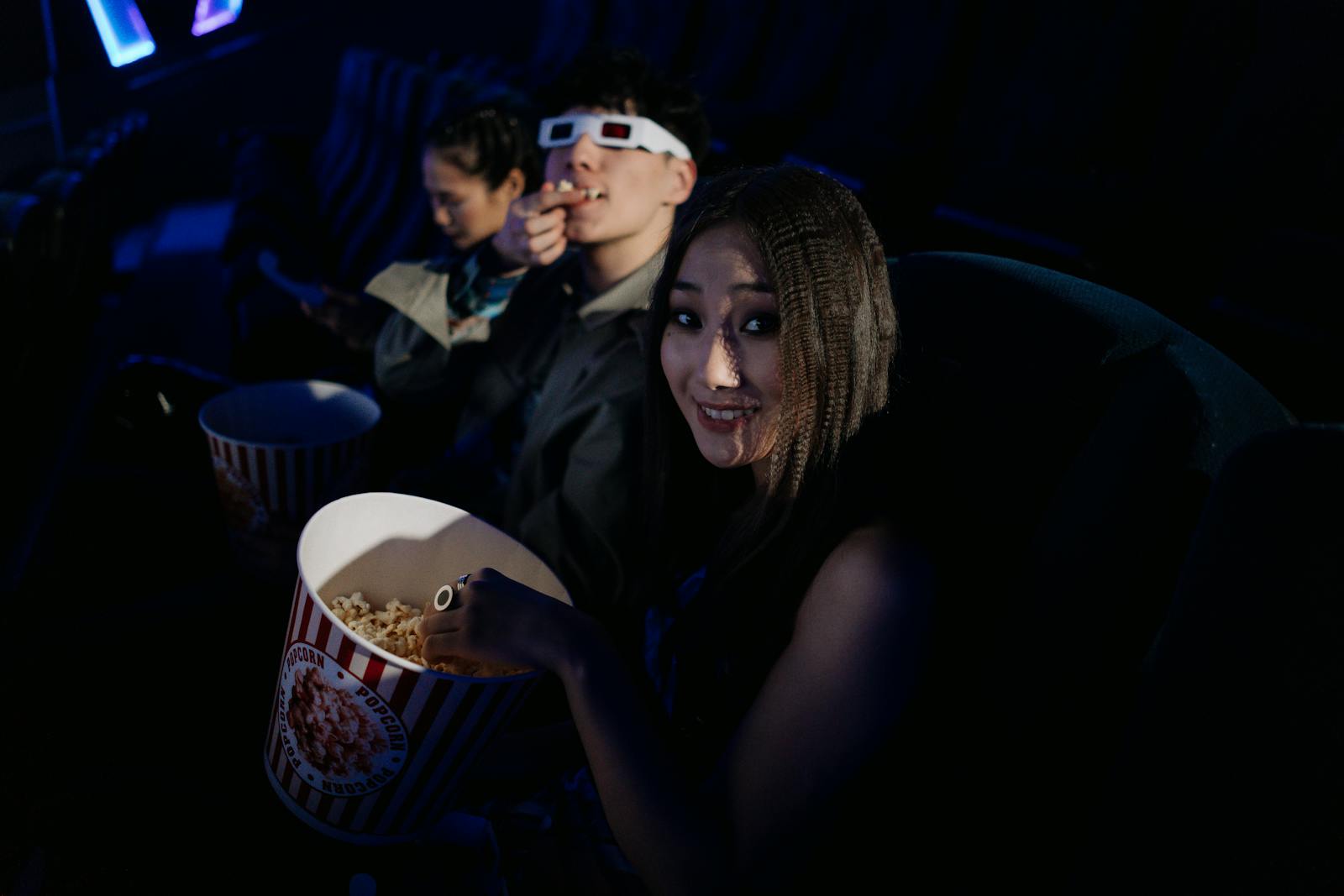
Some public conflicts feel almost unbelievable at first, but the more you sit with them, the more they tap into something very real about how shared spaces work. There is always an unspoken balance between personal needs and collective expectations, and when that balance is disrupted, things can escalate quickly. That tension is exactly what made this story spread so widely.
On the surface, it is about something incredibly ordinary, eating popcorn in a movie theater, which is practically part of the experience itself. But the situation quickly shifted into something much more uncomfortable, involving sensory sensitivities, personal boundaries, and a stranger whose behavior crossed from unusual into invasive. By the end, the discussion was no longer about popcorn at all, but about what people can reasonably expect from others in public spaces.
When a Normal Night Starts to Feel Off
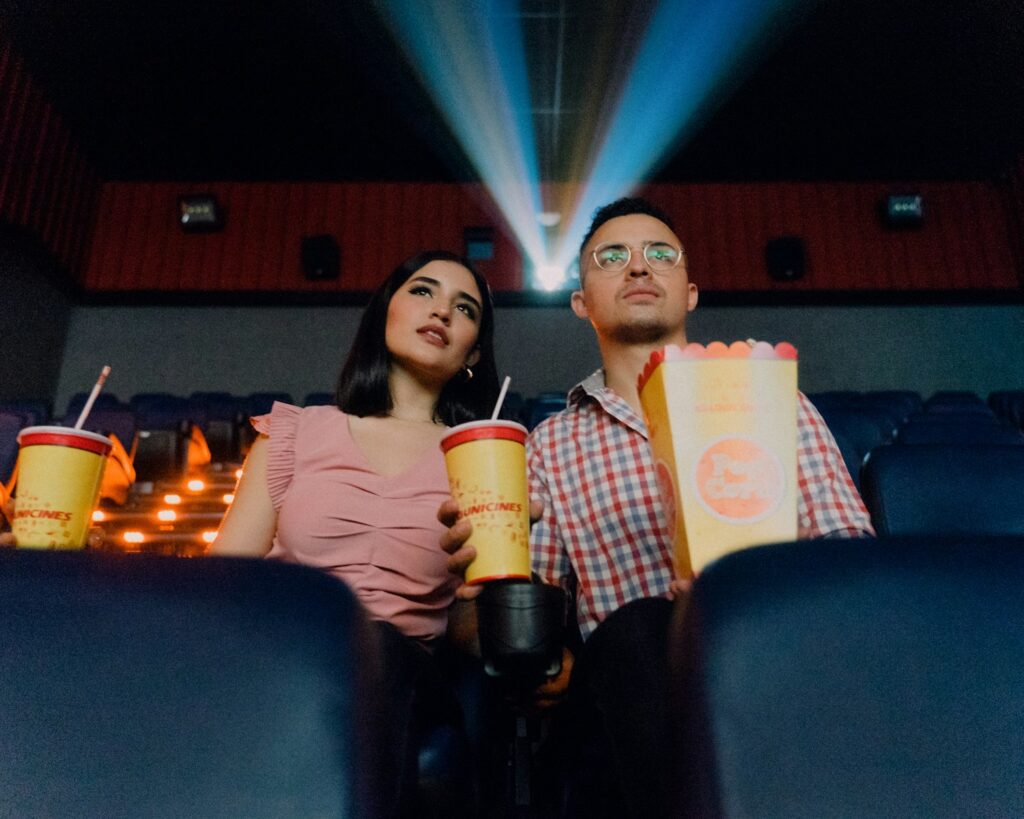
The evening began like any typical movie outing, with a couple settling into their seats and preparing to enjoy the film. They had their snacks, including popcorn, and were simply following the routine most people associate with going to the movies. Nothing about the environment felt unusual at first.
Then, halfway through the movie, something shifted. A man appeared and stood on the stairs right next to their seats, not moving or searching for a place to sit, but lingering in a way that felt out of place. He remained there for several minutes, creating a sense of unease without saying anything.
That kind of behavior is not typical in a theater setting, where movement is usually quick and purposeful. The longer he stayed, the more noticeable it became, and it was clear that something about the situation was not right. Still, at that point, there was no direct interaction, just an uncomfortable presence.
A Request That Crossed Into Something Else
The situation escalated when the moviegoer reached for popcorn and the man stepped closer to address them. He told them to stop eating so loudly, explaining that his autistic daughter was sensitive to the sound and that it was bothering her. On the surface, the concern itself was understandable, as sensory sensitivities are very real for many people.
However, the setting made the request feel complicated. A movie theater is not a quiet environment, and the sound of popcorn, wrappers, and drinks is part of the shared experience. Asking someone to stop engaging in something so expected immediately shifted the dynamic.
What made the moment more uncomfortable was how the man delivered the request. Instead of speaking from a respectful distance, he leaned over the fiancé, invading their personal space in a way that felt intrusive and unsettling. The mention of alcohol only added to the tension, making his presence feel unpredictable.
When Boundaries Matter More Than the Request
At that point, the issue stopped being about noise and started being about personal space. The fiancé had a panic response and struggled to fully process what was happening, which heightened the intensity of the moment. It was no longer a simple interaction but something that felt overwhelming.
The moviegoer responded by telling the man to step back and stop leaning over her. It was a direct and necessary reaction, given how close and invasive he had become. The man then walked away, clearly upset, but the interaction had already shifted the tone of the experience.
This is where the situation became clearer for many people. Even if the request itself had some basis, the way it was delivered crossed a line. When someone physically intrudes on your space in a way that feels unsafe, the original issue becomes secondary.
The Clash Between Empathy and Reality
One of the reasons this story resonated so strongly is because it sits at the intersection of empathy and limits. Most people agree that sensory sensitivities deserve understanding, especially in situations where certain environments can feel overwhelming. At the same time, there are practical boundaries to what can be expected in public spaces.
A movie theater, by design, is not silent. It includes background noise from snacks, shifting seats, and occasional whispers, all of which are part of the environment people knowingly enter. Expecting that environment to change completely for one individual is where many people felt the situation became unrealistic.
That does not mean the concern itself was invalid, but it does shift where responsibility lies. In many cases, preparation, such as choosing quieter showings or using noise-reducing tools, becomes the more practical solution. That balance is what makes situations like this difficult but also revealing.
The Internet Drew a Clear Line
“Popcorn is literally part of the movie experience.” — PurpleEmotional1401
“If your kid has sensory issues, you plan for it, not control strangers.” — I_C_red_X3
“The moment he leaned over you, it stopped being about noise.” — Scary_Reflection_340
Most reactions strongly supported the moviegoer, with many pointing out how unrealistic it would be to expect people to stop eating popcorn in a theater. Commenters emphasized that certain environments come with built-in expectations, and this was one of the clearest examples. The idea that normal behavior should be adjusted in that setting did not sit well with many readers.
Others focused more on the man’s behavior than the request itself. The invasion of personal space, combined with the lingering presence and the mention of alcohol, made the situation feel uncomfortable in a way that went beyond a simple disagreement. That aspect is what shifted the conversation from inconvenience to boundary violation.
At its core, the story highlighted something simple but important. Public spaces require a balance between consideration and realism, but there are clear lines that should not be crossed. And for most people, that line was not about popcorn, it was about respecting personal space and knowing when a situation has gone too far.
More from Cultivated Comfort: